Your Ultimate Tent Buying Guide: Top Tips Revealed
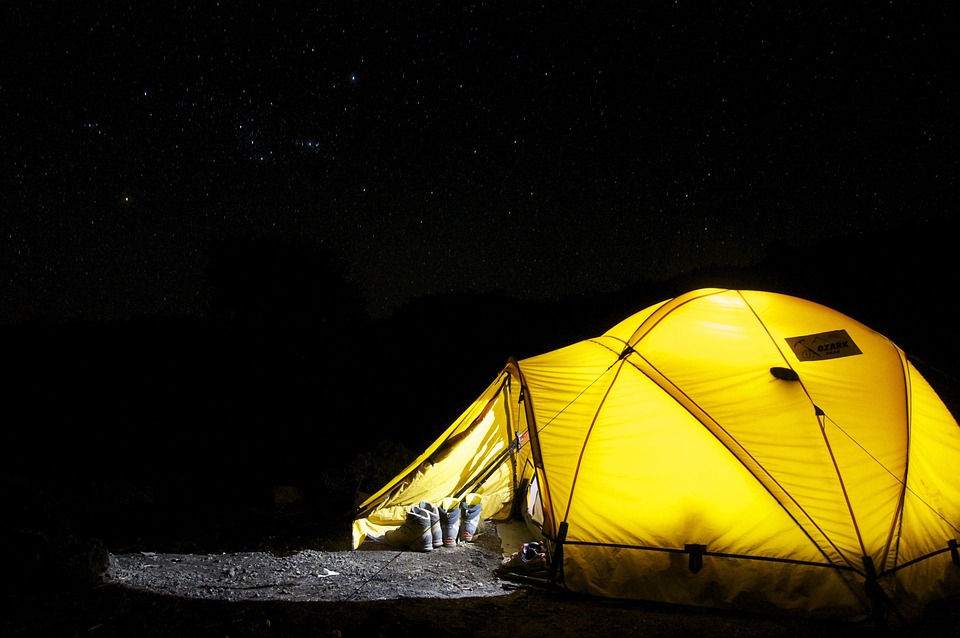
Camping is a delightful way to reconnect with nature, offering a break from the hustle and bustle of everyday life. However, a successful camping trip largely hinges on the right gear, with the tent being one of the most crucial pieces. Selecting the perfect tent can be overwhelming due to the multitude of options available on the market. This guide aims to simplify your tent-buying journey by providing top tips and insights to help you make an informed decision.
Understanding Tent Types
Before diving into the specifics, it’s essential to understand the different types of tents available, as each serves a unique purpose and environment.
Backpacking Tents
Backpacking tents are lightweight and designed for easy transport. They are ideal for those who plan to hike to their campsite, as they can be packed into a compact size and are lighter than traditional camping tents. These tents usually accommodate one to three people and prioritize weight over spaciousness.
Car Camping Tents
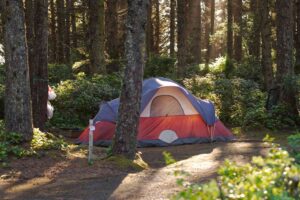
Car camping tents are perfect for those who drive to their campsite. These tents emphasize comfort and space, offering a more home-like experience. With ample room to stand and move around, they often come with multiple rooms and are suitable for families or larger groups.
Four-Season Tents
For adventurers who plan to camp in extreme weather conditions, four-season tents are the go-to choice. Built to withstand heavy snow, strong winds, and cold temperatures, they are robust and feature more poles and a lower profile to enhance stability. However, they are heavier and more expensive than three-season tents.
Pop-Up Tents
Pop-up tents are incredibly user-friendly, requiring minimal setup. They are an excellent choice for first-time campers or those who prefer a hassle-free camping experience. However, they may not offer the same durability and weather protection as more traditional tents.
Factors to Consider When Buying a Tent
Now that you have a grasp of the types of tents available, let’s delve into the critical factors you should consider when selecting a tent.
Capacity
Tent capacity is a vital consideration. Manufacturers often label tents as two-person, four-person, etc., but these ratings can be misleading. A four-person tent may fit four sleeping bags side by side but offer little room for gear or movement. It’s wise to opt for a tent with a higher capacity than the number of campers for added comfort.
Weight
The weight of your tent plays a crucial role, especially if you plan to carry it for long distances. Backpackers should seek lightweight options, while car campers can prioritize space and comfort over weight. Always consider the balance between durability and weight.
Seasonality
Consider the type of weather you’ll encounter during your camping trips. Three-season tents are suitable for spring, summer, and fall, offering adequate ventilation and weather protection. Four-season tents are necessary for winter camping or extreme conditions.
Setup Complexity
The ease of setting up a tent can significantly impact your camping experience. If you value convenience, look for tents with color-coded poles or pop-up designs. Practice setting up your tent at home to ensure a smooth process at the campsite.
Features to Look for in a Tent
Tents come with various features that enhance comfort and usability. Here are some features worth considering:
Vestibules and Awnings
Vestibules are extensions at the front or back of a tent that provide additional storage space for gear, shoes, or cooking equipment. Awnings offer shade and protection from rain, extending your living space beyond the tent’s interior.
Ventilation
Proper ventilation is crucial to prevent condensation inside the tent. Look for tents with mesh panels, windows, and vents that promote airflow, keeping the interior fresh and dry.
Durability
A tent’s durability is determined by the materials used for the fabric, poles, and zippers. High-denier fabrics, aluminum poles, and robust zippers contribute to a longer-lasting tent that withstands wear and tear.
Water Resistance
A tent’s ability to resist rain is paramount. Look for tents with a rainfly, which provides an additional layer of protection against moisture. Sealed seams and a bathtub floor design, where the floor fabric extends a few inches up the tent walls, are also beneficial features.
Budget Considerations
Tents come in a wide price range, from budget-friendly options to premium models. While it’s tempting to go for the cheapest option, remember that a tent is an investment in your comfort and safety. Determine how often you’ll use the tent and under what conditions to balance cost with quality.
Testing and Reviews
Before finalizing your purchase, it’s worthwhile to read reviews and, if possible, test the tent. Online reviews can provide insights into the tent’s performance in real-world scenarios, while testing the tent in-store can give you a feel for its size and ease of setup.
Conclusion
Choosing the right tent requires careful consideration of various factors, from the type and size to specific features and budget constraints. By taking the time to understand your needs and researching your options, you can find a tent that enhances your camping experience, offering shelter and comfort in the great outdoors.
Remember, a tent is more than just a piece of gear; it’s your home away from home. Investing in the right one will ensure countless adventures filled with joy and exploration.






Post Comment