Ultimate Guide to Effortless Camping Planning
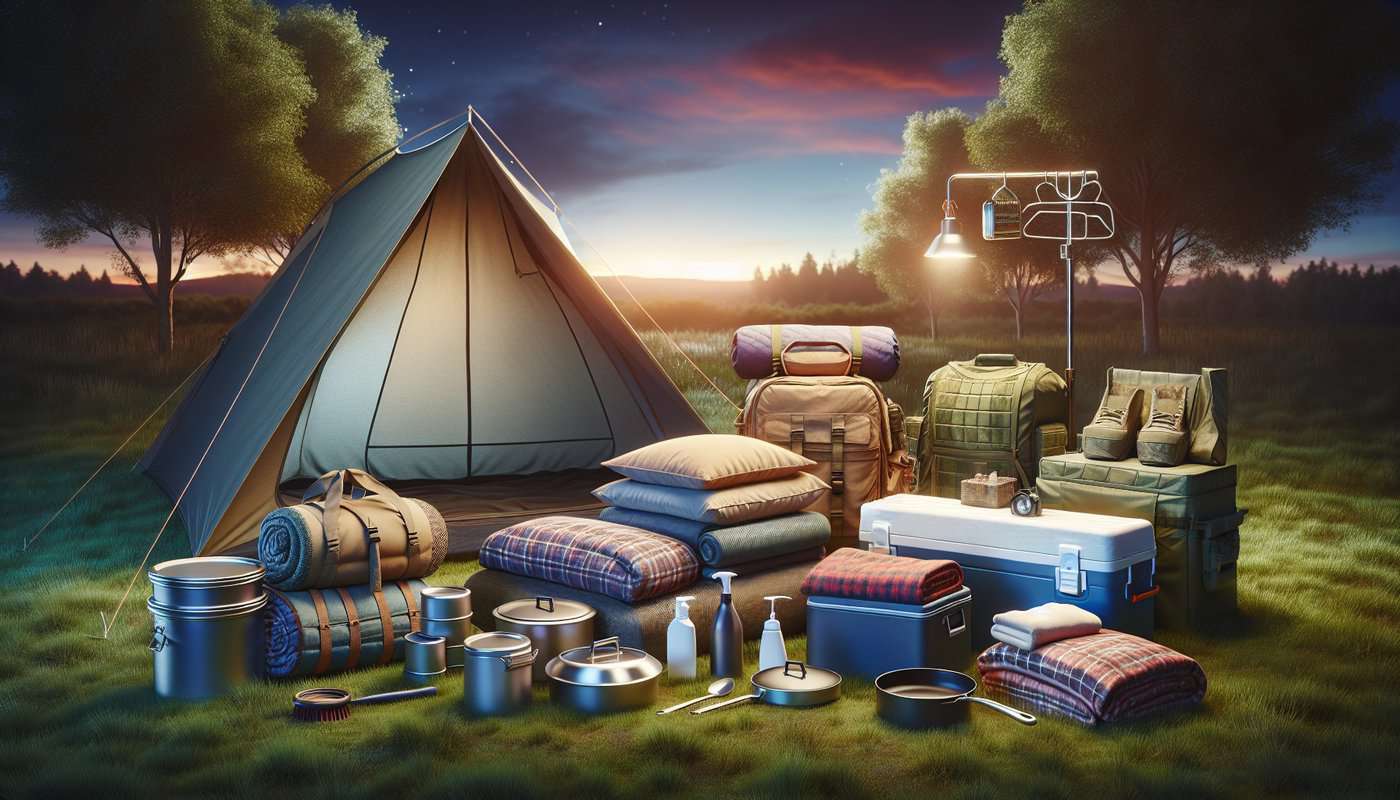
Camping is a wonderful way to escape the hustle and bustle of everyday life, reconnect with nature, and enjoy some quality time with friends and family. For beginners, the idea of planning a camping trip might seem daunting. However, with a little guidance and preparation, you can make the process effortless and enjoyable. This ultimate guide to effortless camping planning will walk you through the steps to ensure a successful and stress-free camping experience.
Choosing the Perfect Campsite
The first step in planning a camping trip is selecting the right campsite. Consider what type of camping experience you want. Are you looking for a rugged backcountry adventure or a more leisurely stay at a campground with amenities? Research potential sites online, read reviews, and check availability, especially during peak seasons.
Types of Campsites
- National and State Parks: These offer a variety of camping experiences and often have well-maintained facilities and stunning natural surroundings.
- Private Campgrounds: These can offer more amenities like showers, electricity, and even Wi-Fi, which can be especially appealing for beginners.
- Backcountry Camping: For the more adventurous, this involves hiking into remote areas and setting up camp away from established sites.
Essential Camping Gear
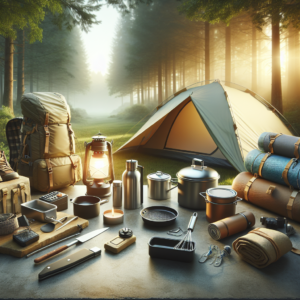
Once your campsite is chosen, it’s time to gather the necessary gear. As a beginner, focus on the essentials to ensure comfort and safety.
Camping Shelter
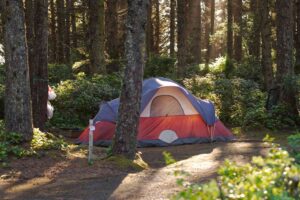
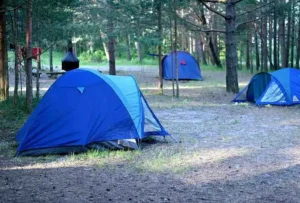
- Tent: Choose a tent that fits your group size and offers adequate protection from the elements. Consider ease of setup and weight if you plan to hike.
- Sleeping Bags: Select a sleeping bag rated for the temperatures you expect to encounter. Mummy bags are great for cooler conditions, while rectangular bags are more spacious for warmer climates.
- Sleeping Pads or Air Mattresses: These provide insulation and comfort from the hard ground.
Cooking Equipment
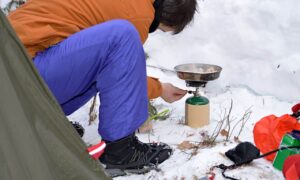
- Portable Stove: A compact camping stove allows you to cook meals easily. Don’t forget fuel and a lighter or matches.
- Cookware: Bring lightweight pots, pans, and utensils suitable for outdoor cooking.
- Cooler: For perishable food items, a cooler with ice packs will keep things fresh.
Clothing and Personal Items
- Layered Clothing: Weather can change rapidly, so pack clothing that can be layered. Include waterproof and windproof options.
- Hiking Boots: Comfortable, sturdy footwear is essential for exploring the great outdoors.
- Personal Hygiene Items: Don’t forget biodegradable soap, a toothbrush, and other necessities.
Meal Planning and Preparation
Planning your meals in advance will make your camping trip more enjoyable and stress-free. Consider simple recipes that require minimal preparation and cleanup.
Plan Your Menu
- Consider meals that can be prepped at home, such as marinated meats or pre-chopped vegetables.
- Bring non-perishable snacks like nuts, granola bars, and dried fruits for quick energy boosts.
Cooking Tips
- Test your camping stove at home to ensure you know how to operate it before your trip.
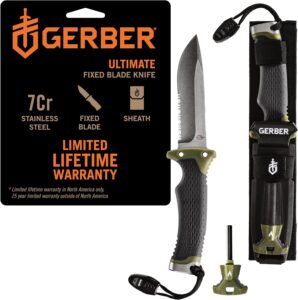
- Pack a small cutting board and knife for meal preparation.
- Opt for one-pot meals to minimize dishes.
Safety and First Aid
Safety is a top priority while camping. Prepare for emergencies and know the basics of first aid.
Essential Safety Tips
- Inform someone of your camping plans, including your expected return date.
- Pack a first aid kit with essentials like bandages, antiseptic wipes, and pain relievers.
- Learn how to identify and avoid local wildlife hazards.
Emergency Preparedness
- Carry a map and compass, even if you have a GPS device.
- Know the location of the nearest emergency services and how to reach them.
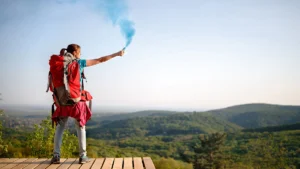
- Bring a whistle and a flashlight with extra batteries for signaling and visibility.
Leave No Trace Principles
Respect for nature is crucial when camping. Follow Leave No Trace principles to minimize your impact on the environment.
Principles to Follow
- Plan Ahead and Prepare: Know the regulations and special concerns for the area you’ll visit.
- Travel and Camp on Durable Surfaces: Stick to established trails and campsites.
- Dispose of Waste Properly: Pack out all trash and waste, including food scraps.
- Leave What You Find: Do not disturb natural or cultural artifacts.
- Minimize Campfire Impact: Use a camp stove for cooking and follow guidelines for campfires.
- Respect Wildlife: Observe from a distance and do not feed animals.
- Be Considerate of Other Visitors: Keep noise levels down and respect others’ experiences.
Entertainment and Activities
While the beauty of nature is captivating, it’s always a good idea to have a few planned activities to enjoy during your camping trip.
Outdoor Activities
- Hiking: Explore nearby trails and enjoy the scenery.
- Fishing: If you’re near a lake or river, fishing can be a relaxing pastime.
- Stargazing: Clear skies away from city lights offer incredible views of the stars.
Group Games
- Bring a deck of cards or a board game for evening entertainment.
- Organize a scavenger hunt for kids (and kids at heart).
Conclusion
Camping is a rewarding experience that allows you to connect with nature and create lasting memories. By following this ultimate guide to effortless camping planning, you’ll be well-prepared for a successful trip. Remember to choose the right campsite, pack essential gear, plan your meals, prioritize safety, and respect the environment. With these tips in mind, your camping adventure will be stress-free and full of enjoyment. Happy camping!


Post Comment