Ultimate Guide to Choosing the Perfect Camping Backpack
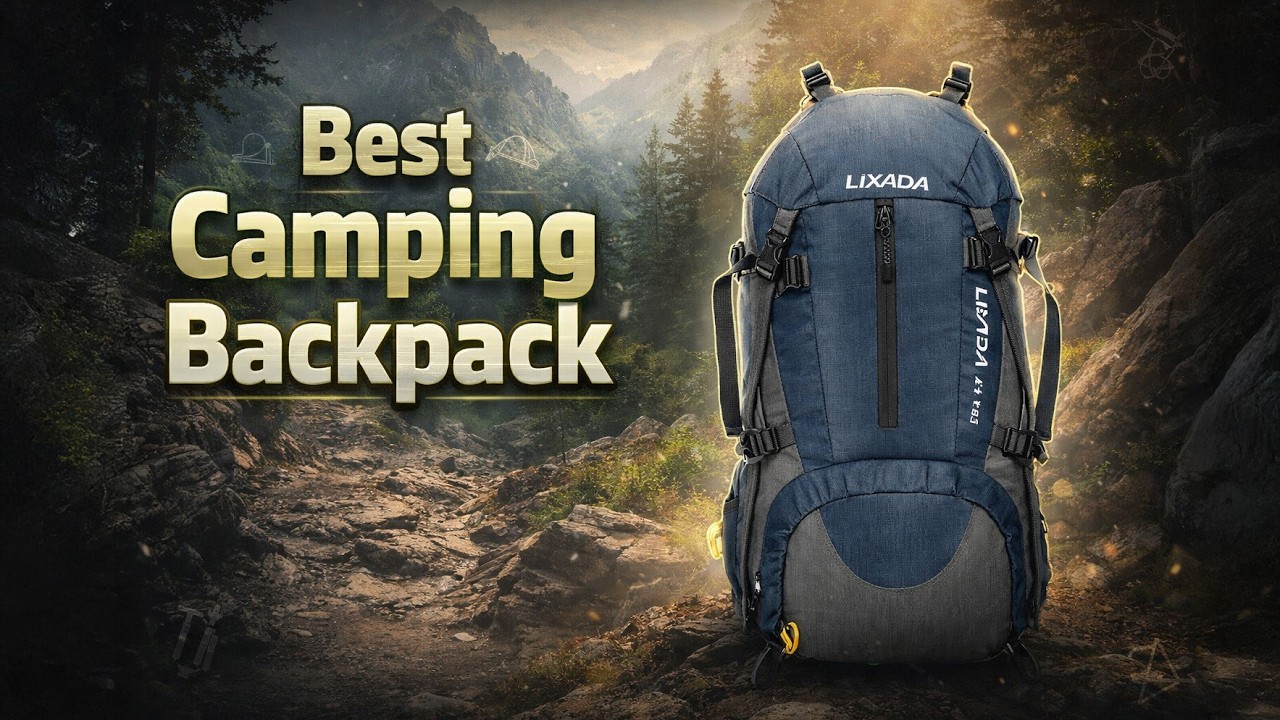
Choosing the right camping backpack is a crucial step in ensuring a successful outdoor adventure. With a myriad of options available, it can be overwhelming to find the one that best suits your needs. This guide will walk you through the essential factors to consider, helping you select the perfect backpack for your next camping trip.
Understanding Backpack Types
The type of backpack you choose depends significantly on the kind of camping you plan to do. Here are the primary types of camping backpacks:
Daypacks
Daypacks are suitable for short hikes or day trips. They are lightweight and designed to carry only the essentials, such as water, snacks, a map, and a first-aid kit. Daypacks typically have a capacity of 15 to 35 liters.
Weekend Backpacks
Weekend backpacks are ideal for trips lasting two to three days. They offer a capacity of 30 to 50 liters, providing enough space for clothing, a sleeping bag, and a small tent. These backpacks usually have additional compartments for better organization.
Multi-Day Backpacks
For trips ranging from three to five days, a multi-day backpack is recommended. These backpacks have a capacity of 50 to 70 liters and are designed to accommodate more gear, including food, a larger tent, and extra clothing.
Expedition Backpacks
Expedition backpacks are intended for extended trips and expeditions lasting more than a week. With a capacity exceeding 70 liters, they can carry heavy loads and are equipped with numerous features for rugged adventures.
Capacity and Size Considerations
The right backpack capacity depends on the duration of your trip and the amount of gear you intend to bring. Here are some capacity guidelines:
- 15-35 liters: Ideal for day hikes and short trips.
- 30-50 liters: Suitable for weekend trips.
- 50-70 liters: Best for multi-day hikes.
- 70+ liters: Necessary for extended trips or expeditions.
Additionally, consider the size and fit of the backpack. A well-fitting backpack should align with your torso length and hip size, providing comfort and stability. Many backpacks come in different sizes, so be sure to check the manufacturer’s sizing guide.
Backpack Features to Look For
Modern camping backpacks come with a variety of features that enhance comfort and functionality. Here are some key features to consider:
Frame Type
Backpacks typically come with internal or external frames. Internal frames offer better balance and are more compact, making them suitable for rugged terrain. External frames provide better ventilation and are ideal for carrying heavy loads on well-maintained trails.
Ventilation
Look for backpacks with a ventilation system that keeps your back cool and dry during hikes. Mesh panels and strategically placed vents can significantly enhance airflow.
Compartments and Pockets
Multiple compartments and pockets help organize your gear efficiently. Consider backpacks with dedicated compartments for sleeping bags, hydration reservoirs, and quick-access pockets for essentials like snacks and maps.
Padding and Straps
Comfort is paramount, especially during long hikes. Ensure the backpack has ample padding on the shoulder straps, hip belt, and back panel. Adjustable straps allow for a customized fit, distributing weight evenly.
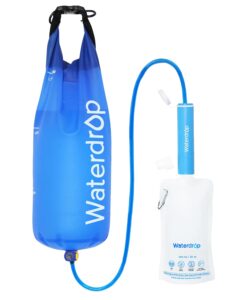
Hydration Compatibility
Many backpacks are designed to accommodate hydration systems, featuring a dedicated sleeve and hose routing. This feature is essential for staying hydrated on the go.
Material and Durability
The material of your backpack determines its durability and weather resistance. Common materials include nylon, polyester, and canvas. Look for backpacks with reinforced stitching and water-resistant coatings to withstand harsh outdoor conditions.
Weight Considerations
The weight of the backpack itself is a crucial factor, especially for long-distance hikes. Lightweight backpacks reduce overall load and enhance mobility. However, ensure that the backpack is still sturdy and capable of carrying your gear comfortably.
Try Before You Buy
Whenever possible, try on the backpack before purchasing. Load it with weight similar to what you would carry on your trip to assess comfort and fit. Walk around the store and make any necessary adjustments to the straps and harness.
Budget Considerations
The price range for camping backpacks varies widely. While it’s tempting to opt for the cheapest option, investing in a quality backpack is worthwhile. Consider it an investment in your comfort and safety during outdoor adventures.
Brand Reputation and Reviews
Research different brands and read reviews from other campers. Brands with a strong reputation for quality and durability are often a safe bet. Customer reviews provide insights into real-world performance and potential issues.
Environmental Impact
If environmental sustainability is important to you, look for brands that prioritize eco-friendly practices. Some companies use recycled materials or adhere to environmentally conscious manufacturing processes.
Maintenance and Care
Proper maintenance extends the life of your backpack. Follow the manufacturer’s care instructions, clean the backpack regularly, and store it in a dry, cool place when not in use. Inspect for any signs of wear and tear, and address them promptly.
Conclusion
Choosing the perfect camping backpack involves careful consideration of your specific needs, trip duration, and personal preferences. By understanding the different types, features, and materials available, you can make an informed decision and enjoy a comfortable and successful camping experience. Remember, a well-chosen backpack can make all the difference in your outdoor adventures.
#ChatGPT assisted in the creation of this article.






Post Comment