Ultimate Guide: National Park Camping for Adventurers
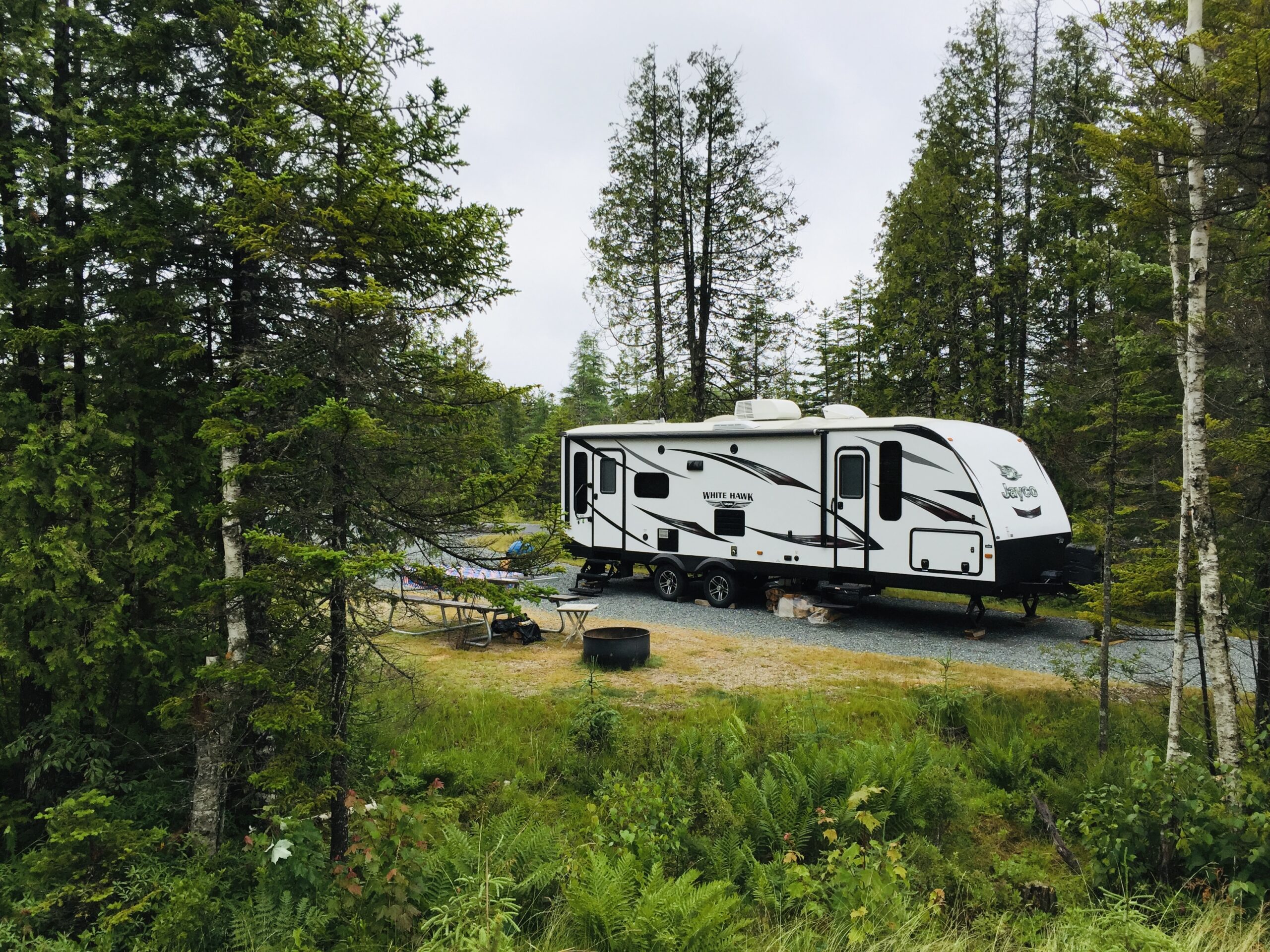
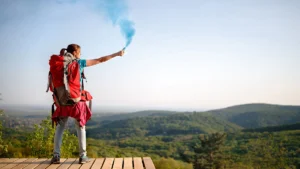
National parks offer some of the most breathtaking landscapes and diverse ecosystems in the world, making them ideal destinations for camping enthusiasts. From the towering peaks of the Rockies to the sun-drenched deserts of the Southwest, these protected areas provide unparalleled opportunities for adventure and exploration. Whether you’re a seasoned camper or a first-time adventurer, national park camping offers experiences that are both thrilling and tranquil, allowing you to reconnect with nature in its purest form.
Why Choose National Parks for Camping?
National parks are perfect for camping due to their stunning natural beauty, well-maintained facilities, and variety of activities. Here are some compelling reasons to consider national parks for your next camping trip:
- Diverse Landscapes: National parks offer a wide range of ecosystems, from lush forests and rugged mountains to pristine lakes and arid deserts, providing endless exploration opportunities.
- Wildlife Viewing: National parks are sanctuaries for wildlife, where you can observe animals in their natural habitats, from bison and bears to eagles and elk.
- Recreational Activities: Parks provide ample opportunities for hiking, fishing, kayaking, bird-watching, and more, ensuring there’s something for everyone.
- Conservation and Education: Many parks offer educational programs that highlight the importance of conservation and the natural history of the area.
Planning Your National Park Camping Adventure
Proper planning is essential to make the most of your national park camping experience. Here are some key steps to consider:
Choosing the Right National Park
With over 400 national parks in the United States alone, choosing the right park for your adventure can be daunting. Consider the following factors:
- Location: Select a park within a manageable driving distance or one that aligns with other travel plans.
- Season: Research the best time to visit based on weather conditions and park accessibility.
- Interests: Choose a park that offers the activities and landscapes that interest you most, whether it’s mountain climbing, wildlife viewing, or stargazing.
Reservation and Permits
Many popular national parks require advance reservations and permits for camping. Here’s what you need to know:
- Reservations: Book your campsite as early as possible, especially during peak seasons. Visit the park’s official website or Recreation.gov for availability.
- Permits: Some parks require permits for backcountry camping, hiking, or other activities. Check the park’s regulations and obtain necessary permits in advance.
Packing Essentials
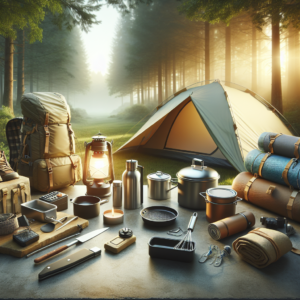
Packing the right gear is crucial for a successful camping trip. Here’s a checklist of essential items:
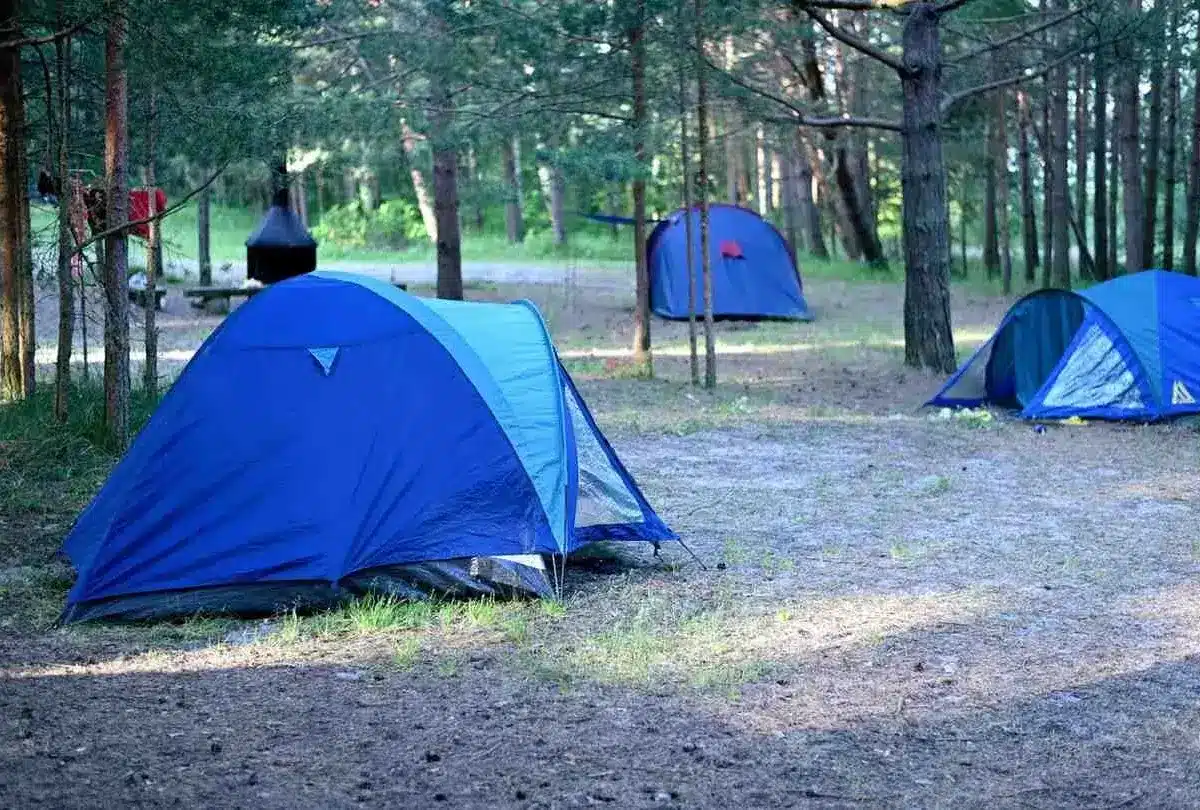
- Shelter: Tent, ground tarp, sleeping bag, and camping pillow.
- Clothing: Weather-appropriate clothing, including layers, rain gear, and sturdy hiking boots.
- Cooking Supplies: Portable stove, fuel, cooking utensils, and food.
- Safety Gear: First aid kit, map, compass, and multi-tool.
- Personal Items: Toiletries, sunscreen, insect repellent, and reusable water bottle.
Top National Parks for Adventurous Camping
While all national parks offer unique experiences, some stand out for their adventurous camping opportunities. Here are a few top picks:
Yosemite National Park, California
Known for its stunning granite cliffs, waterfalls, and giant sequoias, Yosemite is a paradise for rock climbers and hikers. Popular camping areas include Tuolumne Meadows and the backcountry wilderness.
Glacier National Park, Montana
With over 700 miles of trails, Glacier National Park is ideal for backcountry camping and hiking. The park’s rugged terrain and pristine lakes offer a true wilderness experience.
Zion National Park, Utah
Zion’s dramatic red rock formations and slot canyons attract adventurers from around the world. The park offers a range of campsites and opportunities for canyoneering and rock climbing.
Great Smoky Mountains National Park, Tennessee/North Carolina
As America’s most visited national park, the Great Smoky Mountains offer lush forests, diverse wildlife, and over 800 miles of trails. The park provides a variety of camping options, from developed campgrounds to remote backcountry sites.
Tips for a Safe and Enjoyable Camping Experience
To ensure a memorable and safe adventure, follow these tips:
- Leave No Trace: Practice Leave No Trace principles by cleaning up after yourself and minimizing your impact on the environment.
- Stay Informed: Check weather forecasts and park alerts before your trip to avoid unexpected conditions.
- Wildlife Safety: Keep a safe distance from wildlife, store food properly, and never feed animals.
- Stay Hydrated: Bring plenty of water and know where to find water sources within the park.
- Fire Safety: Follow park regulations regarding campfires and use designated fire pits. Always extinguish fires completely before leaving.
Conclusion
National park camping offers an unparalleled opportunity to immerse yourself in nature’s beauty and embark on thrilling adventures. By choosing the right park, planning ahead, and following safety guidelines, you can create unforgettable memories while respecting the natural environment. Whether you’re scaling a towering peak, exploring a dense forest, or gazing at a starlit sky, national park camping is a timeless adventure that promises to rejuvenate your spirit and deepen your connection with the great outdoors.





Post Comment