Ultimate Beginner’s Guide: Camping for First-Timers
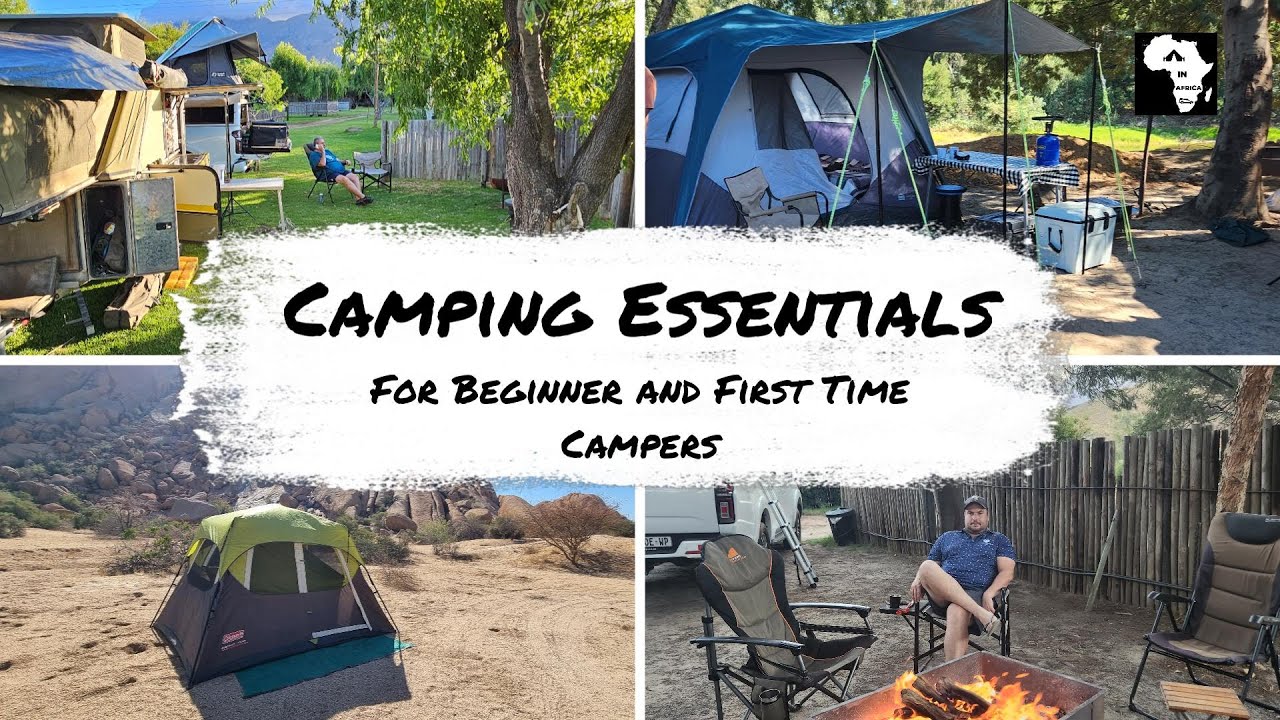
Camping is a timeless outdoor activity that allows individuals to reconnect with nature, find solace away from the hustle and bustle of city life, and create unforgettable memories. However, if you’re new to camping, the idea of spending a night in the wilderness might seem daunting. Fear not! This guide is designed to walk you through every step of your camping journey, ensuring a safe, enjoyable, and memorable experience.
Choosing the Right Campsite
The first step in your camping adventure is selecting the perfect campsite. Consider the following factors:
Location
Decide how far you are willing to travel. There are numerous campsites ranging from local parks to national reserves. Research the area, and choose a location that aligns with your interests, whether it’s hiking, fishing, or simply lounging by a lake.
Facilities
As a beginner, it’s wise to start with a campsite that offers basic amenities such as restrooms, potable water, and picnic tables. Campgrounds with established facilities can make your first camping experience more comfortable and less overwhelming.
Reservations and Permits
Popular campsites often require reservations, especially during peak seasons. Check if you need to book in advance or if any permits are required to camp in the area. Planning ahead can save you from last-minute disappointments.
Essential Gear and Equipment
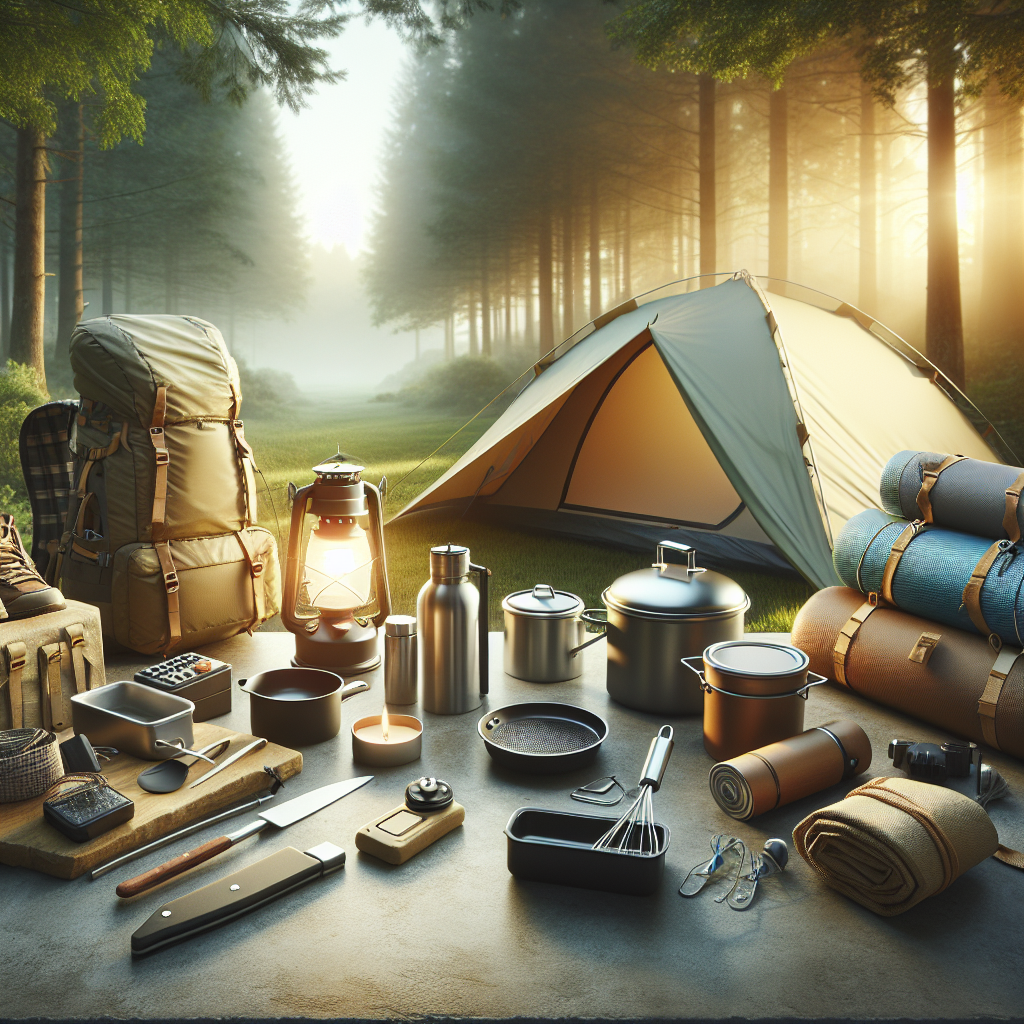
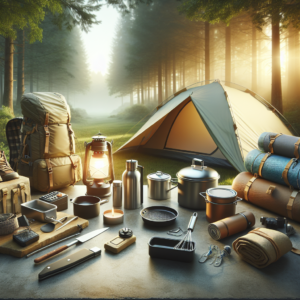
Having the right gear is crucial for a successful camping trip. Here’s a list of must-have items for beginners:
Tent
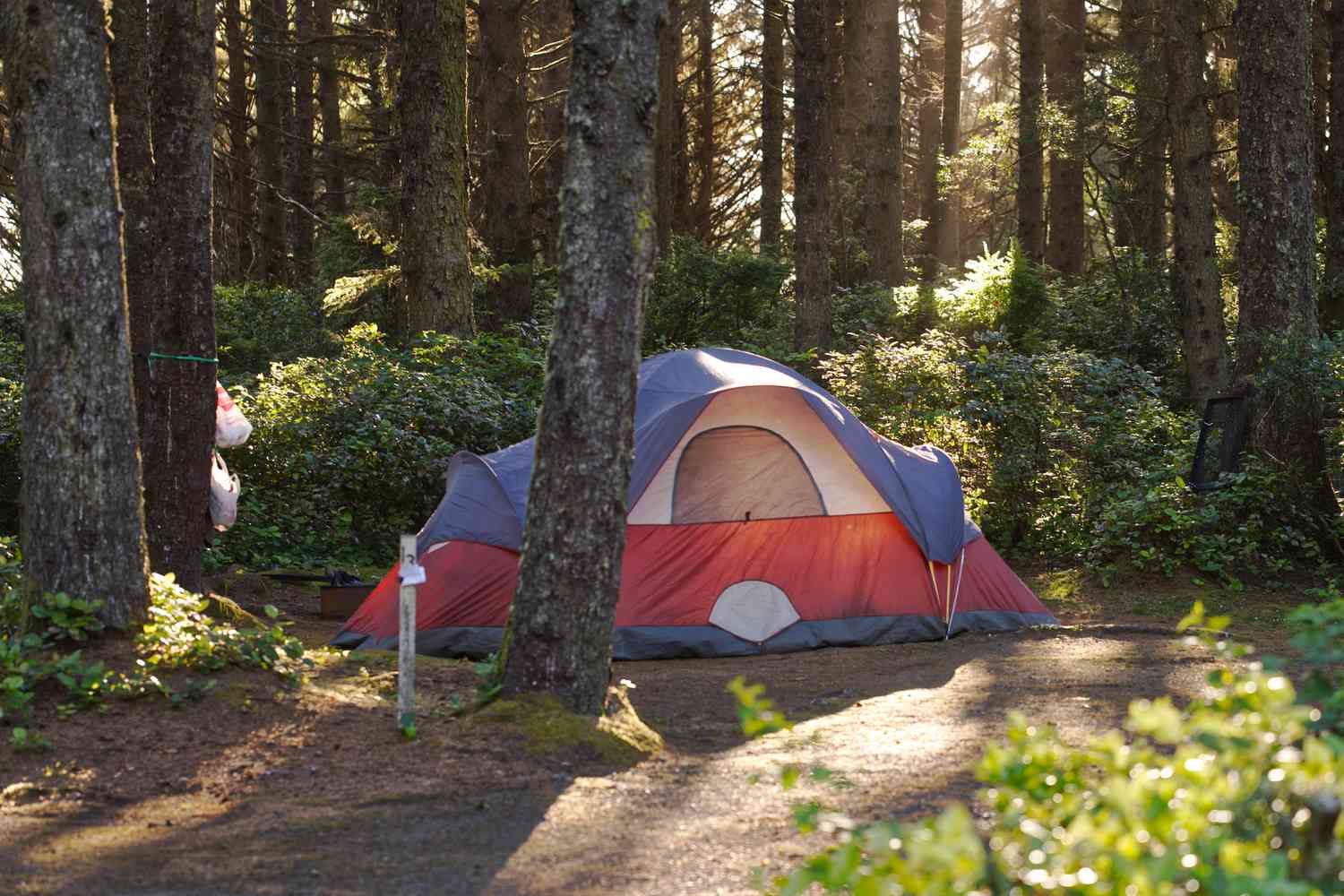
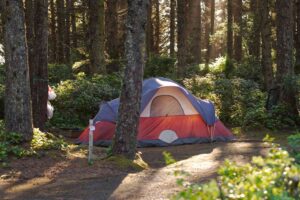
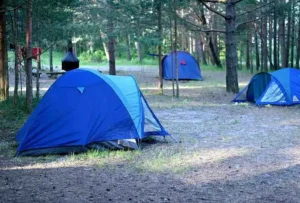
Your tent is your home away from home. Opt for a tent that suits the number of people camping with you and is easy to set up. Practice pitching your tent at home before your trip to avoid any surprises.
Sleeping Bag and Sleeping Pad
Choose a sleeping bag that is appropriate for the season and climate of your campsite. A sleeping pad or inflatable mattress will provide insulation from the cold ground and add comfort to your sleep.
Cooking Supplies
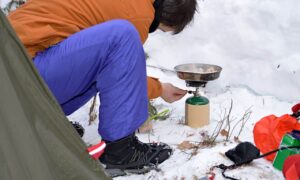
A portable camping stove, fuel, cookware, and utensils are necessary for preparing meals. Don’t forget matches or a lighter, and bring along some non-perishable food items for convenience.
Clothing and Personal Items
Pack clothing suitable for the weather, and remember to layer. A waterproof jacket, sturdy hiking boots, and a hat are essential. Bring personal items like toiletries, a first aid kit, and insect repellent.
Lighting and Navigation
A flashlight or headlamp is vital for navigating your campsite at night. It’s also wise to bring a map and compass or a GPS device if you plan on exploring beyond the campsite.
Setting Up Camp
Once you’ve arrived at your chosen campsite, it’s time to set up camp:
Choose a Campsite
Select a flat, shaded area away from potential hazards like falling branches or nearby water sources that might flood. Avoid setting up directly under trees to minimize the risk of falling debris.
Pitch Your Tent
Follow the instructions that came with your tent and take your time setting it up properly. Ensure it’s anchored securely to withstand wind and rain.
Organize Your Camp
Create distinct areas for cooking, sleeping, and relaxing. Store food securely to prevent attracting wildlife, and keep your campsite tidy to reduce clutter and improve safety.
Campfire Safety and Cooking
Campfires are a quintessential part of the camping experience, but they require caution:
Building a Campfire
Check if campfires are permitted at your site. Use an established fire pit if available, and gather dry wood and kindling. Keep the fire small and manageable, and never leave it unattended.
Cooking Over a Campfire
If cooking over the fire, use a grill grate or skewers. Simple meals like hot dogs and s’mores are beginner-friendly options that are easy to prepare.
Extinguishing the Fire
When you’re done, thoroughly extinguish the fire with water and stir the ashes until they are cool to touch. Never leave a fire smoldering.
Outdoor Etiquette and Safety
Respect for nature and fellow campers is essential:
Leave No Trace
Practice the Leave No Trace principles by minimizing your environmental impact. Pack out all trash, avoid disturbing wildlife, and leave natural objects as you found them.
Wildlife Awareness
Familiarize yourself with local wildlife and how to safely store food and trash. Keep a respectful distance from animals and avoid feeding them.
Weather Preparedness
Monitor the weather forecast and be prepared for sudden changes. Have a plan in place for seeking shelter in case of severe weather conditions.
Activities to Enhance Your Camping Experience
Camping offers a variety of activities to suit all interests:
Hiking
Explore nearby trails and enjoy the natural beauty of the area. Always hike with a partner, carry sufficient water, and let someone know your plans.
Fishing
If your campsite is near a body of water, fishing can be a relaxing way to spend your time. Ensure you have the appropriate fishing license if required.
Stargazing
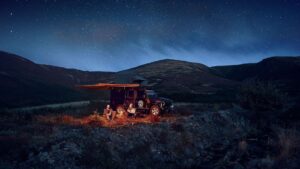
Camping provides a unique opportunity to enjoy the night sky far from city lights. Bring a telescope or simply lie back and enjoy the view.
Final Thoughts
Camping is a rewarding experience that offers a break from the digital world and a chance to reconnect with nature. By following this guide, you’ll be well-prepared for your first camping trip. Remember to plan ahead, respect the environment, and most importantly, have fun. With each trip, you’ll gain confidence and skills, eventually feeling at home in the great outdoors.


Post Comment