Top Overnight Camping Tips for Beginners’ Success
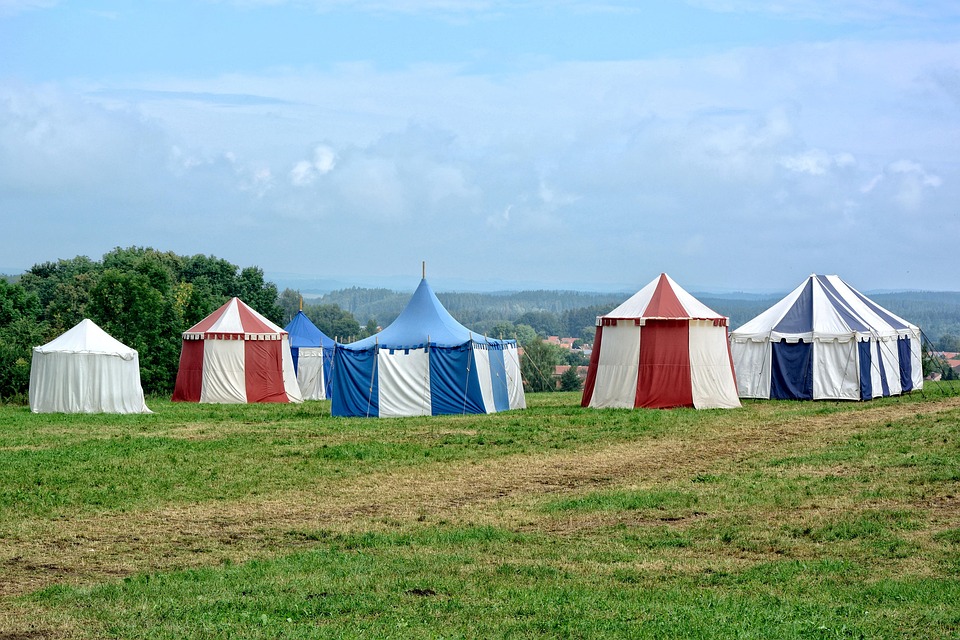
Camping is a wonderful way to escape the hustle and bustle of everyday life and immerse oneself in the tranquility of nature. For beginners, however, the idea of spending a night outdoors can be both exciting and daunting. Without the right preparation and knowledge, a camping trip can quickly turn into a challenging experience. This article aims to provide beginners with essential tips to ensure a successful and enjoyable overnight camping adventure.
Choosing the Right Campsite
The first step in planning a successful camping trip is selecting the perfect campsite. Beginners should opt for a campsite that is easily accessible and offers basic amenities such as restrooms and potable water. State parks and national forests are excellent choices for beginners as they provide well-maintained campsites with clear guidelines and regulations.
Research the Location
Before setting out, research the campsite location. Familiarize yourself with the weather conditions, wildlife, and any potential hazards. Knowing what to expect will help you pack accordingly and ensure your safety.
Reserve in Advance
Popular campsites can fill up quickly, especially during peak seasons. To avoid disappointment, make reservations well in advance. This will also give you peace of mind and allow you to focus on other aspects of your trip.
Essential Gear and Equipment
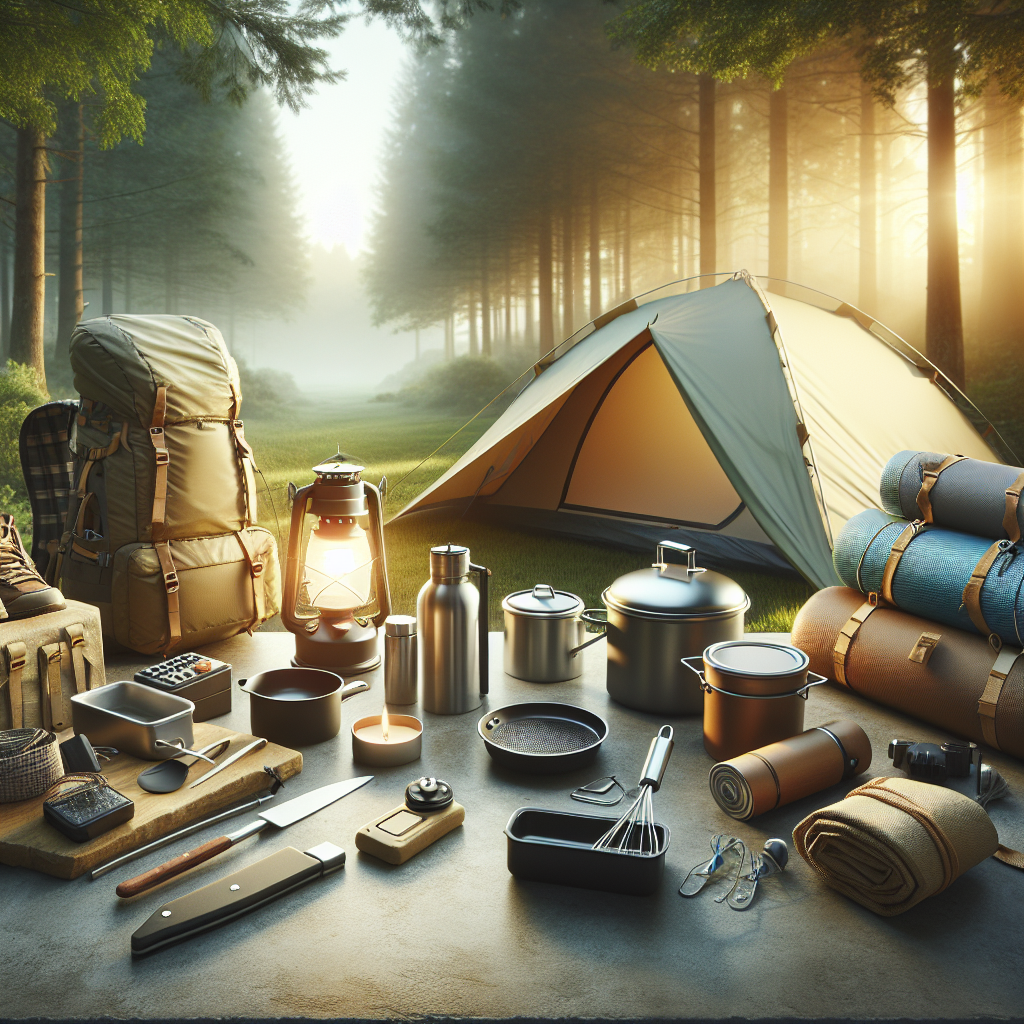
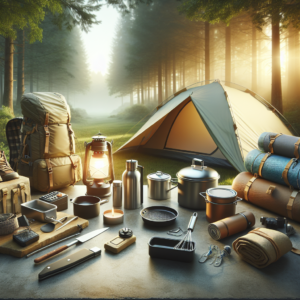
Having the right gear is crucial for a comfortable camping experience. As a beginner, it’s important to invest in high-quality, durable equipment that will withstand various weather conditions.
Tent Selection
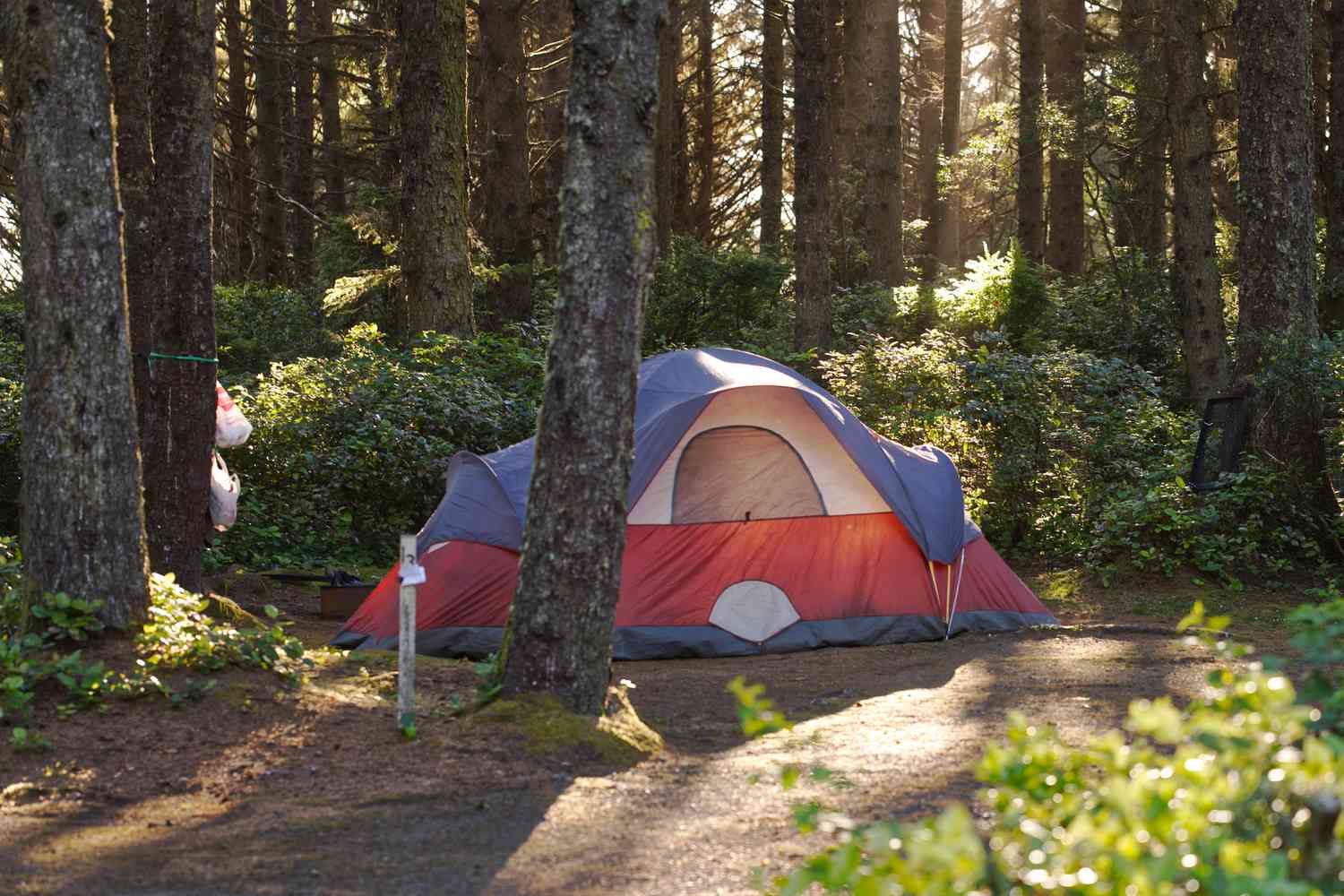
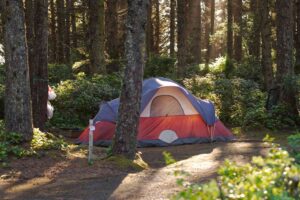
Choose a tent that suits the number of campers and provides adequate space for sleeping and storing gear. Look for a tent that is easy to set up and offers good ventilation. A waterproof tent with a rainfly is essential to keep you dry during unexpected rain showers.
Sleeping Gear
A good night’s sleep is vital for an enjoyable camping trip. Invest in a quality sleeping bag rated for the temperatures you expect to encounter. Additionally, a sleeping pad or inflatable mattress will provide insulation and cushioning from the hard ground.
Cooking Equipment
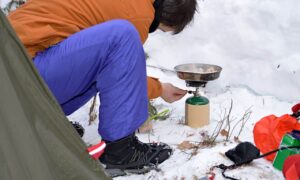
A portable camping stove or a small grill is essential for cooking meals. Don’t forget to pack enough fuel and matches or a lighter. Basic cookware, such as a pot and a pan, along with utensils, will help you prepare simple yet satisfying meals.
Packing Smart
Packing efficiently is key to a successful camping trip. Overpacking can lead to unnecessary weight and clutter, while underpacking might leave you without essential items.
Create a Checklist
Before you start packing, create a checklist of all the items you’ll need. This will ensure you don’t forget anything important. Categories might include camping gear, clothing, food, and personal items.
Layer Your Clothing
Weather conditions can change rapidly, especially in outdoor settings. Pack clothing that can be layered, allowing you to adjust your attire according to the temperature. Include a waterproof jacket and sturdy hiking boots for added protection.
Food and Water
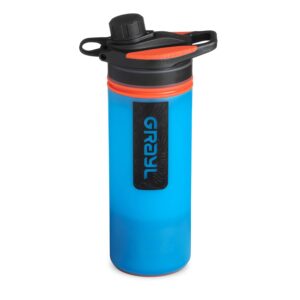
Plan your meals in advance and pack non-perishable foods that are easy to prepare. Always carry more water than you think you’ll need, as staying hydrated is crucial in the outdoors. A portable water filter or purification tablets can be helpful if you run out of clean water.
Setting Up Camp
Once you arrive at your campsite, setting up camp efficiently will set the tone for your entire trip. Take your time to ensure everything is done correctly and safely.
Choose a Level Spot
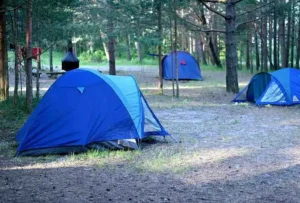
Select a flat, level spot to pitch your tent. Clear away any rocks, sticks, or debris that could damage your tent or make sleeping uncomfortable. Position your tent away from the campfire and cooking area for safety.
Set Up Your Tent
Follow the manufacturer’s instructions to set up your tent. Ensure the rainfly is securely attached and the stakes are firmly in the ground. This will provide stability and protection against wind and rain.
Organize Your Campsite
Keep your campsite organized to prevent accidents and make it easier to find items when needed. Store food and scented items securely to avoid attracting wildlife. Keep a clean campsite to minimize your impact on the environment.
Campfire Safety
A campfire can be a source of warmth, light, and a place to cook, but it also requires caution and respect for safety.
Follow Campfire Regulations
Before starting a fire, check the campsite regulations regarding campfires. Some areas may have fire bans or restrictions due to dry conditions. Always adhere to these rules to prevent wildfires.
Build a Safe Fire
Use an established fire ring if available, or create a safe fire pit by clearing a circle of at least 10 feet in diameter. Keep water and a shovel nearby to extinguish the fire completely before leaving it unattended or going to bed.
Leave No Trace
As a beginner camper, it’s essential to understand and practice the Leave No Trace principles. These guidelines help preserve the natural beauty of the outdoors for future generations.
Pack Out What You Pack In
Take all your trash with you when you leave, including food scraps and biodegradable waste. Use designated waste disposal areas if available, or carry bags to transport waste back home.
Respect Wildlife
Admire wildlife from a distance and never feed animals. Feeding wildlife can alter their natural behaviors and create dependency on human food sources.
Stick to Trails
When hiking or exploring, stick to established trails to minimize your impact on the environment. Avoid trampling vegetation or disturbing natural habitats.
Conclusion
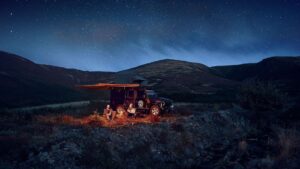
Overnight camping can be a rewarding experience, especially for beginners who take the time to prepare properly. By choosing the right campsite, packing essential gear, and practicing safety and environmental responsibility, novice campers can enjoy a successful and memorable outdoor adventure. Embrace the opportunity to connect with nature, relax, and create lasting memories under the stars.


Post Comment