Top Camping Survival Mistakes to Avoid for Safety

Camping can be a thrilling escape into nature, offering a break from the hustle and bustle of everyday life. However, it also comes with its challenges and potential dangers. To ensure a safe and enjoyable experience, it’s crucial to be aware of common camping survival mistakes and how to avoid them. This article delves into the top camping survival mistakes that could jeopardize your safety and provides tips to help you stay safe during your outdoor adventures.
Failing to Plan and Prepare
Not Checking Weather Conditions
One of the most critical aspects of camping preparation is understanding the weather conditions you will face. Failing to check the weather forecast can lead to unpleasant surprises, such as unexpected storms or temperature drops. Always research the expected weather for your camping destination and pack accordingly. This means bringing weather-appropriate clothing, such as rain gear or warm layers, and preparing for potential changes.
Inadequate Gear and Supplies
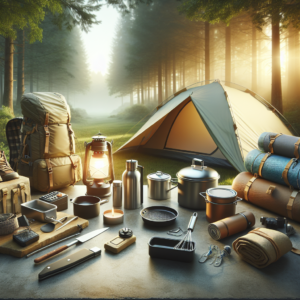
Many campers make the mistake of not bringing the right gear or sufficient supplies. Ensure you have a comprehensive packing list that includes essentials like a reliable tent, sleeping bag, first aid kit, and enough food and water. It’s also important to check your gear before leaving to ensure everything is in working order, from your tent poles to your flashlight batteries.
Poor Site Selection
Choosing the Wrong Campsite
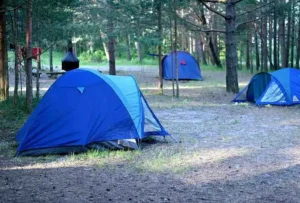
Selecting an inappropriate campsite can lead to a range of issues, from discomfort to danger. Avoid setting up camp in low-lying areas that could flood during rain or near dead trees that could fall. Look for a flat, elevated spot with natural windbreaks, and ensure you’re a safe distance from any bodies of water to avoid unexpected rises in water levels.
Ignoring Fire Safety
Fire is a fundamental part of camping, but it requires caution. Campers often make the mistake of building fires too close to tents or flammable materials. Always clear the area around your fire pit, keep a safe distance from your tent, and never leave a fire unattended. Before leaving your site or going to sleep, ensure the fire is completely extinguished by dousing it with water and stirring the ashes.
Neglecting Food Safety
Improper Food Storage
Wild animals are attracted to the smell of food, and improper storage can lead to dangerous encounters. Always store food in airtight containers and, if possible, use bear-proof canisters. Hang food bags from a tree branch at least 200 feet away from your sleeping area and cooking site to minimize risks.
Inadequate Water Purification
Access to clean water is vital for your health and safety. Never assume that natural water sources are safe to drink. Bring a reliable water purification method, such as a filtration pump, purification tablets, or a portable UV purifier. This ensures you have access to safe drinking water throughout your camping trip.
Overlooking Personal Safety
Not Informing Someone of Your Plans
One of the cardinal rules of camping safety is to inform someone about your plans. Always let a friend or family member know where you’re going, your expected return time, and your planned route. This ensures that someone can alert authorities if you encounter trouble and fail to return as scheduled.
Lack of First Aid Knowledge
While most campers carry a first aid kit, many lack the knowledge to use it effectively. Familiarize yourself with basic first aid procedures, such as treating cuts, sprains, and insect bites. Consider taking a wilderness first aid course to build confidence in handling potential emergencies.
Disregarding Wildlife Safety
Failing to Respect Wildlife
Encounters with wildlife can be one of the highlights of camping, but they can also be dangerous if not handled correctly. Avoid approaching or feeding animals, as this can lead to aggressive behavior. Keep a safe distance and store food securely to avoid attracting them to your campsite.
Not Knowing How to React to Wildlife
Different animals require different responses. For example, standing tall and making noise can deter a black bear, but could provoke a mountain lion. Educate yourself on the wildlife you might encounter and learn the appropriate safety measures for each species.
Underestimating Navigation Challenges
Relying Solely on Technology
While GPS devices and smartphones are handy tools, relying solely on them can be a mistake. Batteries can die, signals can be lost, and devices can malfunction. Always carry a physical map and compass, and know how to use them to navigate your surroundings effectively.
Not Marking Your Route
It’s easy to get disoriented in unfamiliar terrain. Mark your route as you go, whether by using trail markers, cairns, or even taking photos on your phone. This practice helps you backtrack if necessary and prevents you from getting lost.
Conclusion
Camping offers an incredible opportunity to connect with nature and enjoy the great outdoors. However, it requires careful preparation and awareness to ensure safety. By avoiding these common camping survival mistakes—such as failing to plan for weather changes, overlooking food and personal safety, and underestimating navigation challenges—campers can significantly enhance their safety and enjoyment. Always prioritize preparation, respect for nature, and a proactive approach to safety, ensuring your camping experience is memorable for all the right reasons.



Post Comment