Top Beginner Camping Mistakes to Avoid

Embarking on your first camping trip is an exciting adventure filled with the promise of connecting with nature, enjoying the great outdoors, and creating lasting memories. However, for beginners, this journey can also be fraught with unexpected challenges and pitfalls. To ensure your first camping experience is a success, it’s essential to be aware of common mistakes that can turn your trip into more of a trial than a treat. In this article, we’ll explore the top beginner camping mistakes to avoid, providing you with the knowledge you need for a safe and enjoyable outdoor adventure.
Poor Planning and Research
One of the most crucial aspects of a successful camping trip is thorough planning and research. Beginners often underestimate the importance of this step, leading to a range of issues that could have been easily avoided.
Not Checking the Weather
Weather conditions can greatly affect your camping experience. Failing to check the forecast before heading out can leave you unprepared for rain, cold temperatures, or extreme heat. Always check the weather for the duration of your trip and pack accordingly, ensuring you have appropriate clothing, gear, and shelter for the conditions.
Choosing the Wrong Campsite
Not all campsites are created equal, and selecting one that doesn’t suit your needs can lead to discomfort and frustration. Consider the amenities available, such as restrooms, water access, and proximity to trails or attractions. Additionally, research the terrain and wildlife in the area to ensure it’s suitable for your skill level and comfort.
Inadequate Gear Preparation
Having the right gear is essential for a comfortable and safe camping trip. Beginners often make the mistake of either overpacking or underpacking, both of which can lead to problems.
Bringing the Wrong Tent
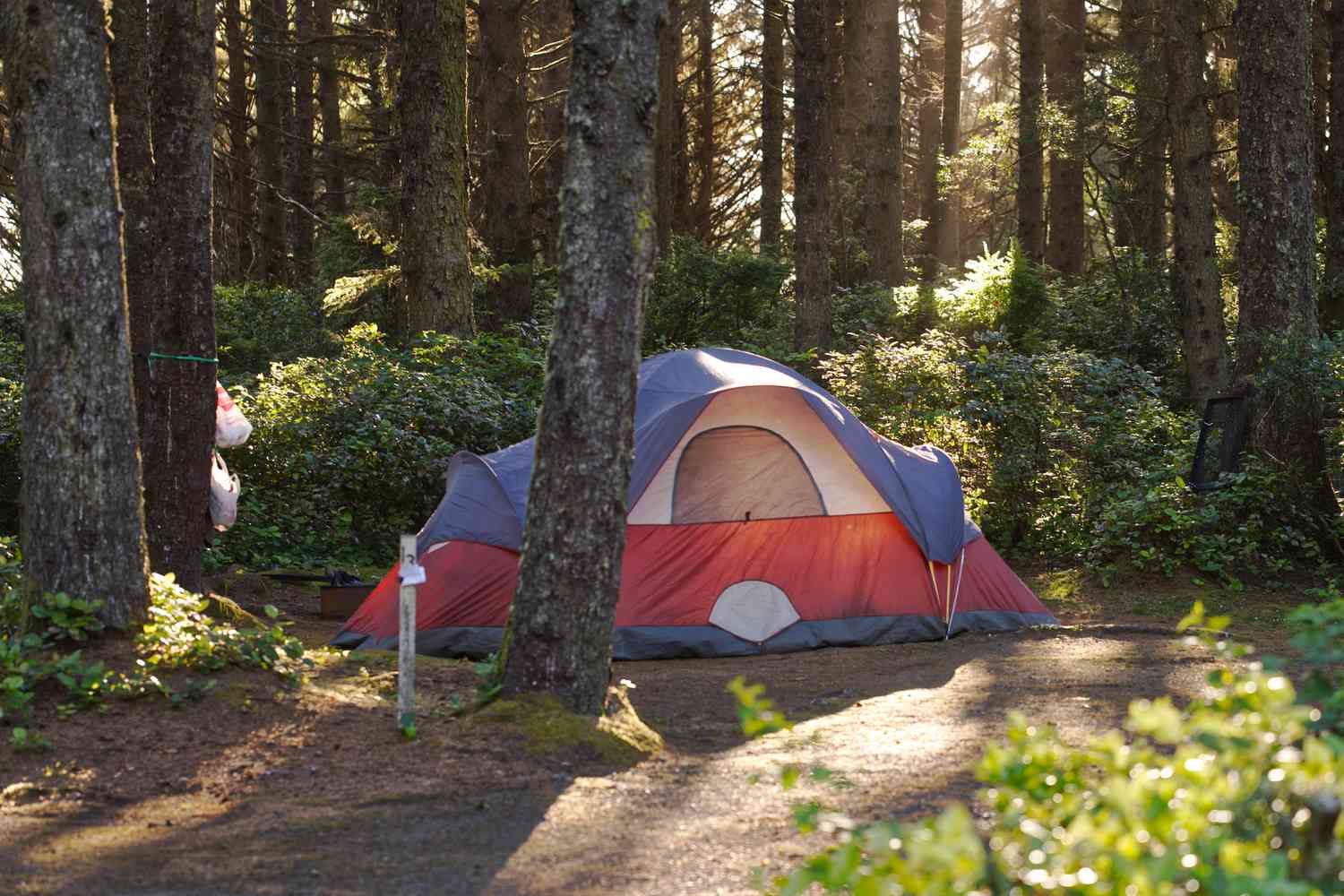
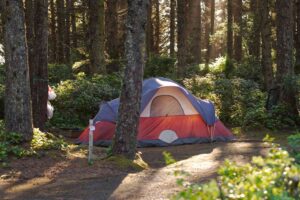
Your tent is your primary shelter in the wild, and choosing the wrong one can lead to sleepless nights. Ensure your tent is the right size for your group and appropriate for the weather conditions. Practice setting it up at home to avoid frustration at the campsite.
Neglecting Proper Sleeping Gear
A good night’s sleep is crucial for enjoying your camping trip. Invest in a quality sleeping bag rated for the temperatures you’ll encounter and a comfortable sleeping pad or air mattress. Skimping on these items can lead to cold, uncomfortable nights.
Improper Food Management
Food is a vital part of any camping trip, and mishandling it can lead to a host of problems, from wildlife encounters to foodborne illness.
Failing to Plan Meals
Without a proper meal plan, you risk running out of food or bringing items that are difficult to cook at a campsite. Plan each meal in advance, considering preparation and cooking times, and pack non-perishable, easy-to-cook options.
Improper Food Storage
Improperly stored food can attract wildlife to your campsite, creating dangerous situations. Use bear-proof containers or hang food away from your sleeping area. Always clean up food scraps and dispose of trash properly to minimize attracting animals.
Neglecting Safety Precautions
Safety should always be a top priority when camping. Neglecting basic safety measures can result in accidents or emergencies.
Ignoring Fire Safety
Campfires are a beloved part of camping, but they can also be dangerous. Always follow local regulations for fires, keep a bucket of water or sand nearby, and never leave a fire unattended. Extinguish your fire completely before leaving or going to sleep.
Overestimating Physical Abilities
It’s easy to get caught up in the excitement of outdoor activities, but overestimating your physical abilities can lead to injury or exhaustion. Choose hikes and activities that match your fitness level, and always inform someone of your plans and expected return time.
Overlooking Environmental Impact
As campers, it’s our responsibility to minimize our impact on the environment. Beginners may inadvertently harm the natural surroundings if they’re not mindful of their actions.
Leaving No Trace
Adhering to the Leave No Trace principles is essential for preserving the beauty of natural areas. Always pack out what you pack in, avoid picking plants or disturbing wildlife, and stick to established trails and campsites to minimize your impact.
Improper Waste Disposal
Proper waste disposal is crucial for maintaining a clean and healthy environment. Dispose of human waste in designated areas or dig a cat hole at least 200 feet away from water sources. Pack out all trash and leftovers to prevent pollution and wildlife encounters.
Underestimating the Importance of First Aid
Accidents can happen, even on the most well-planned camping trips. Being unprepared for minor injuries or health issues can turn a small problem into a larger one.
Skipping the First Aid Kit
A well-stocked first aid kit is a camping essential. Ensure your kit includes items like bandages, antiseptic wipes, pain relievers, and any personal medications. Familiarize yourself with basic first aid procedures before your trip.
Not Knowing the Location of the Nearest Help
In case of an emergency, knowing where to find the nearest medical facility or ranger station is vital. Research the area beforehand and have a map or GPS device on hand to guide you if needed.
Failing to Test Gear and Skills
Beginners often make the mistake of heading out with untested gear or skills, leading to frustration and potential safety hazards.
Not Testing Equipment
Before your trip, set up your tent, try out your stove, and ensure all equipment is in working order. Testing your gear at home can save you time and stress at the campsite.
Overlooking Skill Practice
Skills like starting a campfire, reading a map, or purifying water are important for a successful camping trip. Practice these skills beforehand to boost your confidence and ensure you’re prepared for any situation.
Conclusion
Camping can be a rewarding and enriching experience, especially when you take the time to prepare and avoid common beginner mistakes. By planning thoroughly, packing the right gear, managing food responsibly, prioritizing safety, minimizing environmental impact, and honing your skills, you can ensure a successful and enjoyable outdoor adventure. Remember, the key to a great camping trip is preparation and mindfulness, allowing you to fully immerse yourself in the beauty and serenity of nature.
#ChatGPT assisted in the creation of this article.





Post Comment