Solo Camping Guide: Essential Tips for Beginners
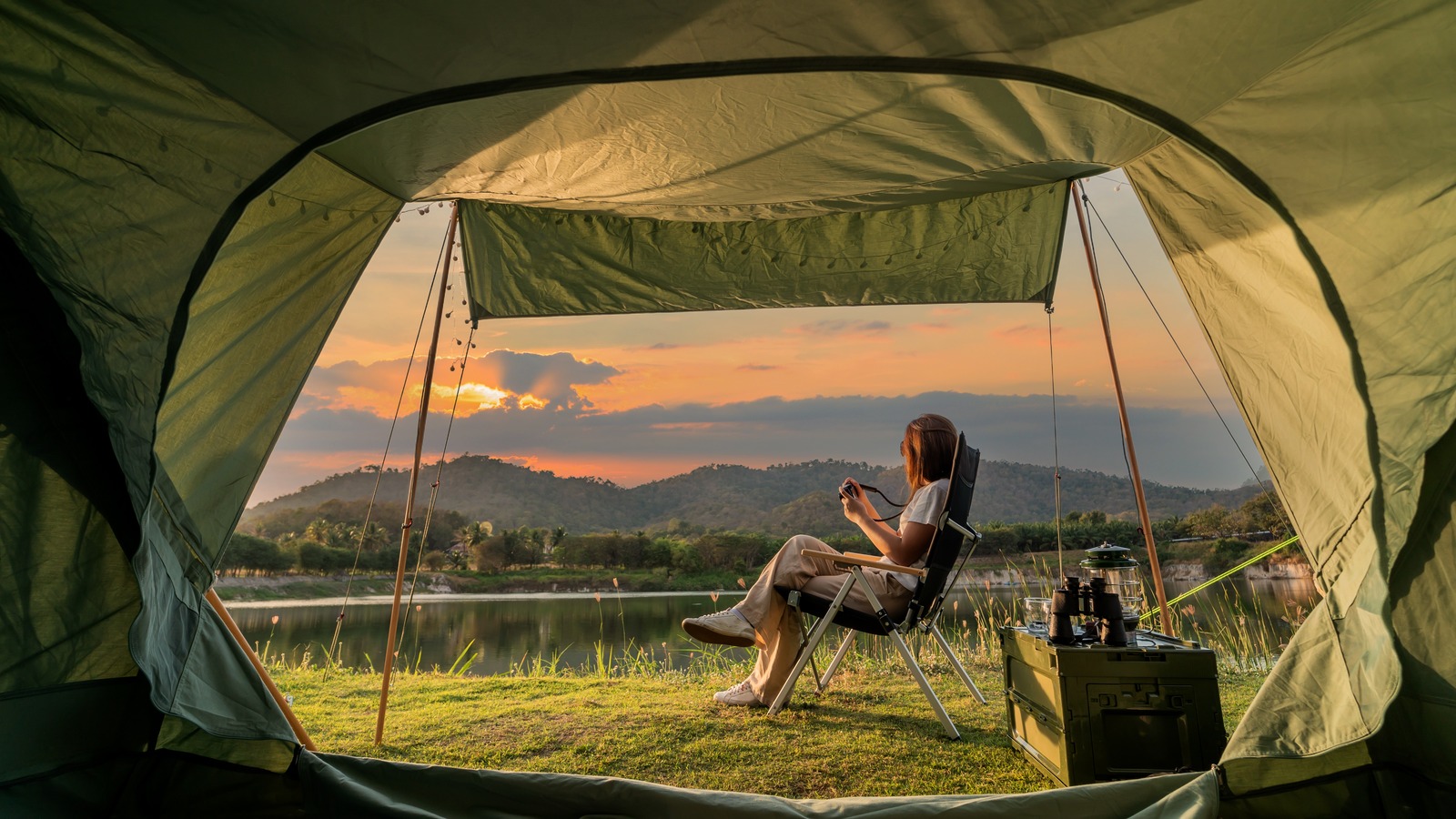
Camping is a wonderful way to reconnect with nature, and solo camping allows for a deeply personal experience with the wilderness. Whether you’re seeking solitude, adventure, or both, solo camping can be incredibly rewarding. However, being alone in nature also comes with its own set of challenges and considerations. This guide aims to provide beginners with essential tips to ensure a safe and enjoyable solo camping trip.
Planning Your Solo Camping Trip
Choosing the Right Location
When selecting a campsite for your solo adventure, consider your experience level and comfort. Beginners should choose well-maintained campsites, preferably in popular national or state parks where help is easily accessible. These locations often have amenities like restrooms, water, and marked trails.
Research and Prepare
Research your chosen location thoroughly. Understand the weather conditions, potential wildlife encounters, and the terrain. Familiarize yourself with the park rules and regulations. Check trail maps and identify landmarks. Preparation and knowledge are key to a successful solo camping trip.
Inform Others of Your Itinerary
Always inform a trusted friend or family member about your trip details. Provide them with your campsite location, expected return time, and any other relevant information. This ensures that someone is aware of your whereabouts in case of an emergency.
Essential Gear for Solo Camping
Lightweight and Multipurpose Gear
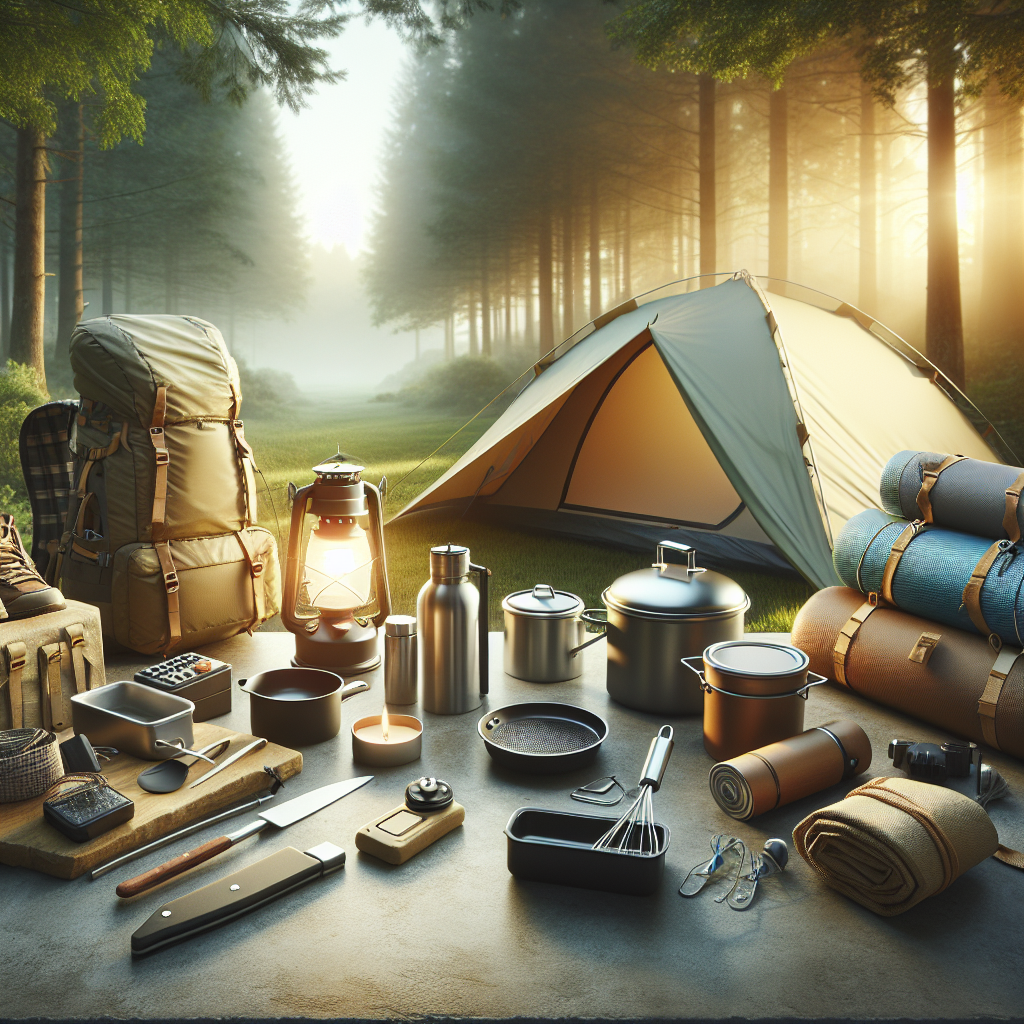
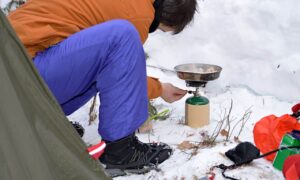
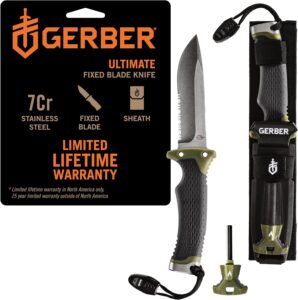
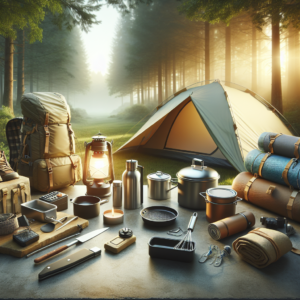
When camping alone, you’ll be carrying all your gear by yourself, so prioritize lightweight and multipurpose items. Invest in a high-quality backpack, a compact sleeping bag, and a lightweight tent. Consider gear that can serve multiple functions, such as a multi-tool or a camping stove that doubles as a grill.
Navigation Tools
Even if you’re familiar with the area, always carry a map and compass. A GPS device or a smartphone with offline maps is also recommended. Ensure you know how to use these tools before setting out.
Safety and Emergency Kit
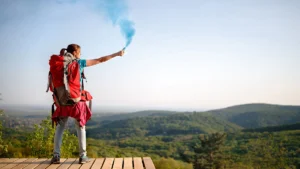
Your safety kit should include a first-aid kit, a whistle, a flashlight with extra batteries, and a portable charger for your phone. A personal locator beacon (PLB) or a satellite messenger can provide an added layer of safety, allowing you to send distress signals if needed.
Setting Up Camp
Arriving Early
Try to reach your campsite early in the day to allow ample time for setting up your camp. This will help you avoid setting up in the dark and give you time to familiarize yourself with the surroundings.
Choosing the Right Spot
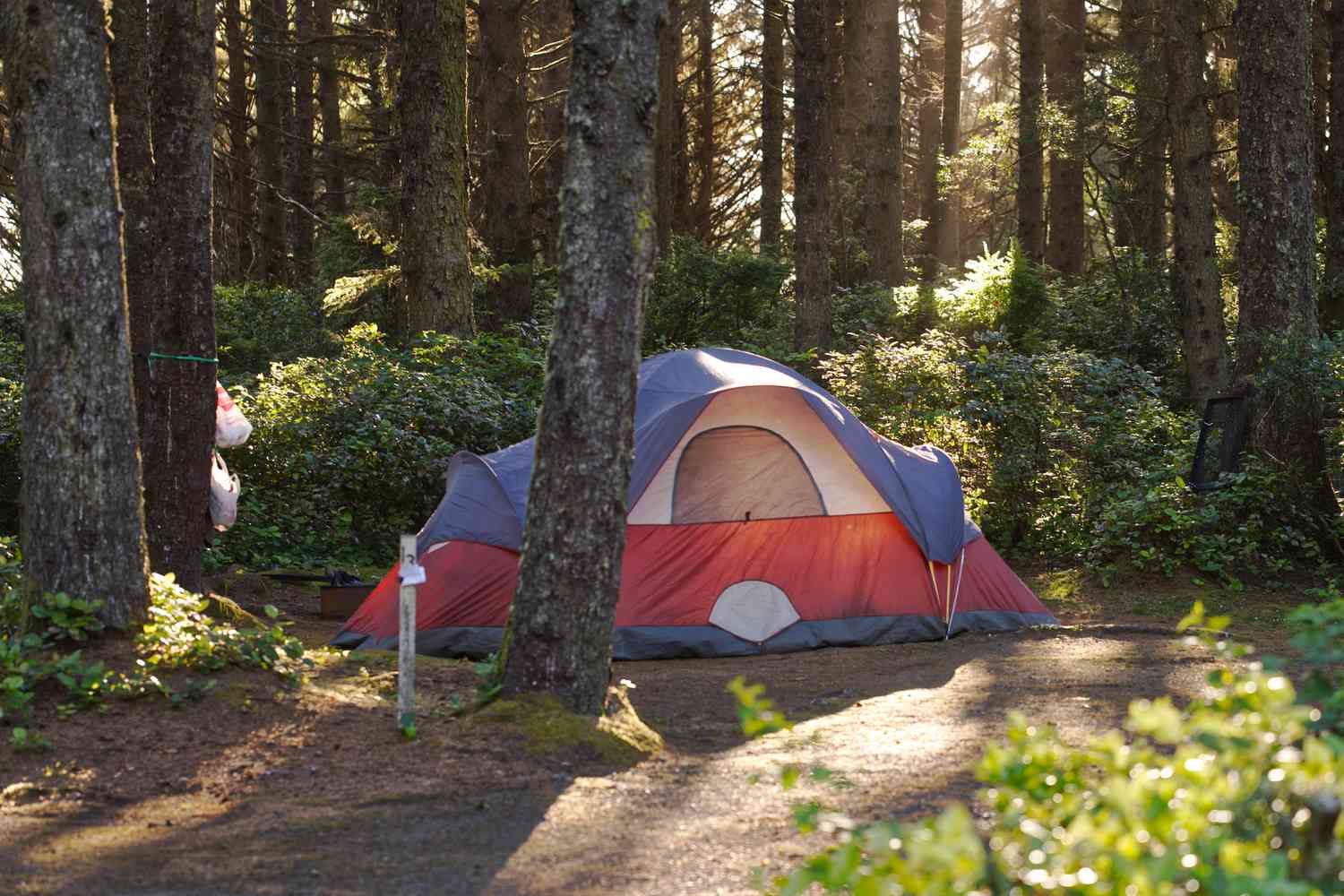
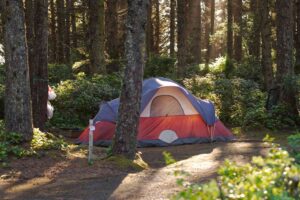
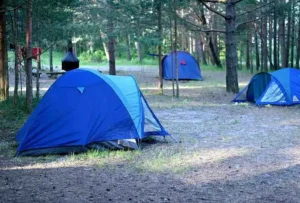
Select a flat, dry area for your tent, away from potential hazards like dead trees or flood zones. Ensure you’re not too close to water bodies to avoid insects and unexpected water level changes. Look for natural wind breaks such as bushes or rocks.
Setting Up Your Tent
Practice setting up your tent at home before your trip. When on-site, ensure your tent is securely pitched and properly staked. This will protect against wind and rain, ensuring a comfortable night’s sleep.
Solo Camping Safety Tips
Trust Your Instincts
If something doesn’t feel right, trust your instincts. Whether it’s the weather, wildlife, or other campers, it’s better to be cautious and adjust your plans if needed.
Handling Wildlife
Respect wildlife by observing from a distance. Store food securely, either in bear-proof containers or by hanging it from a tree. Keep your campsite clean to avoid attracting animals.
Weather Preparedness
Be prepared for sudden weather changes. Carry extra clothing layers, a rain jacket, and a thermal blanket. Monitor weather forecasts and adjust your plans accordingly.
Enjoying the Solo Experience
Embrace Solitude
Solo camping provides a unique opportunity to enjoy solitude and self-reflection. Take time to appreciate the beauty around you, journal your thoughts, or simply meditate.
Engage in Activities
Engage in activities that you enjoy or try something new. Whether it’s hiking, birdwatching, photography, or reading, having planned activities will enrich your camping experience.
Capture the Moment
Document your journey with photographs or videos. Capturing these moments will provide wonderful memories to look back on and share with others.
Conclusion
Solo camping is an enriching experience that offers both challenges and rewards. With careful planning, the right gear, and a respectful approach to nature, beginners can enjoy a safe and fulfilling solo camping adventure. Remember to leave no trace, respect wildlife, and savor the solitude that only a solo camping trip can provide.


Post Comment