Optimize Camping Gear Storage for Maximum Space Efficiency

Camping is a wonderful way to escape the hustle and bustle of daily life and reconnect with nature. However, managing and storing camping gear can often be a challenge, especially if you have limited space at home. Whether you’re an occasional weekend camper or a seasoned outdoor enthusiast, optimizing your camping gear storage is key to maintaining an organized and efficient setup. In this article, we’ll explore practical tips and strategies to maximize your storage efficiency, ensuring that your gear is always ready for the next adventure.
Assess Your Gear Inventory
The first step in optimizing your camping gear storage is to take stock of what you own. Begin by laying out all your camping equipment and categorizing it into groups such as tents, sleeping bags, cooking equipment, and miscellaneous items. This will help you identify duplicates, worn-out items, or gear you no longer use. Consider donating or selling items that are in good condition but surplus to your needs.
Choose the Right Storage Solutions
Once you have a clear understanding of your gear inventory, it’s time to choose appropriate storage solutions. The right storage options will help you keep your gear organized and easily accessible. Here are some popular storage solutions:
Clear Plastic Bins
Clear plastic bins are an excellent choice for storing camping gear because they allow you to see the contents without having to open the lid. Label each bin according to its contents, such as “Cooking Gear” or “Sleeping Equipment,” to make it easy to find what you need. Stackable bins can save space and keep your storage area tidy.
Hanging Organizers
Utilize wall space by installing hanging organizers or pegboards. These are ideal for storing smaller items like flashlights, ropes, and utensils. Hanging organizers can be customized to fit your specific needs and help keep frequently used items within reach.
Vacuum-Sealed Bags
Compressible items such as sleeping bags and clothing can be stored in vacuum-sealed bags to save space. This method not only reduces the bulk of these items but also protects them from moisture and dust.
Shelving Units
Invest in sturdy shelving units for larger items such as tents and coolers. Adjustable shelves allow you to customize the storage space according to the size of your gear. Consider using foldable shelving units that can be easily set up or taken down as needed.
Maximize Vertical Space
When floor space is limited, vertical storage solutions can make a significant difference. Here are some ways to maximize vertical space:
Wall-Mounted Racks
Install wall-mounted racks for items like kayaks, bicycles, or backpacks. These racks keep bulky items off the ground, freeing up valuable floor space. Ensure the racks are securely mounted to support the weight of your gear.
Overhead Storage
Consider using overhead storage solutions such as ceiling-mounted shelves or pulleys for gear that is not frequently used. This is particularly useful for storing seasonal items or gear that requires more space, like camping chairs and canopies.
Implement a Rotational System
A rotational storage system ensures that your most frequently used gear is easily accessible. Store items you use regularly in the front or at eye level, while placing less frequently used items in the back or higher up. This system minimizes the time spent searching for gear and helps keep your storage area organized.
Regularly Maintain and Clean Your Gear
Proper maintenance and cleaning of your camping gear can extend its lifespan and keep it in good condition for future trips. Before storing your gear, make sure it is clean and dry to prevent mold and mildew growth. Regularly inspect your gear for any damage or wear and perform necessary repairs.
Label Everything
Clear labeling is essential for efficient storage. Use waterproof labels or tags to identify the contents of each storage bin, shelf, or bag. This will save you time and effort when packing for your next camping trip, as you’ll know exactly where to find each item.
Create a Camping Checklist
To avoid overpacking and ensure you have everything you need, create a comprehensive camping checklist. This list should include all essential items such as shelter, bedding, cooking supplies, clothing, and safety equipment. Update your checklist after each trip to reflect any changes or new items you may need.
Consider Multi-Purpose Gear
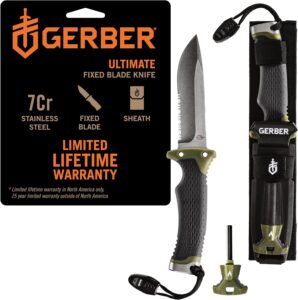
Invest in multi-purpose gear that can serve multiple functions, reducing the number of items you need to store. For example, a multi-tool can replace several individual tools, and a convertible sleeping bag can be used in various weather conditions. Multi-purpose gear not only saves space but also simplifies packing and organization.
Utilize Outdoor Storage
If you have limited indoor storage space, consider utilizing outdoor storage options. Weather-resistant storage sheds or outdoor cabinets can provide additional space for bulky items like tents and camping furniture. Just ensure that the storage area is secure and protected from the elements.
Digitize Manuals and Instructions
To save space and reduce clutter, digitize manuals and instructions for your camping gear. Scan or photograph the documents and store them digitally on your smartphone, tablet, or computer. This way, you’ll have easy access to important information without having to store physical copies.
Conclusion
Optimizing camping gear storage for maximum space efficiency involves strategic planning, organization, and a commitment to regular maintenance. By taking the time to assess your gear, choose the right storage solutions, and implement efficient systems, you can ensure that your camping equipment is always ready for your next adventure. Whether you’re heading out for a weekend getaway or a longer expedition, having an organized and clutter-free storage area will make preparing for your trip a breeze. Happy camping!
#ChatGPT assisted in the creation of this article.



Post Comment