Mastering Wilderness Survival: Essential Skills Guide
Wilderness survival is more than just a set of skills; it’s a way to connect with nature and ensure safety when venturing into the great outdoors. Whether you’re an avid hiker, a camping enthusiast, or someone preparing for an unexpected emergency, mastering the essentials of wilderness survival is crucial. This guide will provide you with the knowledge and skills needed to survive and thrive in the wild.
Understanding the Basics of Wilderness Survival
Survival in the wilderness revolves around the “Rule of Threes,” which highlights the priorities in a survival situation: you can survive three minutes without air, three hours without shelter in harsh conditions, three days without water, and three weeks without food. Understanding these principles helps prioritize your actions in a survival scenario.
Building a Shelter: Your First Line of Defense
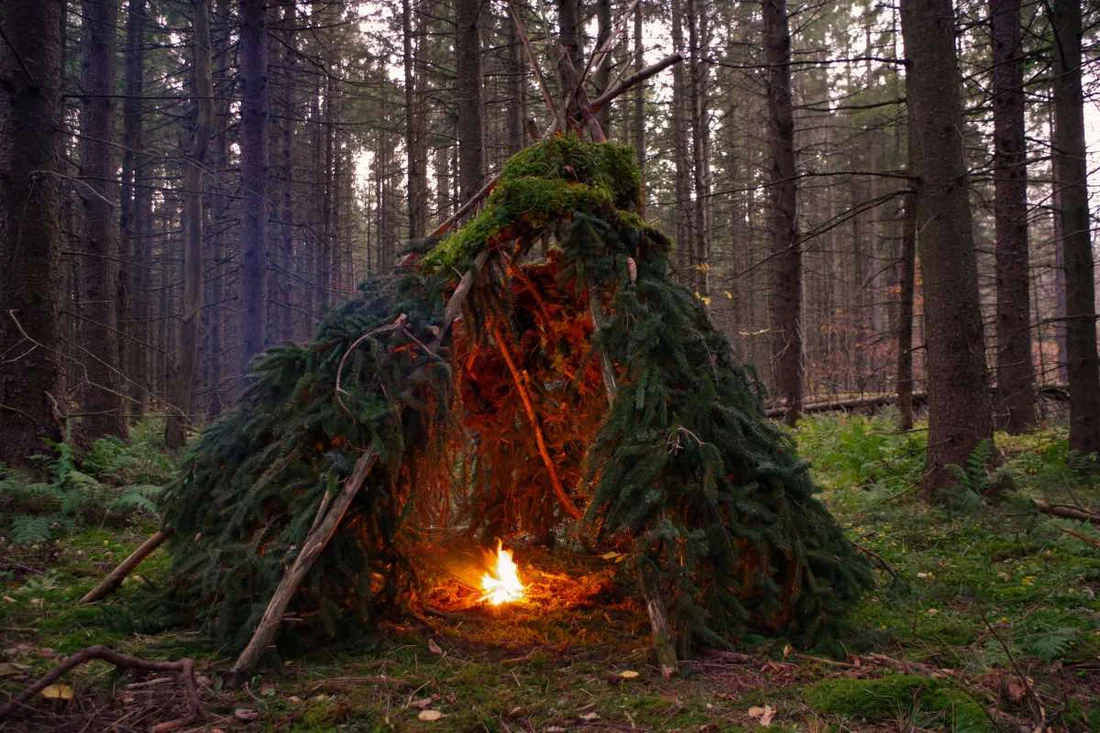
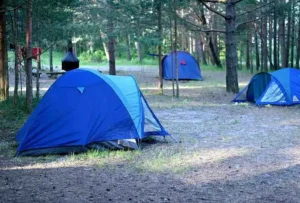
Shelter provides protection from the elements, which is crucial in preventing hypothermia or heatstroke. Here’s how to build a basic shelter:
Selecting the Right Location
Choose a location that is safe from hazards such as falling branches, flooding, or wildlife. Look for natural formations like caves or fallen trees that can serve as a foundation for your shelter.
Constructing the Shelter
Using natural materials like branches, leaves, and moss, create a structure that insulates and protects you from wind and rain. A simple lean-to or debris hut can be highly effective. Ensure your shelter is small enough to conserve body heat but large enough for comfort.
Finding and Purifying Water
Water is essential for survival, but not all sources are safe to drink. Here’s how to locate and purify water in the wild:
Locating Water Sources
Look for natural water sources such as streams, rivers, and lakes. If these are unavailable, watch for animal tracks or birds, which often lead to water. Collect morning dew or rainwater as additional sources.
Purifying Water
To avoid waterborne illnesses, purify any collected water. Boiling is the most effective method, but if that’s not possible, use water purification tablets or filters. In an emergency, you can create a solar still or use natural materials like charcoal and sand to filter water.
Finding Food: From Foraging to Hunting
While food is a lower priority compared to shelter and water, finding sustenance becomes critical after several days:
Foraging for Edible Plants
Familiarize yourself with local edible plants and berries. Avoid plants with white or yellow berries, as they are often toxic. Learn to identify safe plants by their unique characteristics and always test for edibility if unsure.
Trapping and Fishing
Set up simple snares and traps using natural materials or carry lightweight fishing gear in your survival kit. Focus on small game, as they are easier to catch and prepare. Employ patience and understand animal behavior to increase your chances of success.
Starting a Fire: The Ultimate Survival Tool
Fire provides warmth, a means to cook food, and a way to signal for help. Here’s how to start a fire in the wilderness:
Gathering Materials
Collect dry tinder, kindling, and fuel. Look for birch bark, dry grass, and small twigs. Ensure your materials are dry, even if you need to carry them into a sheltered area to dry them out.
Fire-starting Techniques
Master different fire-starting methods such as using a spark rod, magnifying glass, or friction-based techniques like the bow drill. Practice these methods regularly to ensure proficiency in any situation.
Navigation: Finding Your Way
Getting lost is a common risk in the wilderness. Learn how to navigate using natural and man-made tools:
Using a Map and Compass
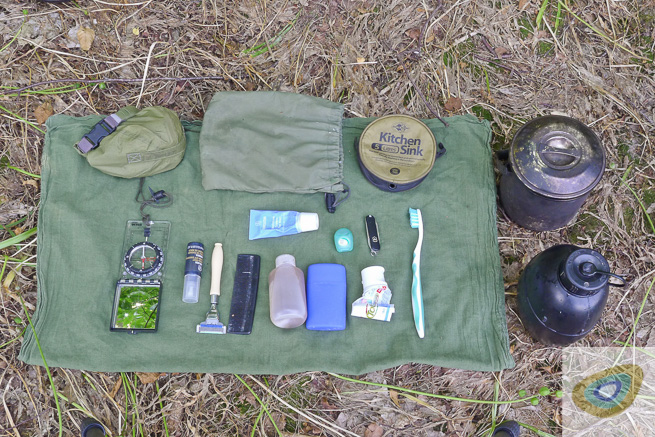
Understanding how to read a topographic map and use a compass is invaluable. Always carry these tools and practice regularly to maintain your skills.
Navigating with Nature
If you lack navigation tools, use the sun and stars as guides. The position of the sun, the North Star, and natural landmarks can help orient you. Pay attention to the direction of prevailing winds and the growth patterns of vegetation for additional clues.
Signaling for Help
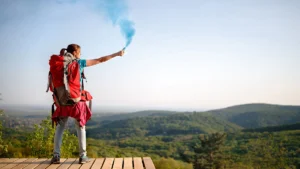
In a survival situation, being able to signal for help can mean the difference between life and death:
Creating Visual Signals
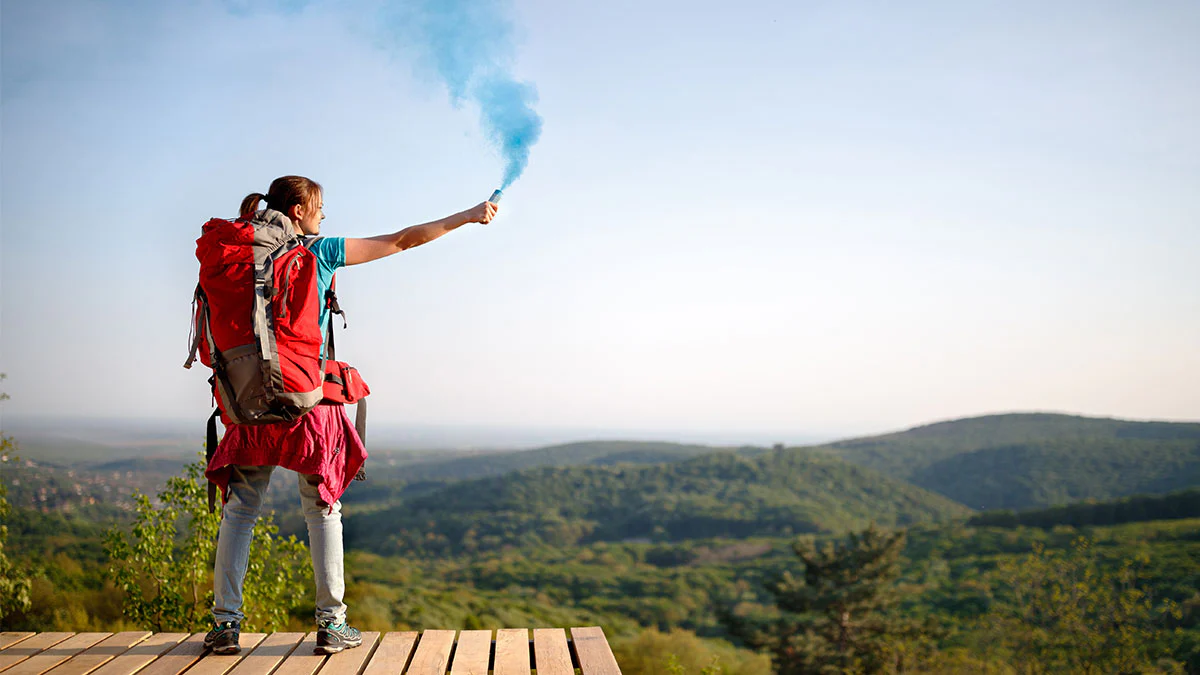
Create large, visible signals using rocks, logs, or bright materials. SOS is universally recognized and can be laid out on open ground or a hilltop for visibility from the air.
Using Sound Signals
Use a whistle or other loud noise-making device to draw attention. Three blasts is an internationally recognized distress signal. Keep signaling intervals regular to conserve energy.
First Aid: Handling Injuries in the Wild
Injuries can occur unexpectedly in the wilderness. Knowing basic first aid is crucial:
Treating Common Injuries
Learn to treat cuts, sprains, and fractures with limited resources. Carry a first aid kit with essentials like bandages, antiseptic, and pain relievers.
Coping with Severe Situations
In cases of severe injury or illness, stabilize the person and signal for help. Keep the injured person warm and hydrated while waiting for rescue.
Psychological Resilience: Surviving the Mental Challenge
Survival is as much a mental challenge as it is physical. Maintaining a positive and resilient mindset is crucial:
Staying Calm and Focused
In high-stress situations, staying calm is vital. Practice deep breathing and focus on one task at a time to prevent panic and ensure clear decision-making.
Setting Goals and Staying Positive
Set achievable short-term goals to maintain motivation. Stay positive by focusing on progress and remembering that your efforts are bringing you closer to safety.
Conclusion
Mastering wilderness survival skills not only prepares you for unexpected situations but also enriches your outdoor experiences. By understanding and practicing these essential skills, you can confidently explore the wilderness while ensuring your safety and well-being. Remember, preparation and practice are key components of successful wilderness survival.



Post Comment