Mastering Outdoor Risk Management: Essential Survival Tips
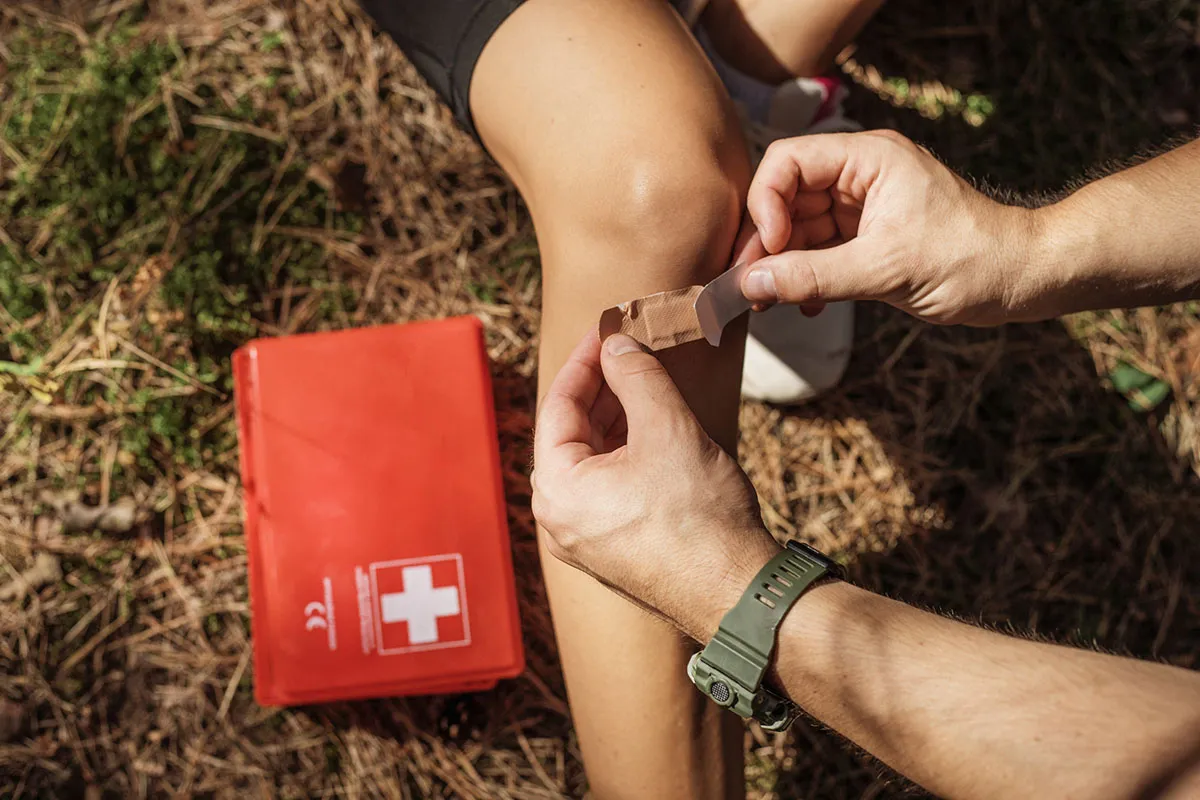
Venturing into the great outdoors can be an exhilarating experience, offering a chance to connect with nature, escape the daily grind, and rejuvenate the mind and body. However, with the beauty and serenity of nature comes inherent risks that can quickly turn a dream adventure into a nightmare. Mastering outdoor risk management is crucial for ensuring safety and maximizing enjoyment. This article provides essential survival tips for managing risks effectively in outdoor settings.
Understanding Outdoor Risks
The first step in managing outdoor risks is understanding the types of hazards you may encounter. These can be broadly categorized into environmental, personal, and situational risks. Environmental risks include weather conditions, terrain challenges, and wildlife encounters. Personal risks involve physical and mental preparedness, while situational risks pertain to unforeseen events like getting lost or equipment failure.
Environmental Risks
Nature is unpredictable, and weather conditions can change rapidly. Understanding weather patterns and preparing for extremes, such as storms, extreme heat, or cold, is vital. Terrain challenges, such as steep slopes, loose rocks, or water crossings, require careful navigation and may necessitate specialized skills like rock climbing or swimming. Wildlife encounters, although rare, can pose serious threats, especially if you’re unprepared to handle them.
Personal Risks
Your physical condition and mental state significantly influence your ability to manage outdoor risks. Physical fitness is crucial for handling the demands of outdoor activities, while mental resilience helps in staying calm and making rational decisions under pressure. Additionally, skills like navigation, first aid, and the use of outdoor equipment are vital for personal safety.
Situational Risks
Even with thorough planning, unexpected situations can arise. Getting lost, encountering equipment failure, or facing medical emergencies like sprains or altitude sickness can quickly escalate into life-threatening situations if not managed properly. Understanding how to respond to these risks is essential for outdoor survival.
Essential Survival Tips for Outdoor Risk Management
Preparation and Planning
Effective risk management begins long before you set foot on the trail. Research your destination thoroughly, including weather conditions, terrain, and any known hazards. Create a comprehensive plan that includes your route, expected timeframes, and contingency plans for emergencies. Share this information with a trusted contact who can alert authorities if you fail to check in as scheduled.
Equip Yourself with the Right Gear
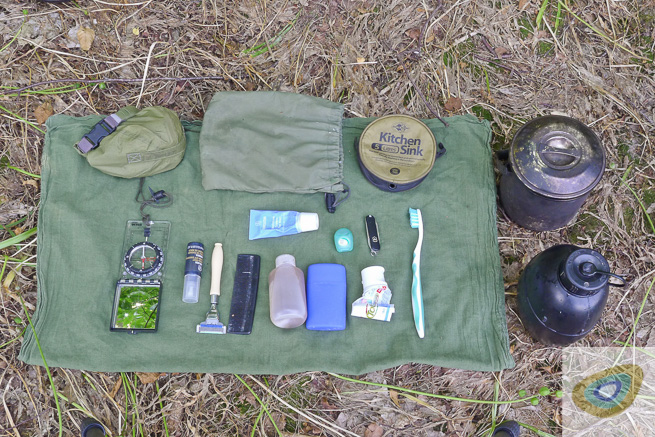
Having the right gear is paramount in managing outdoor risks. Essential items include a reliable map and compass or GPS for navigation, appropriate clothing for varying weather conditions, a first aid kit, a multi-tool, and emergency supplies like food, water, and a fire-starting kit. Ensure your gear is in good condition and that you know how to use it effectively.
Develop Essential Outdoor Skills
Building a repertoire of outdoor skills enhances your ability to manage risks effectively. Learn navigation skills to avoid getting lost, practice first aid to handle medical emergencies, and acquire skills like knot tying, fire building, and shelter construction for survival scenarios. Consider taking courses or practicing with experienced outdoors people to hone these skills.
Understand the Importance of Staying Calm
In high-stress situations, maintaining a calm demeanor can significantly impact your survival chances. Panic can lead to poor decision-making and increase the risk of injury or getting further lost. Practice stress management techniques, such as deep breathing and mindfulness, to help maintain clarity and focus during emergencies.
Wildlife Awareness and Safety
Wildlife encounters can be thrilling yet dangerous. Research the wildlife native to your destination and learn how to react to encounters, whether it’s a bear, snake, or insect. Store food securely to avoid attracting animals, make noise while hiking to prevent surprise encounters, and carry bear spray or a whistle for added protection.
Weather and Terrain Navigation
Understanding how to read weather patterns and navigate challenging terrain is crucial for risk management. Learn to interpret clouds and wind changes, anticipate weather shifts, and adjust your plans accordingly. When navigating difficult terrain, take your time, use appropriate gear like trekking poles, and avoid risky areas if you’re unsure of your ability to traverse them safely.
Communication and Emergency Protocols
Establish effective communication methods and emergency protocols before your trip. Carry a fully charged cell phone or satellite communication device, and understand how to use them in emergencies. Know the local emergency contact numbers and procedures for evacuating injured or ill group members.
Conclusion
Mastering outdoor risk management requires a combination of preparation, skills, and the right mindset. By understanding potential risks, equipping yourself with the necessary gear, and developing essential skills, you can confidently navigate the challenges of outdoor adventures. Remember, the goal is not to eliminate all risks, but to manage them effectively to enhance both safety and enjoyment. With these essential survival tips, you can embark on your outdoor journeys with greater assurance and peace of mind.
#ChatGPT assisted in the creation of this article.











Post Comment