Mastering Outdoor Hygiene: Essential Survival Tips
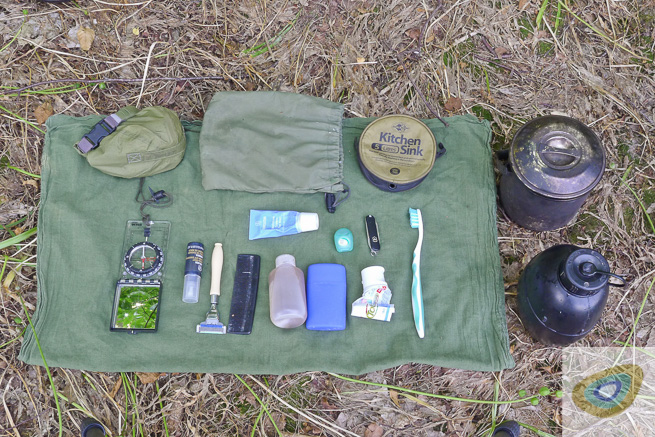
Venturing into the wild offers an exhilarating sense of freedom and adventure, but it also demands a level of self-reliance that is often unfamiliar to those accustomed to the comforts of urban living. One crucial aspect of this self-reliance is maintaining hygiene, which is vital not only for personal comfort but also for health and safety. In this article, we will explore essential tips and techniques to master outdoor hygiene, ensuring that your adventures remain enjoyable and safe.
The Importance of Outdoor Hygiene
Maintaining proper hygiene in the wilderness is more than just a matter of comfort. It plays a critical role in preventing infections, diseases, and the attraction of wildlife. Poor hygiene can lead to health issues such as gastrointestinal infections, skin irritations, and even serious diseases transmitted through insects or contaminated water.
Personal Hygiene Essentials
Hand Hygiene
Your hands can be a primary vector for disease transmission. Always carry a small bottle of hand sanitizer with at least 60% alcohol content. Use it before eating, after using the restroom, and whenever you’ve touched potentially contaminated surfaces.
Oral Hygiene
Maintaining oral hygiene is crucial, even when outdoor. Carry a travel-sized toothbrush and toothpaste. If water is scarce, consider using alternatives like chewing gum or tooth powder to keep your mouth fresh and clean.
Skin Care
Protecting your skin is vital in the wild. Use biodegradable soap when washing to prevent environmental harm. Pay attention to your feet, as they are prone to blisters and infections. Change socks regularly and keep your feet dry.
Managing Waste
Human Waste
Proper disposal of human waste is crucial to avoid contamination. Dig a cathole at least 6-8 inches deep and 200 feet away from water sources, trails, and campsites. Cover it thoroughly after use. Consider carrying a portable toilet system for longer treks.
Trash Management
Follow the “Leave No Trace” principle by packing out all trash. Carry resealable bags for waste storage and separate different types of waste for easy disposal when you return to civilization.
Water Purification
Access to clean water is a fundamental part of outdoor hygiene. Always assume that natural water sources are contaminated. Use methods such as boiling, filtering, or chemical purification tablets to ensure water safety. A reliable water filter or purification system can be a valuable investment for any outdoor enthusiast.
Food Safety
Safe food handling is critical in preventing foodborne illnesses. Store food in airtight containers and consume perishables first. Use hand sanitizer before handling food, and make sure to cook food thoroughly to kill bacteria and parasites.
Clothing and Gear Maintenance
Keep your clothing and gear clean and dry to prevent mold, bacteria, and odor. Pack lightweight, quick-drying clothing and a small amount of biodegradable detergent. Regularly clean and air out sleeping bags and tents to maintain hygiene and extend their lifespan.
Dealing with Insects and Wildlife
Bugs and wildlife can pose hygiene and safety challenges. Use insect repellent to deter mosquitoes and ticks, which can carry diseases. Keep food stored securely to avoid attracting animals to your campsite. Remember, maintaining a clean camp is key to minimizing encounters with wildlife.
Conclusion
Mastering outdoor hygiene is an essential skill for any adventurer. By maintaining personal cleanliness, managing waste appropriately, ensuring safe water and food, and caring for your gear, you can significantly enhance your outdoor experience. These practices not only protect your health but also preserve the natural environment for future generations. As you embark on your next adventure, remember that a clean and healthy campsite is a happy one.








Post Comment