Mastering Extreme Weather Camping: Essential Survival Tips
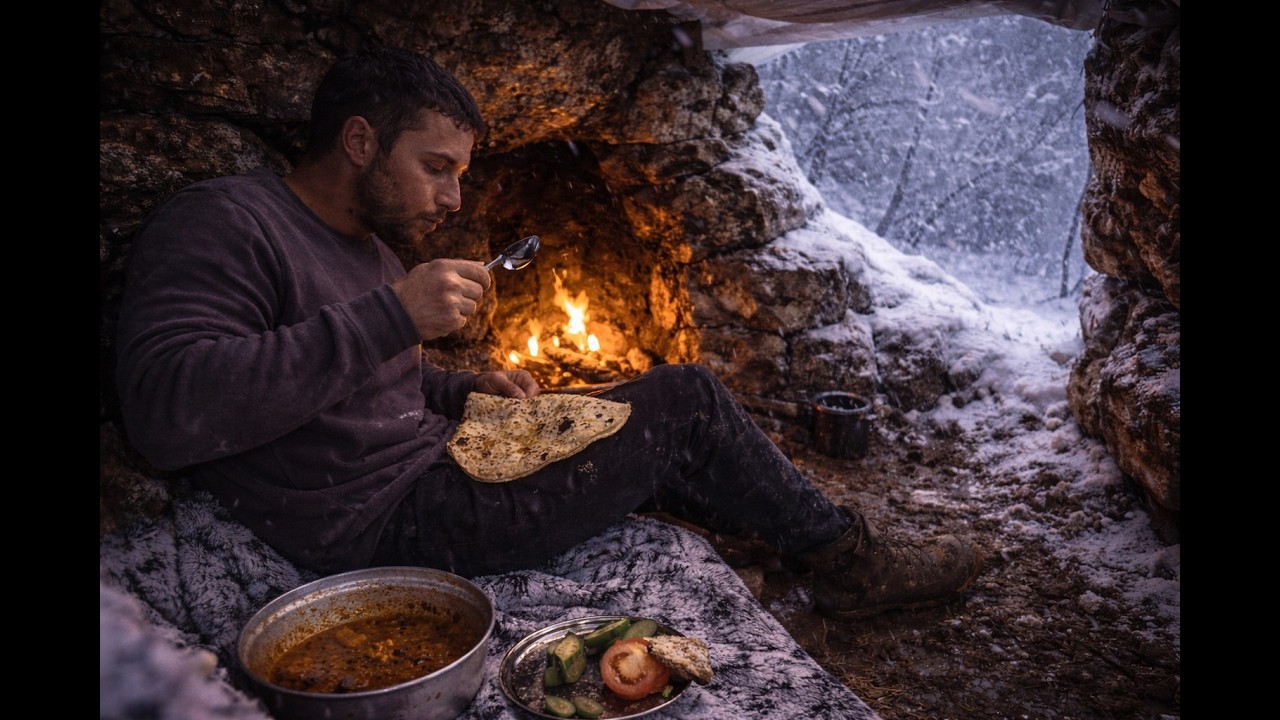
Camping in extreme weather conditions can be both challenging and rewarding. Whether you’re facing blistering heat, freezing cold, or torrential rain, mastering these conditions requires preparation, knowledge, and a set of well-honed skills. This article provides essential survival tips to help you navigate the trials and tribulations of extreme weather camping, ensuring both safety and enjoyment.
Understanding Extreme Weather Conditions
Before heading out into the wild, it’s crucial to understand the specific challenges posed by different extreme weather conditions. By being aware of these challenges, you can better prepare for them. Extreme weather can include:
- Heatwaves: High temperatures can lead to dehydration, heat stroke, and sunburn.
- Cold snaps: Sub-zero temperatures increase the risk of hypothermia and frostbite.
- Heavy rain: Continuous rain can cause flooding and make terrain slippery and treacherous.
- High winds: Strong winds can make it difficult to pitch tents and can create dangerous conditions, especially in exposed areas.
Preparation is Key
Preparation is the cornerstone of mastering extreme weather camping. The following tips will ensure you’re ready for whatever Mother Nature throws your way:
Research Your Destination
Before setting off, research the area where you plan to camp. Understand the typical weather patterns for the time of year and be aware of any potential natural hazards, such as avalanches or flash floods. Weather forecasts are essential but remember that conditions can change rapidly in many environments.
Pack the Right Gear
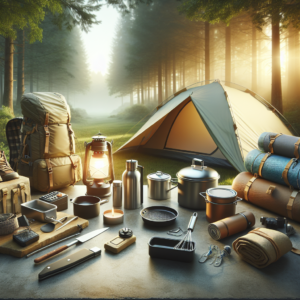
Invest in high-quality gear that is designed for extreme conditions. This includes a robust tent capable of withstanding high winds and rain, a sleeping bag rated for the expected temperatures, and appropriate clothing layers. Gear should be lightweight yet durable, allowing for flexibility and mobility.
Layering and Clothing
When it comes to clothing, layering is crucial to regulate body temperature. Start with a moisture-wicking base layer to keep sweat away from your skin. Add an insulating layer for warmth and a waterproof and windproof outer shell to protect against the elements. Don’t forget to pack extra socks, gloves, and hats.
Dealing with Heatwaves
Camping during a heatwave requires specific strategies to stay cool and hydrated:
Stay Hydrated
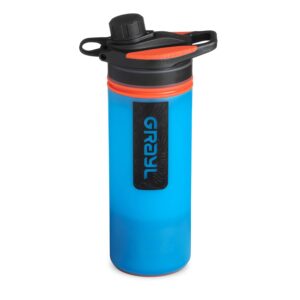
Dehydration is a major concern in hot weather. Always carry more water than you think you’ll need, and make use of portable water filters or purification tablets if you plan to source water from natural bodies. Drink regularly, even if you don’t feel thirsty, and keep an eye out for signs of dehydration, such as dark urine and dizziness.
Seek Shade
Set up camp in shaded areas if possible, and use tarps to create additional shade. Take breaks during the hottest parts of the day, usually between 10 a.m. and 4 p.m., to prevent heat exhaustion.
Wear Sun Protection
Apply sunscreen with a high SPF, wear a wide-brimmed hat, and use sunglasses to protect against UV rays. Long-sleeved, lightweight clothing can also provide protection from the sun.
Surviving Cold Snaps
Extreme cold requires meticulous preparation and vigilance to maintain body heat:
Insulate Your Shelter
Use a tent with a low profile to reduce wind exposure, and add an additional tarp or space blanket to reflect heat. Ensure your sleeping bag is properly rated for the temperatures you expect to encounter, and consider using a sleeping bag liner for extra warmth.
Keep Dry
Moisture is your enemy in cold weather. Avoid sweating by removing layers during physical activity, and change out of wet clothing immediately. Keep your sleeping area dry, and store gear in waterproof bags.
Use Heat Sources Safely
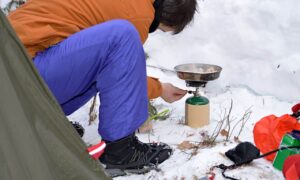
Portable stoves and campfires can provide necessary warmth, but they must be used safely. Never use them inside a tent, as this poses a risk of carbon monoxide poisoning. Consider using a hot water bottle to warm your sleeping bag, but ensure it’s tightly sealed to prevent leaks.
Handling Heavy Rain
Continuous rain can be challenging but manageable with the right approach:
Choose Your Campsite Wisely
Avoid low-lying areas that may flood, and look for well-drained ground. Set up camp on higher ground and use a groundsheet to prevent moisture from seeping into your tent.
Stay Dry
Keep your gear dry by storing it in waterproof bags or containers. Wear waterproof clothing, and remember that even breathable rain gear can lead to condensation, so ventilate when possible.
Manage Morale
Rain can dampen spirits, so it’s important to keep morale high. Bring along entertainment, such as books or cards, and ensure everyone in your group is warm and well-fed.
Braving High Winds
Strong winds present unique challenges, especially when it comes to setting up camp:
Secure Your Tent
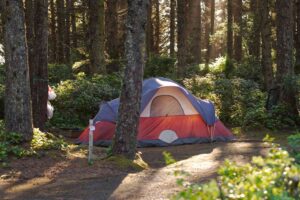
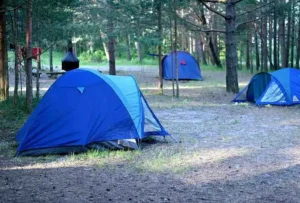
Choose a sheltered spot where possible, and ensure your tent is securely anchored using stakes and guylines. Consider using additional rocks or logs to weigh down the tent.
Protect Yourself
Wear windproof clothing and protect your eyes with goggles or glasses. Be mindful of falling branches or debris if camping in a wooded area.
Plan for Emergencies
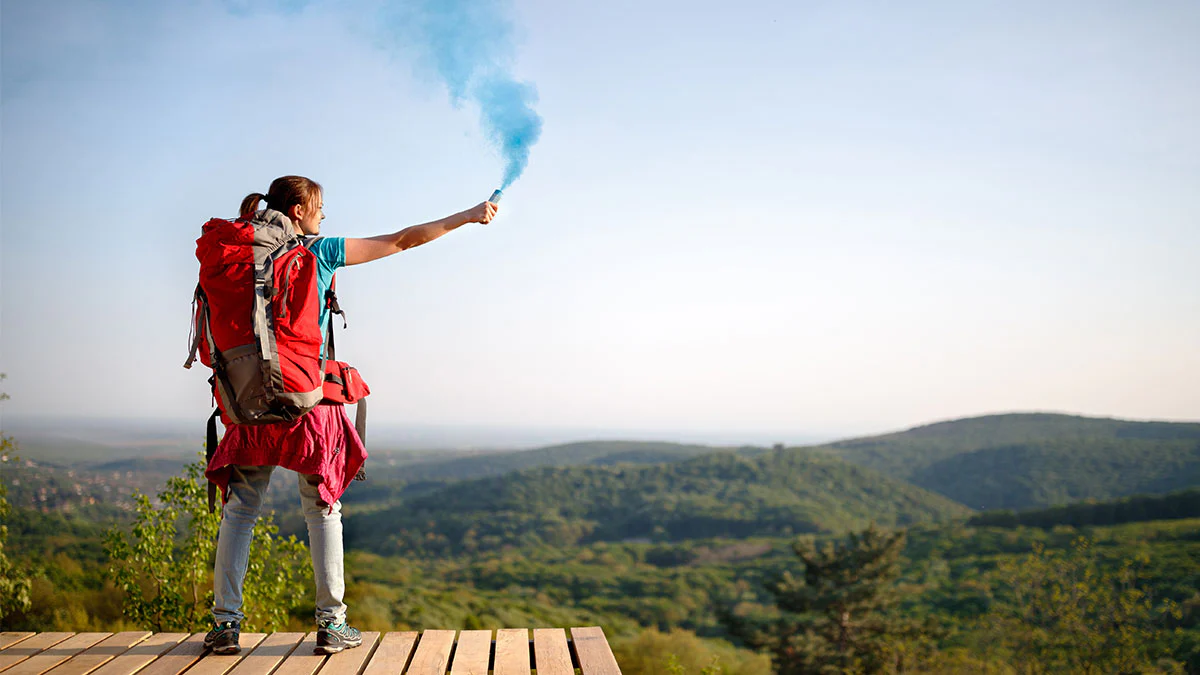
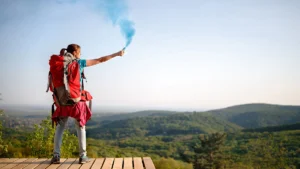
In high winds, having a plan for emergencies is crucial. Know the location of the nearest shelter or evacuation route, and keep a whistle or signaling device handy.
Conclusion
Mastering extreme weather camping requires a blend of preparation, adaptability, and a positive mindset. By understanding the unique challenges posed by different weather conditions and implementing the survival tips outlined in this article, you’ll be well-equipped to face the elements with confidence. Remember, the key to a successful outdoor adventure lies in respecting nature and being prepared for whatever it may bring.


Post Comment