Mastering Essential Campfire Skills for Outdoor Survival
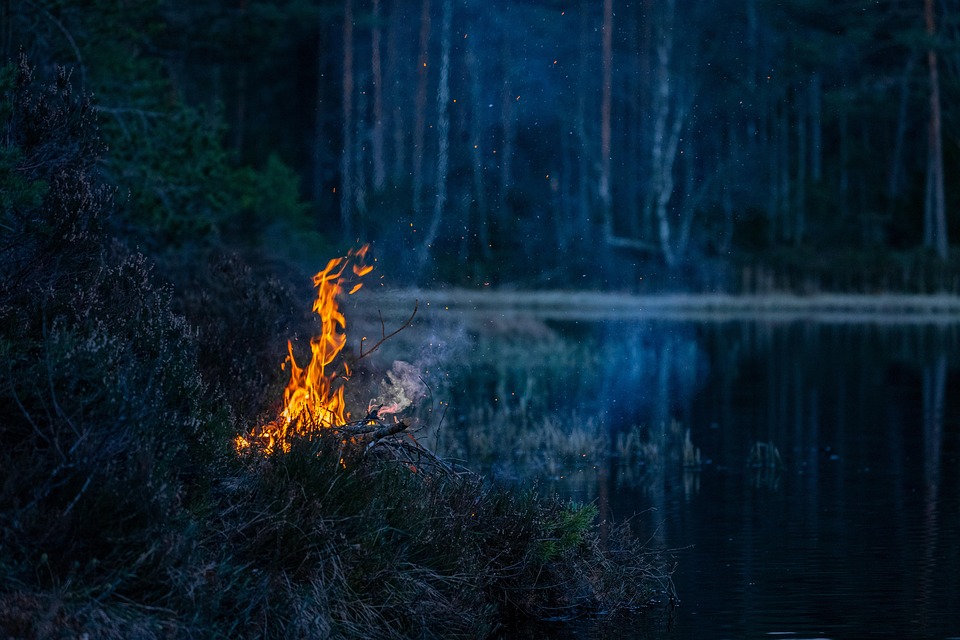
When it comes to outdoor survival, the ability to create and maintain a campfire is paramount. A campfire provides warmth, a means to cook food, and a psychological boost when you’re out in the wild. Mastering essential campfire skills can greatly increase your chances of survival in the wilderness and can also enhance your overall outdoor experience.
Understanding the Basics of Fire
Before you can master campfire skills, it’s crucial to understand the basics of fire. Fire requires three elements: heat, fuel, and oxygen. This is commonly referred to as the fire triangle. Remove any one of these elements, and the fire will extinguish. Understanding how these elements interact will help you build and maintain a successful campfire.
Gathering the Right Materials
The first step in building a campfire is gathering the right materials. You’ll need tinder, kindling, and fuel wood.
Tinder is any small material that ignites easily with a spark. This can include dry leaves, grass, bark shavings, or commercial fire starters. The key is that the tinder must be dry.
Kindling is slightly larger than tinder and helps sustain a flame long enough to ignite larger pieces of wood. Small twigs, sticks, and branches typically serve as kindling.
Fuel wood consists of larger logs that will keep the fire burning for an extended period. Ensure that your fuel wood is dry, as wet wood can smother the fire.
Building a Campfire
Once you’ve gathered the necessary materials, it’s time to build the campfire. There are several techniques, but three of the most effective are the teepee, log cabin, and lean-to methods.
Teepee Method
The teepee method is one of the most popular and effective ways to start a campfire. Begin by placing a bundle of tinder in the center of your fire pit. Arrange kindling around the tinder in the shape of a teepee, ensuring that there’s enough space for air to circulate. Once the kindling is in place, carefully light the tinder. As the kindling catches fire, add progressively larger pieces of fuel wood in a teepee shape.
Log Cabin Method
The log cabin method involves stacking wood in a square, alternating the direction of the logs. Start with a small pile of tinder in the center. Surround the tinder with a square made of kindling, then stack larger logs in a similar square pattern over the kindling. Light the tinder and allow the flames to spread upward through the structure.
Lean-To Method
The lean-to method is particularly useful in windy conditions. Begin by placing a log or large branch in the ground at an angle. Position your tinder under the lean-to structure. Lean kindling against the propped log, shielding the tinder from the wind. Light the tinder and gradually add larger pieces of wood as the fire grows.
Maintaining Your Campfire
Once your fire is established, maintaining it requires attention and care. Keep the fire burning by regularly adding fuel wood. Be mindful of weather conditions that may impact your fire. Wind can fan the flames, while rain can extinguish them, so adjust your fire-building strategies accordingly.
Safety Precautions
Safety should always be a top priority when dealing with fire. Keep a safe distance from the flames and never leave a campfire unattended. Have water, sand, or a fire extinguisher nearby in case the fire gets out of control. Clear the area around your fire pit of flammable materials, and ensure the fire is completely extinguished before leaving the site or going to sleep.
Cooking Over a Campfire
Cooking over a campfire can be a rewarding experience and an essential skill in a survival situation. Whether you’re roasting marshmallows or preparing a full meal, understanding how to effectively cook over a campfire is crucial.
Choosing the Right Cooking Method
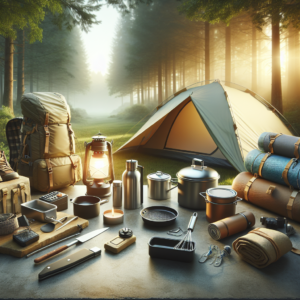
There are various methods for cooking over a campfire, including direct grilling, using a cast iron skillet or pot, and utilizing foil packets.
Direct Grilling involves placing food directly over the flames or hot coals. This method is ideal for cooking items like hot dogs, sausages, or skewered vegetables.
Cast Iron Cooking utilizes a skillet or pot to prepare meals over the fire. Cast iron retains heat well and is perfect for cooking stews, frying eggs, or making pancakes.
Foil Packet Cooking involves wrapping food in aluminum foil and placing it on the hot coals. This method is excellent for cooking fish, potatoes, or mixed vegetables.
Managing Heat
Successfully cooking over a campfire requires managing the heat. Adjust the intensity of the flames by adding or removing wood. For even cooking, create a bed of coals by letting the wood burn down, providing a consistent heat source.
Campfire Safety and Considerations
While campfires are beneficial, they also come with responsibilities. Understanding and adhering to campfire safety guidelines is crucial to prevent accidents and protect the environment.
Leave No Trace
Practice the Leave No Trace principles by minimizing your campfire’s impact on the environment. Use established fire rings if available, or create a fire pit using rocks. Avoid using live trees or branches for fuel, and always clean up your site before leaving.
Fire Restrictions
Be aware of fire restrictions in the area where you’re camping. During dry seasons, fire bans may be in place to prevent wildfires. Check with local authorities or park services for current regulations and respect any restrictions.
Conclusion
Mastering essential campfire skills is a vital aspect of outdoor survival. By understanding the basics of fire, building and maintaining a campfire, cooking effectively, and adhering to safety guidelines, you can enjoy the warmth and comfort of a campfire while minimizing risks. Whether you’re a seasoned outdoors enthusiast or a novice camper, these skills will enhance your wilderness experience and ensure a safe and enjoyable adventure.
#ChatGPT assisted in the creation of this article.





Post Comment