Mastering Camping Weather Survival: Expert Tips Inside

Camping can be one of the most rewarding outdoor activities, offering an escape from the hustle and bustle of daily life and a chance to reconnect with nature. However, the weather can be unpredictable, and being unprepared can quickly turn a fun adventure into a challenging ordeal. Mastering camping weather survival is essential for ensuring safety and enjoying your trip to the fullest. This article offers expert tips and strategies to help you prepare for and handle various weather conditions while camping.
Understanding Weather Patterns
Before you head out on your camping trip, it’s crucial to understand the weather patterns of the area you plan to visit. Research the typical conditions for the time of year and monitor forecasts leading up to your departure. Knowing what to expect helps you pack appropriately and make informed decisions about your trip.
Researching Local Climate
Familiarize yourself with the local climate and weather patterns of your camping destination. Websites like the National Weather Service or local meteorological services provide valuable historical data and forecasts. Look for information on seasonal temperature ranges, precipitation patterns, and potential weather hazards such as thunderstorms or extreme temperatures.
Monitoring Weather Updates
Stay informed of the weather conditions by checking forecasts regularly before and during your trip. Utilize weather apps or portable weather radios to receive real-time updates. Being aware of sudden changes in weather can help you adjust your plans accordingly, ensuring your safety and comfort.
Packing for Weather Survival
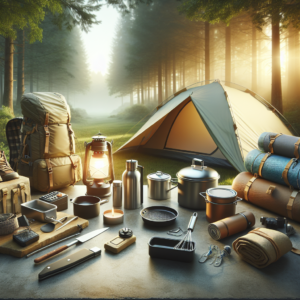
Packing the right gear is crucial for weather survival while camping. Your packing list should account for the worst-case scenario, ensuring you are prepared for any weather conditions you might encounter.
Clothing
Layering is key when it comes to camping clothing. Pack moisture-wicking base layers to keep sweat away from your body. Insulating layers such as fleece or down are ideal for retaining body heat, and a waterproof and windproof outer layer will protect you from rain and wind. Don’t forget a hat, gloves, and extra socks, as extremities are most susceptible to cold.
Shelter
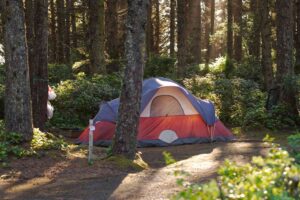
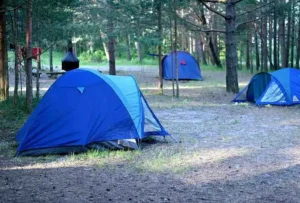
Choose a tent that can withstand the weather conditions you anticipate. A three-season tent is suitable for spring, summer, and fall, while a four-season tent is designed for harsh winter conditions. Ensure your tent is equipped with a rainfly and stakes for added stability. A ground tarp can prevent moisture from seeping into your tent, keeping you dry.
Sleeping Gear
Your sleep system plays a vital role in weather survival. A sleeping bag rated for the coldest temperature you might experience is essential. Consider a sleeping bag liner for additional warmth. An insulated sleeping pad will provide cushioning and prevent heat loss to the ground.
Weather-Specific Survival Tips
Different weather conditions present unique challenges while camping. Here are expert tips for surviving some of the most common weather scenarios you may encounter.
Cold Weather Camping
Cold weather camping requires careful preparation to prevent hypothermia and frostbite. Dress in layers and stay dry, as wet clothing accelerates heat loss. Prepare hot meals and drinks to maintain your core temperature. Use hand warmers and consider a hot water bottle in your sleeping bag to keep warm overnight.
Hot Weather Camping
In hot weather, dehydration and heat exhaustion are significant risks. Stay hydrated by drinking plenty of water and consuming electrolyte-rich foods. Set up camp in shaded areas and avoid physical exertion during the hottest parts of the day. Wear light, breathable clothing and apply sunscreen regularly to protect against sunburn.
Rainy Weather Camping
Rain can dampen spirits and gear if not managed properly. Ensure your tent is waterproof and sealed against leaks. Set up camp on higher ground to avoid flooding and use a tarp or canopy for a dry communal area. Pack quick-dry clothing and store gear in waterproof bags to keep everything dry.
Stormy Weather Camping
Thunderstorms and high winds can pose serious threats while camping. Avoid tall trees and open fields during storms to reduce lightning strike risk. Secure your tent and gear with extra stakes and guylines. If a severe storm is forecast, consider packing up and taking shelter in a safer location.
Emergency Preparedness
Despite careful planning, emergencies can still occur. Being prepared for unexpected situations is crucial for camping weather survival.
First Aid Kit
Carry a well-stocked first aid kit that includes essentials like bandages, antiseptic wipes, and medications. Familiarize yourself with basic first aid procedures to handle minor injuries. In case of severe weather-induced injuries, seek medical assistance as soon as possible.
Emergency Communication
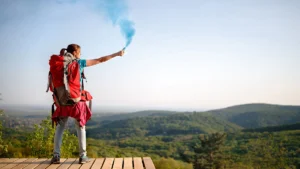
Ensure you have a reliable means of communication in case of emergencies. A fully charged phone with a portable power bank is essential. In areas with poor reception, a satellite phone or personal locator beacon can be lifesaving. Share your itinerary with someone you trust, so they know when and where to expect you back.
Conclusion
Mastering camping weather survival is about preparation, adaptability, and knowing how to handle the elements safely. By understanding the weather patterns, packing the right gear, and following weather-specific survival tips, you can enhance your camping experience and ensure the safety of yourself and your companions. Whether it’s braving the cold or staying cool in the heat, being prepared for any weather condition is the key to a successful and enjoyable camping adventure.



Post Comment