Master Wilderness Navigation: Essential Tips for Success
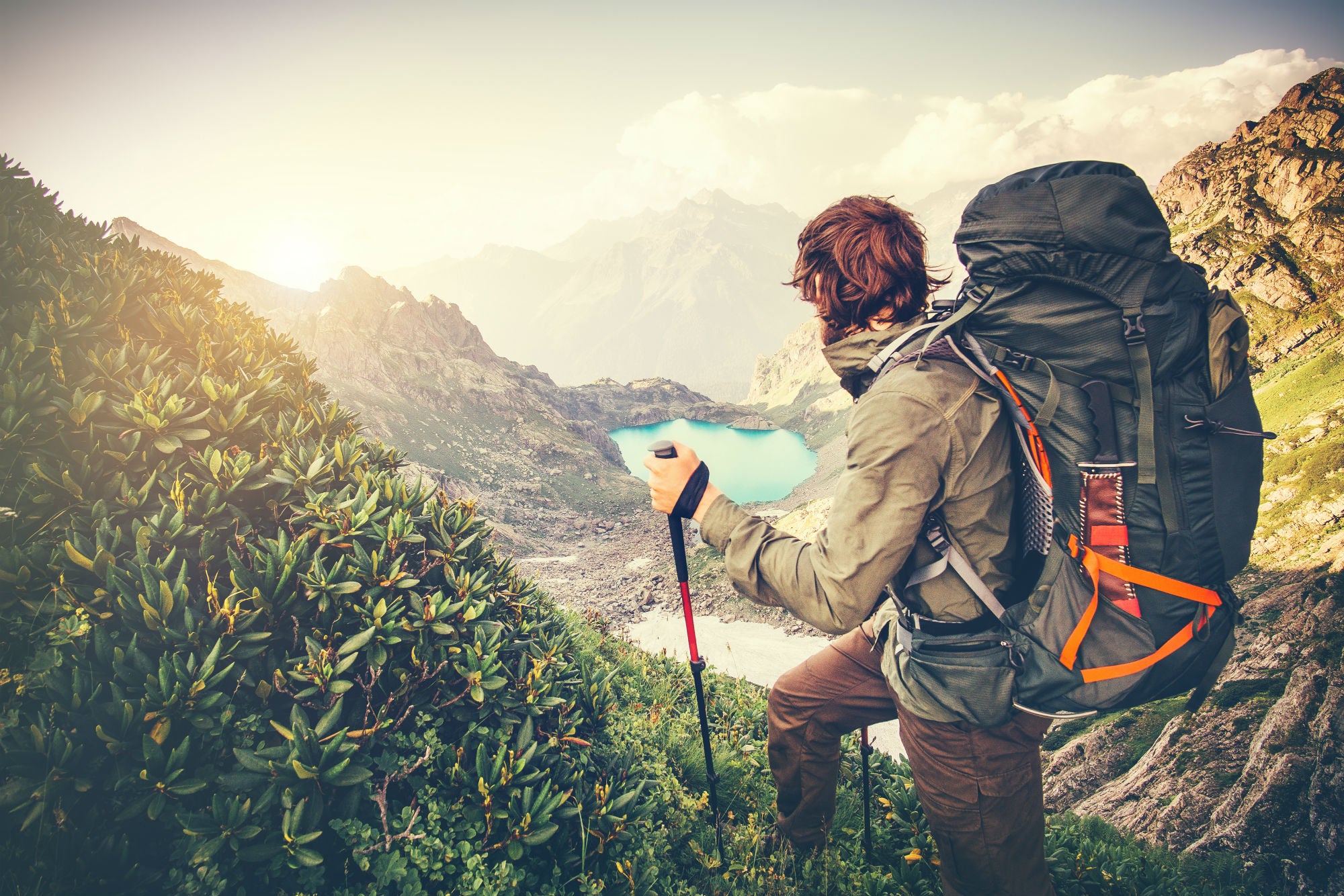
Navigating through the wilderness is a fundamental skill for any outdoor enthusiast. Whether you’re an avid hiker, a seasoned backpacker, or a novice explorer, mastering wilderness navigation is crucial for ensuring safety and enhancing your outdoor experience. This article will guide you through essential tips and techniques to help you become proficient in navigating the wild.
The Importance of Navigation Skills
In our technology-driven world, it’s easy to rely on GPS devices and smartphones for navigation. However, technology can fail, batteries can die, and signals can be lost. When you’re deep in the wilderness, relying solely on electronic devices can be risky. Traditional navigation skills are timeless and reliable, providing you with the confidence to explore off the beaten path and handle unexpected situations.
Understanding Maps and Compasses
Maps and compasses are the backbone of wilderness navigation. A map provides a bird’s-eye view of the terrain, while a compass helps you find your direction. Together, they form an indispensable duo for navigation.
Reading Topographic Maps
Topographic maps are detailed and show the terrain’s features, including elevation changes, bodies of water, trails, and landmarks. Learning to read these maps involves understanding contour lines, which indicate the shape and elevation of the land. Closely spaced contour lines represent steep terrain, while widely spaced lines indicate flatter areas. Familiarize yourself with the map’s legend and scale to interpret the symbols and distances accurately.
Using a Compass
A compass is a simple yet powerful tool for finding your way. To use a compass effectively, you need to understand its components: the baseplate, the rotating bezel, and the magnetic needle. The bezel is marked with degrees from 0 to 360°, which correspond to directions on the map. By aligning the compass needle with the north on the bezel, you can determine your heading and follow a specific direction.
Establishing Your Position
Knowing your current location is crucial for successful navigation. There are several methods to establish your position in the wilderness.
Using Landmarks
Landmarks are natural or man-made features that are easily recognizable and can help you determine your position. Mountains, rivers, and large trees are examples of natural landmarks, while buildings or towers can serve as man-made ones. By identifying landmarks and cross-referencing them with your map, you can pinpoint your location.
Triangulation
Triangulation is a technique that involves taking bearings to at least two known points from your location. By drawing lines on your map from these points at the angles you measure, the intersection of these lines will indicate your approximate position. This method is especially useful in areas with few distinct landmarks.
Plotting Your Course
Once you know your position, the next step is to plot your course toward your destination. This involves selecting the most efficient and safe route.
Choosing a Route
Consider the terrain, weather conditions, and your physical abilities when choosing a route. Flatter, well-marked trails are ideal for beginners, while more experienced navigators might opt for challenging off-trail routes. Always consider the time required for your journey and plan accordingly to avoid being caught out in the dark.
Using Bearings
A bearing is the direction from your current position to your destination, expressed in degrees. To follow a bearing, align your compass with the map and rotate the bezel to the desired degree. Then, turn your body until the magnetic needle aligns with the north on the bezel. This will point you in the correct direction.
Practicing Situational Awareness
Situational awareness is the ability to understand your surroundings and anticipate potential challenges. It plays a crucial role in wilderness navigation.
Observing Your Environment
Continuously observe your surroundings as you navigate. Pay attention to changes in the terrain, weather, and landmarks. Regularly check your map and compass to ensure you are on the right track. Make note of any potential hazards, such as steep cliffs or water crossings, and adjust your route accordingly.
Adapting to Changing Conditions
The wilderness environment can change rapidly, and adaptability is key to successful navigation. Weather conditions, daylight hours, and terrain can all impact your journey. Be prepared to adjust your plans if necessary, and always have a contingency route or plan in place.
Utilizing Modern Technology
While traditional navigation skills are essential, modern technology can enhance your navigation experience and provide additional safety measures.
GPS Devices
GPS devices offer precise location data and can be extremely useful, especially in areas with limited landmarks. However, they should never replace traditional skills entirely. Use a GPS as a supplementary tool and ensure you have spare batteries or a power source.
Smartphone Apps
There are numerous apps available for smartphones that provide offline maps and GPS functionality. Ensure you download maps for your area before heading out, and keep your phone in a waterproof pouch to protect it from the elements.
Safety and Preparedness
Safety should always be your top priority when navigating the wilderness. Proper preparation can prevent accidents and ensure a successful journey.
Inform Others of Your Plans
Before heading out, inform a friend or family member of your plans, including your intended route and estimated return time. This way, if something goes wrong, there will be someone who knows where to look for you.
Carry Essential Gear
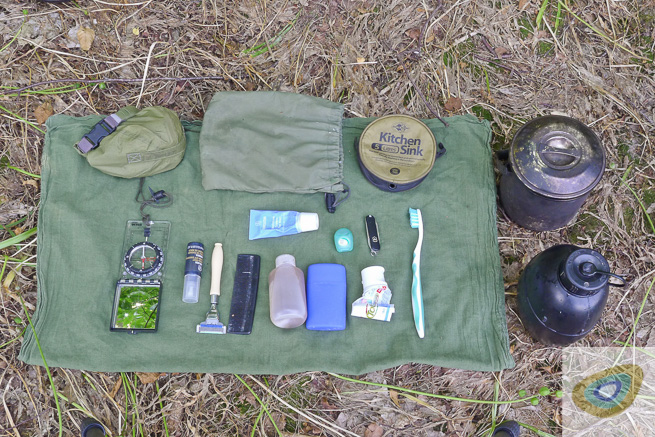
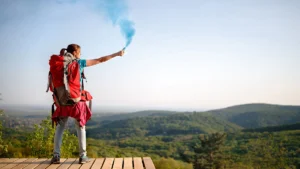
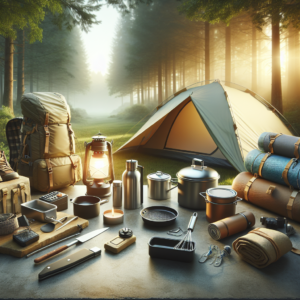
Always carry essential gear, including a map, compass, GPS, extra food and water, a first aid kit, and appropriate clothing for changing weather conditions. A whistle and signal mirror can also be valuable for attracting attention in an emergency.
Conclusion
Mastering wilderness navigation is a rewarding skill that opens up a world of exploration and adventure. By understanding and practicing traditional navigation techniques, supplemented by modern technology, you can safely and confidently navigate the wild. Remember, preparation, situational awareness, and a respect for nature are key components to a successful wilderness experience. So, grab your map and compass, and embark on your next great adventure with confidence.



Post Comment