Master Outdoor Signaling: Essential Techniques for Survival
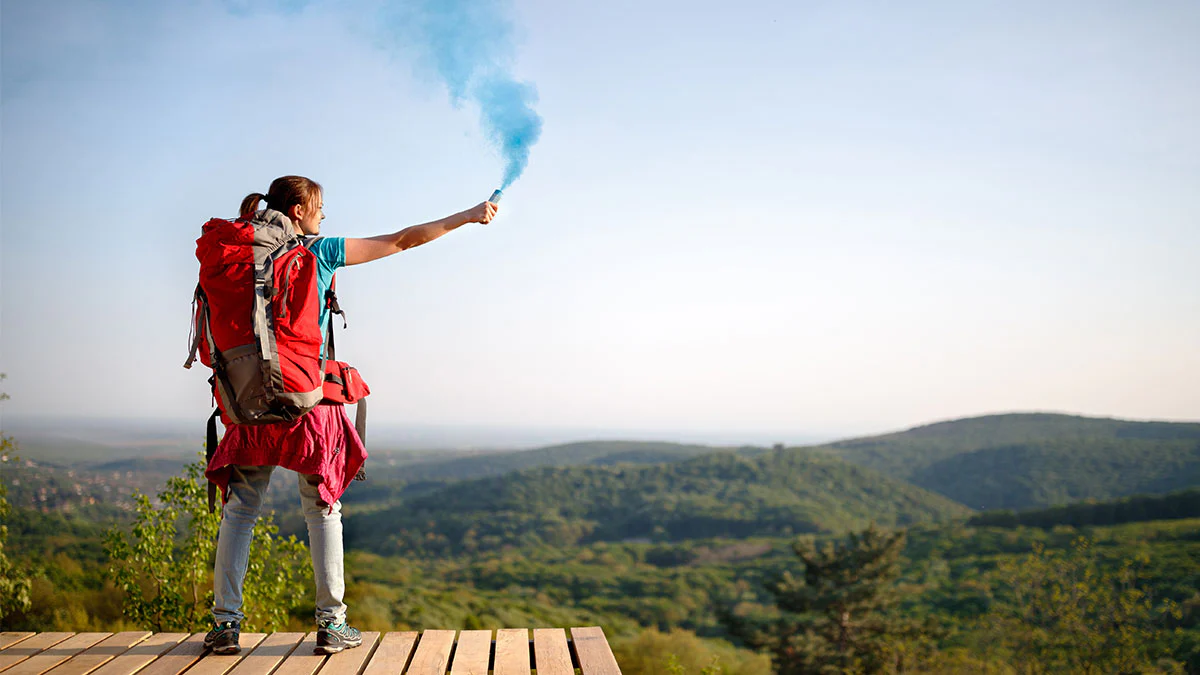
Venturing into the great outdoors can be an exhilarating experience, offering a refreshing escape from the hustle and bustle of everyday life. However, nature’s unpredictability means that even the most seasoned adventurers can find themselves in unexpected situations. One of the most crucial skills in such scenarios is the ability to signal for help effectively. In this article, we will explore essential outdoor signaling techniques that could make all the difference in a survival situation.
The Importance of Signaling in Survival Situations
When stranded or lost in the wilderness, signaling is your lifeline to rescue. It increases your chances of being located by search and rescue teams or passersby. Effective signaling can be the difference between a quick rescue and a prolonged survival ordeal. Understanding and mastering various signaling techniques ensures that you are prepared for any eventuality.
Visual Signaling Techniques
Visual signals are among the most effective methods of attracting attention due to their ability to be seen from great distances. Here are some key techniques to master:
Signal Mirrors
Signal mirrors are compact, lightweight, and highly effective for long-distance signaling. By reflecting sunlight towards a target, you can create a flash that can be seen from miles away. To use a signal mirror:
- Hold the mirror with one hand, keeping it steady.
- Use the other hand to create a V with your fingers and sight the target through it.
- Adjust the mirror so that sunlight reflects onto your fingers and the target simultaneously.
- Move the mirror back and forth to create flashes, which are more likely to catch attention.
Fire and Smoke Signals
Fire is not only a source of warmth and cooking but also a powerful signaling tool. During the day, smoke signals can be created using a smoky fire, while at night, the fire itself serves as a beacon.
- Build three fires in a triangle or straight line, which is an internationally recognized distress signal.
- To create smoke during the day, add green leaves, grass, or other damp vegetation to the fire.
- At night, keep the fires burning brightly to maximize visibility.
Flares
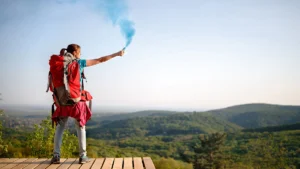
Flares are effective in both day and night conditions, providing a bright and noticeable signal. Always carry a reliable set of flares in your survival kit and ensure you know how to use them safely. Remember to follow the manufacturer’s instructions and check expiration dates regularly.
Ground-to-Air Signals
Creating large, visible symbols on the ground can catch the attention of aircraft. Use rocks, logs, or other natural materials to form symbols such as the international distress signal “SOS” or large arrows pointing to your location. Ensure the symbols contrast with the surrounding environment and are large enough to be noticed from the air.
Auditory Signaling Techniques
Sound travels farther than visuals in dense environments like forests or jungles. Here are some effective auditory signaling techniques:
Whistles
A whistle is a simple yet powerful tool for signaling. Its high-pitched sound carries over long distances and is less likely to be mistaken for natural noises. In distress situations, use a whistle to blow three short blasts, pause, and then repeat. This is an internationally recognized distress signal.
Shouting
While shouting may seem like an obvious choice, it requires significant energy and can strain your voice quickly. Use shouting sparingly and focus on clear, distinct calls for help. Pair shouting with other signaling methods to maximize effectiveness.
Electronic Signaling Devices
Modern technology provides several electronic devices that can be lifesaving in a survival situation. While these tools require batteries or charging, they offer reliable ways to signal for help:
Personal Locator Beacons (PLBs)
PLBs are compact devices that transmit a distress signal to a global satellite network. Upon activation, they send your location to rescue services, drastically increasing the chances of a swift rescue. Ensure your PLB is registered and familiarize yourself with its operation.
Satellite Phones
Satellite phones provide a direct line of communication with emergency services, regardless of your location. They can be invaluable in remote areas where regular cell service is unavailable. Keep your satellite phone charged and store important contact numbers for quick access.
Ensuring Success in Signaling
To maximize the effectiveness of your signaling efforts, consider the following tips:
Practice and Familiarization
Regularly practice using your signaling tools and techniques. Familiarity with their operation can save valuable time in an emergency. Conduct drills to simulate real-world scenarios and refine your skills.
Know Your Environment
Different environments present unique challenges for signaling. Understand the terrain and weather conditions of your location to tailor your signaling strategy. For example, dense forests may require more auditory signals, while open areas allow for effective visual signals.
Conserve Energy
In a survival situation, conserving energy is crucial. Choose signaling methods that require minimal effort but provide maximum impact. Combine methods to increase visibility and audibility without exhausting yourself.
Conclusion
Mastering outdoor signaling techniques is an essential skill for anyone venturing into the wilderness. Whether you’re a seasoned adventurer or a casual hiker, understanding and practicing these methods ensures you’re prepared for unexpected emergencies. Remember, the key to successful signaling lies in preparation, practice, and presence of mind. Equip yourself with the knowledge and tools needed to make your presence known and increase your chances of a safe and swift rescue.
Final Thoughts
While the thought of a survival situation may be daunting, being equipped with the right signaling techniques can instill confidence and increase your chances of a positive outcome. Prioritize your safety by including signaling tools in your survival kit and continuously honing your skills. In the vastness of the great outdoors, being able to communicate your need for help is not just a skill—it’s a necessity.


Post Comment