Master Outdoor Shelter Building: Essential Survival Guide
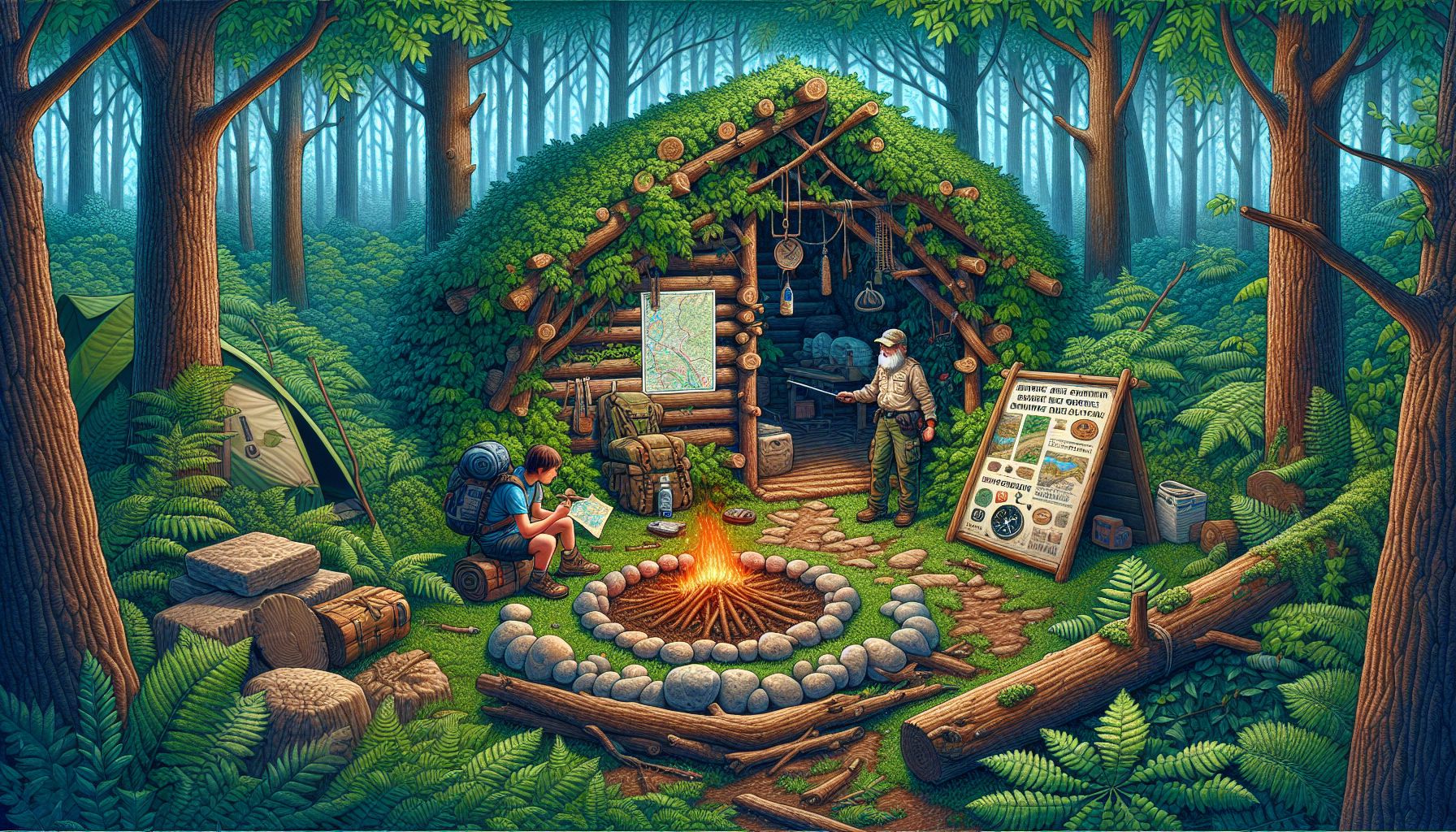
In the realm of survival, mastering the art of building an outdoor shelter is an essential skill. Whether you’re an adventurer, a hiker, or simply someone who enjoys the great outdoors, knowing how to construct a reliable shelter can mean the difference between comfort and hardship, or even survival and peril. This guide aims to equip you with the knowledge and techniques necessary to build effective shelters in various environments using available materials.
Understanding the Basics of Shelter Building
The primary purpose of a shelter is to provide protection from the elements, such as wind, rain, snow, and extreme temperatures. A well-built shelter can also offer safety from wildlife and insects, as well as a sense of security and comfort in the wilderness. When planning to build a shelter, consider the available resources, the weather conditions, and the duration of your stay.
Site Selection: Choosing the Right Location
The first step in building a shelter is choosing the right location. Here are some important factors to consider:
- Terrain: Look for flat ground that is elevated to prevent water pooling during rain. Avoid valleys and low-lying areas.
- Natural Protection: Utilize natural features like rock formations, trees, or bushes that can provide additional protection from the wind and rain.
- Proximity to Resources: Ensure your site is near resources such as water and firewood, but not too close to potential hazards like falling branches or rockslides.
- Safety: Avoid areas with signs of animal activity, such as tracks or droppings. Stay away from insect nests or hives.
Types of Outdoor Shelters
There are various types of shelters you can construct depending on the materials available and the environment. Here are some of the most common ones:
Lean-To Shelter
The lean-to is one of the simplest and most effective shelters. It consists of a slanted roof supported by a central beam, with one side open. To build a lean-to, select two sturdy trees or use stakes driven into the ground. Lay a long branch or pole across as the ridgepole, then lean smaller branches against it at an angle. Cover the structure with branches, leaves, or a tarp for insulation and protection.
A-Frame Shelter
The A-frame shelter is more enclosed than a lean-to, offering better protection against the elements. To build an A-frame, create a triangular structure with two long branches as the sides and a ridgepole at the top, forming an “A” shape. Cover the sides with foliage, tarp, or debris to provide insulation and weatherproofing.
Debris Hut
A debris hut is an excellent option in a forested area with abundant natural materials. Start by constructing a simple frame using a central ridgepole supported by a forked stick or tree. Lean smaller branches along both sides of the ridgepole, creating a tent-like shape. Cover the frame with a thick layer of leaves, grass, and debris for insulation and camouflage.
Tarp Shelter
If you have a tarp or poncho, you can quickly construct a versatile shelter. The simplest form is the tarp lean-to, where you tie the tarp between two trees or poles, securing it at an angle to provide both roof and wall. Experiment with different configurations, such as the plow point or diamond fly, to adapt to various weather conditions.
Essential Materials and Tools
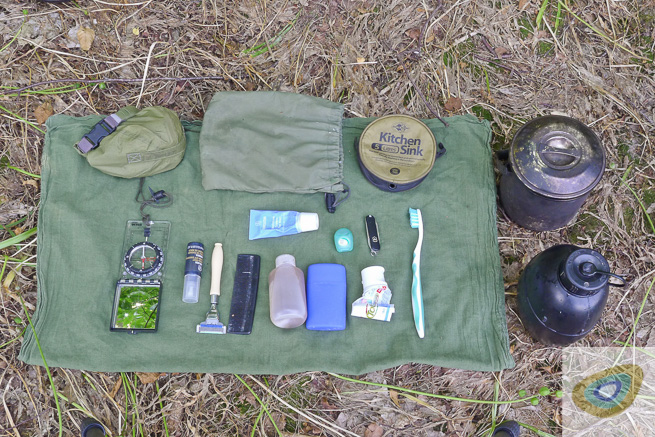
While the wilderness offers a plethora of natural materials, having some basic tools and supplies can significantly ease the shelter-building process. Here’s a list of useful items to consider carrying:
- Knife: A sturdy knife is indispensable for cutting branches, rope, and other materials.
- Rope or Cordage: Essential for securing structural elements and tying knots.
- Tarp or Emergency Blanket: Provides quick shelter and insulation.
- Axe or Hatchet: Useful for chopping wood and clearing brush.
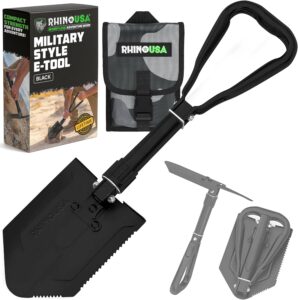
- Shovel: Handy for leveling ground or digging drainage trenches.
Weather Considerations and Adaptations
Weather conditions greatly influence the type of shelter you should build. Here are some adaptations to consider:
Cold Weather Shelters
In cold environments, focus on insulation and minimizing heat loss. Double up on debris layers or use snow to create igloo-like structures. Ensure the entrance faces away from the wind and incorporate a small doorway to retain heat.
Rainy Weather Shelters
In wet conditions, emphasize waterproofing. Use tarps, ponchos, or large leaves to cover the shelter. Elevate the bed area using logs or rocks to avoid ground moisture. Dig small trenches around the shelter to direct water away.
Hot Weather Shelters
In hot climates, prioritize ventilation and shade. Opt for open designs like the lean-to, and use lighter materials. Position your shelter to take advantage of natural breezes and consider building it near water sources to stay cool.
Building a Fire for Warmth and Safety
A fire is an essential component of survival, providing warmth, light, and a means to cook food and purify water. When building a shelter, ensure there’s space for a safe and efficient fire setup. Use rocks to create a fire ring and clear the area of flammable materials. Familiarize yourself with different fire-starting techniques, such as using matches, a lighter, or a fire starter kit.
Emergency Situations: Quick Shelter Solutions
In emergency situations where time and resources are limited, prioritize speed and efficiency. Use materials like emergency blankets or ponchos to create quick shelters. Utilize natural features like caves or overhangs for immediate protection. Focus on building a fire and signal for rescue if necessary.
Practicing Leave No Trace Principles
When building shelters in the wilderness, it’s important to minimize your impact on the environment. Follow Leave No Trace principles by dismantling temporary shelters before leaving, scattering natural materials, and avoiding damage to live trees or plants. Respect wildlife and fellow adventurers by leaving the area as you found it.
Conclusion: Mastering the Art of Shelter Building
Building an effective outdoor shelter is a crucial skill for anyone venturing into the wilderness. By understanding the principles of site selection, shelter types, and adaptations for various weather conditions, you can increase your chances of surviving and thriving in the great outdoors. Remember to carry essential tools, practice safety measures, and respect the environment. With experience and practice, you’ll become adept at constructing shelters that offer protection, comfort, and peace of mind in any survival situation.











Post Comment