Master Essential Survival Knife Skills for Outdoor Success
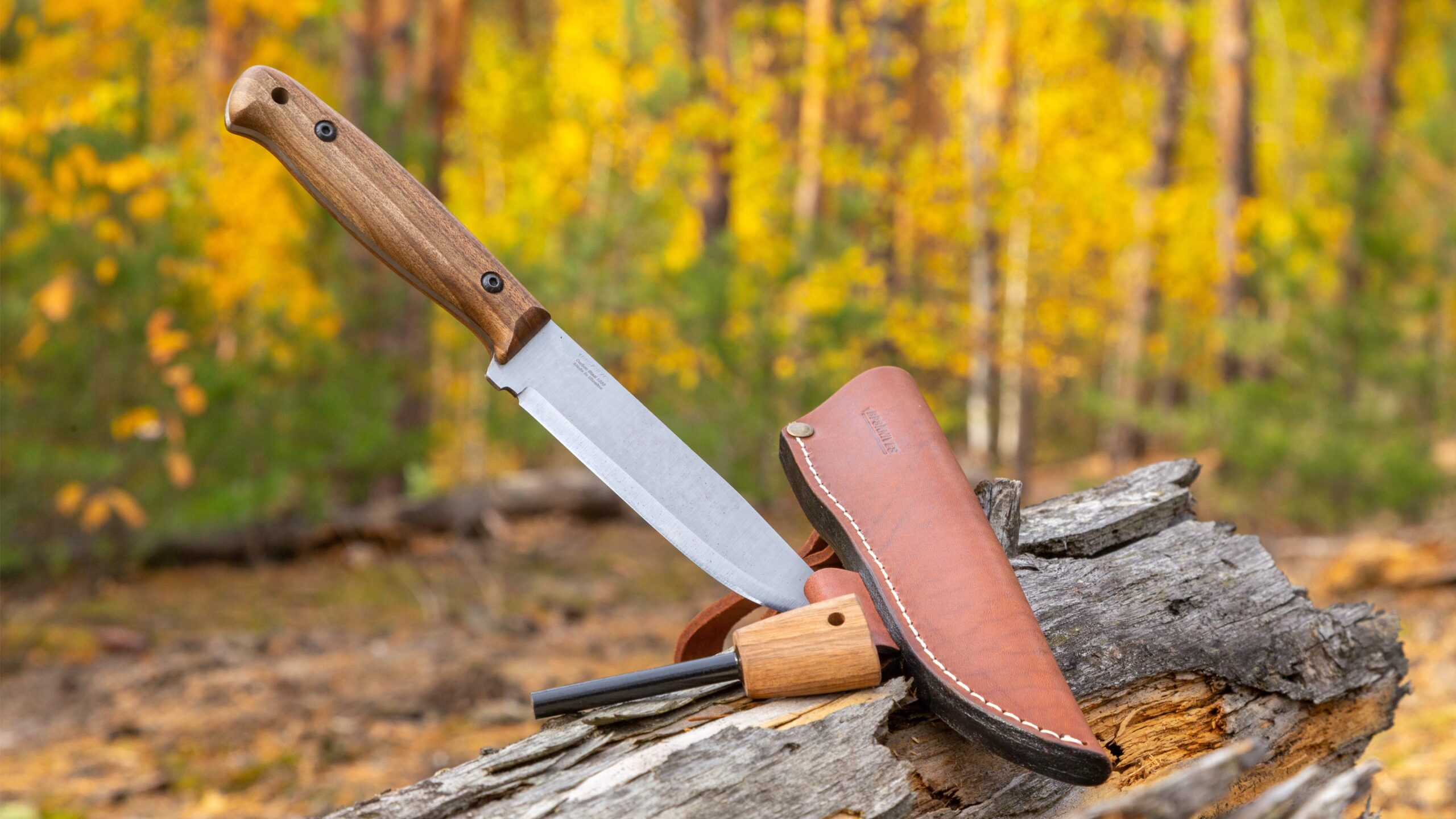
Venturing into the great outdoors can be an exhilarating experience, but it also comes with its own set of challenges. Whether you’re hiking, camping, or in a survival situation, having a reliable survival knife and knowing how to use it can make all the difference. This article will guide you through mastering essential survival knife skills, ensuring you’re prepared for any outdoor adventure.
Choosing the Right Survival Knife
Before diving into the skills, it’s crucial to select the right knife. A good survival knife should be robust, versatile, and easy to handle. Here are some factors to consider:
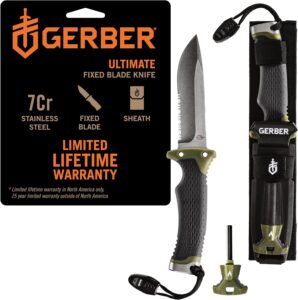
– **Blade Material**: Opt for high-carbon stainless steel for durability and resistance to rust.
– **Blade Type**: A fixed blade is generally stronger than a folding knife, making it more reliable for survival tasks.
– **Blade Size**: A blade length between 4 to 6 inches is ideal for most tasks.
– **Handle**: Look for a comfortable grip, ideally with a non-slip material.
Essential Knife Skills
Knife Safety Basics
Before using your knife, it’s important to understand basic safety protocols:
– **Maintain Focus**: Always be aware of your surroundings and concentrate on the task at hand.
– **Sharpness is Key**: A sharp knife is safer than a dull one. Regularly sharpen your blade to maintain its edge.
– **Proper Grip**: Use a firm grip, keeping your fingers away from the blade.
– **Cut Away from Your Body**: Always direct the blade away from yourself to avoid accidents.
Wood Processing Skills
Wood processing is a fundamental skill in any survival situation, whether for building shelter, making tools, or starting a fire.
**Batoning**: This technique involves splitting wood by striking the back of the knife with another piece of wood.
1. Place the knife on the wood piece.
2. Use a sturdy stick to strike the spine of the knife, driving it through the wood.
3. Continue until the wood splits.
**Feather Sticking**: A critical skill for starting fires, feather sticking involves shaving thin curls from a stick.
1. Select a dry piece of wood.
2. Hold the stick firmly and carve thin, curled shavings using controlled, downward strokes.
3. Ensure the shavings remain attached to the stick for easier ignition.
Crafting Tools and Traps
Using your knife to craft tools and traps can be essential for survival, providing means to hunt or fish for food.
**Making a Spear**:
1. Select a straight, sturdy branch.
2. Carve the end to a point using your knife.
3. Harden the point by lightly charring it over a fire.
**Building a Snare Trap**:
1. Use your knife to cut a length of wire or cord.
2. Create a small loop at one end and thread the other end through it to form a noose.
3. Secure the snare to a tree and position it on an animal trail.
Food Preparation Skills
In survival scenarios, efficiently preparing food is vital for sustenance.
**Cleaning Fish**:
1. Hold the fish by the tail and use your knife to scrape off the scales.
2. Make a shallow cut along the belly from tail to head.
3. Remove the entrails and rinse the fish thoroughly.
**Field Dressing Game**:
1. Make a small incision just below the animal’s sternum.
2. Carefully extend the cut down to the pelvis, avoiding puncturing the intestines.
3. Remove the entrails, ensuring you separate the edible organs.
Fire Starting Techniques
A survival knife can be invaluable in fire starting, crucial for warmth, cooking, and signaling for help.
**Striking a Ferro Rod**:
1. Hold the ferro rod close to your tinder.
2. Firmly scrape the rod with the knife spine to generate sparks.
3. Aim the sparks toward the tinder to ignite it.
**Creating a Tinder Bundle**:
1. Use your knife to shave bark or wood into fine, dry shavings.
2. Form the shavings into a nest-like bundle.
3. Use this bundle as the base for starting your fire.
Maintaining Your Knife
Keeping your knife in optimal condition ensures its reliability when you need it most.
– **Regular Sharpening**: Use a whetstone or sharpening tool to maintain a sharp edge.
– **Cleaning**: After use, especially when processing food, clean your knife with water and dry it thoroughly.
– **Oiling**: Lightly oil the blade to prevent rust, particularly if your knife is made from high-carbon steel.
Conclusion
Mastering essential survival knife skills is a critical component of outdoor success. From selecting the right knife to honing your proficiency in various tasks, these skills empower you to navigate and thrive in the wilderness. By continually practicing and respecting the tools and environment, you’ll enhance your outdoor experience and ensure preparedness for any challenge nature may present.
Final Thoughts
Remember, a survival knife is more than just a tool; it’s an extension of your capability to sustain and protect yourself in the wild. Embrace the journey of learning and refining these skills, and you’ll be well-equipped to handle whatever the great outdoors throws your way.








Post Comment