Master Essential Survival Camping Skills for Ultimate Adventure

Embarking on an outdoor adventure can be one of the most rewarding experiences, offering a chance to reconnect with nature, test your limits, and find solitude away from the hustle and bustle of everyday life. However, to ensure a safe and enjoyable experience, mastering essential survival camping skills is crucial. This article will guide you through the vital skills needed to turn your outdoor escapade into the ultimate adventure.
Choosing the Right Gear
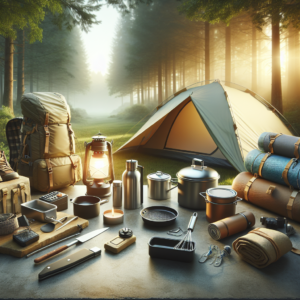
The foundation of any successful camping trip lies in selecting the appropriate gear. Your equipment not only ensures comfort but can be a lifesaver in challenging situations.
Backpack
Invest in a high-quality backpack that suits the duration and intensity of your trip. Look for a pack that offers a balance of durability and comfort, with adjustable straps and a supportive frame.
Shelter
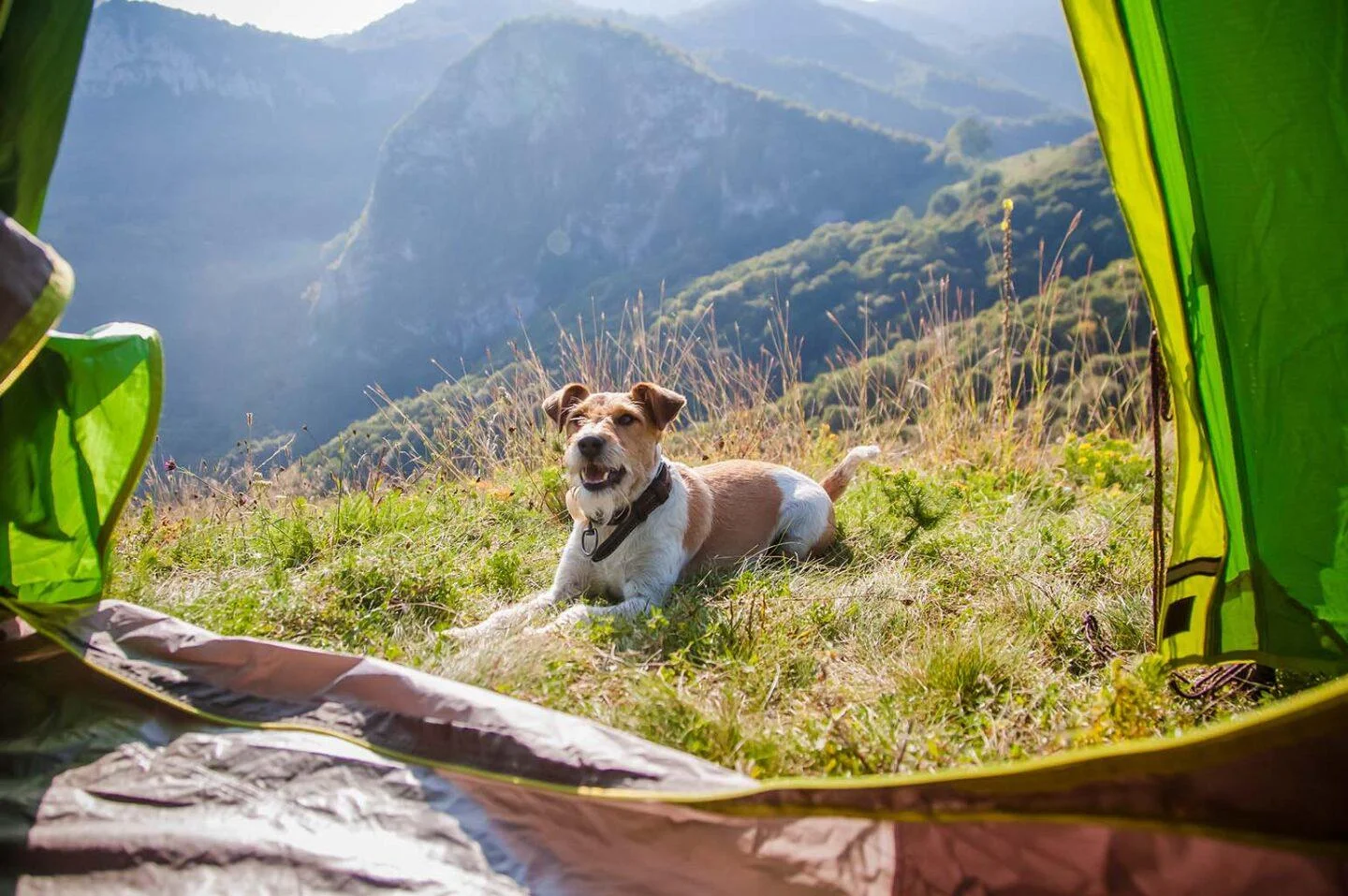
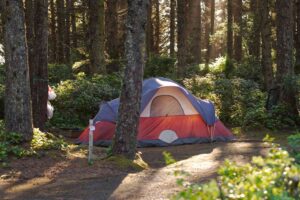
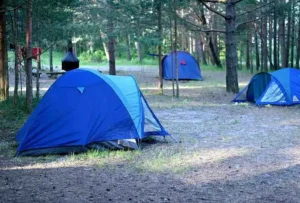
Your shelter is your protection against the elements. Choose a tent that suits the weather conditions of your destination. A lightweight, waterproof, and easy-to-assemble tent is ideal for most adventures.
Clothing
Dressing in layers is the key to staying comfortable. Start with a moisture-wicking base layer, add an insulating middle layer, and finish with a waterproof and windproof outer layer. Don’t forget a hat and gloves for added protection.
Navigation Skills
Even in today’s world of GPS and smartphones, traditional navigation skills remain indispensable.
Map and Compass
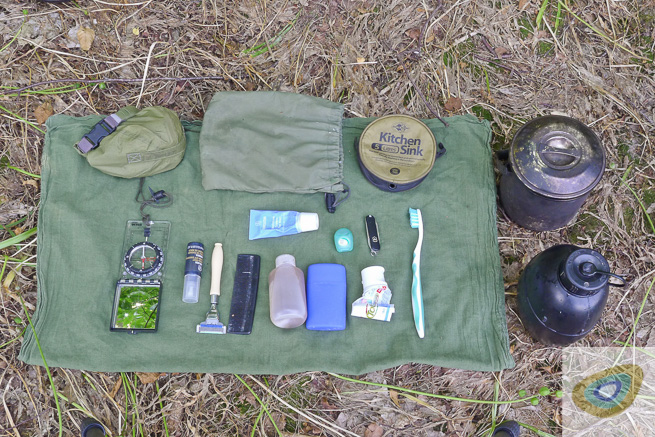
Learn to read topographic maps and use a compass. These tools are reliable and don’t rely on batteries or signal. Practice triangulation and orienting to ensure you can find your way even if technology fails.
Natural Navigation
Understanding natural navigation techniques, such as using the sun, stars, and landmarks, can be a great backup. Learn how to use these natural cues to guide you when traditional tools are unavailable.
Firecraft
Fire serves multiple purposes: warmth, cooking, signaling, and morale. Being proficient in firecraft is a cornerstone of survival skills.
Building a Fire
Master the art of building a fire in various conditions. Know how to gather dry tinder and kindling, even in wet environments, and practice different fire lays like teepee and log cabin structures for efficiency.
Fire Safety
Always prioritize safety. Clear a safe area, keep water or a fire extinguisher nearby, and never leave a fire unattended. Ensure the fire is completely out before leaving the site.
Water Sourcing and Purification
Water is paramount to survival. Understanding how to find and purify water can mean the difference between life and death.
Finding Water
Learn to identify natural water sources such as streams, rivers, and lakes. In arid areas, look for signs like animal tracks or lush vegetation that may indicate water.
Purification Methods
Always purify water before consumption. Boiling is the most reliable method, but portable filters and chemical treatments like iodine or chlorine tablets are also effective. Familiarize yourself with different methods and carry the necessary tools.
Food Procurement
While packing enough food is ideal, knowing how to procure food in the wild is a valuable skill.
Foraging
Learn to identify edible plants, berries, and nuts native to your camping area. Acquire a guidebook or take a course to ensure you can distinguish between safe and toxic species.
Fishing and Trapping
Fishing and small animal trapping can supplement your food supply. Pack basic fishing gear and learn to set traps and snares, keeping in mind the legal and ethical considerations of the area.
First Aid and Safety
Being prepared for injuries and emergencies is crucial in any camping scenario.
First Aid Kit
Carry a comprehensive first aid kit tailored to your needs. Include items like bandages, antiseptic wipes, pain relievers, and any personal medications. Regularly check and update your kit.
Emergency Procedures
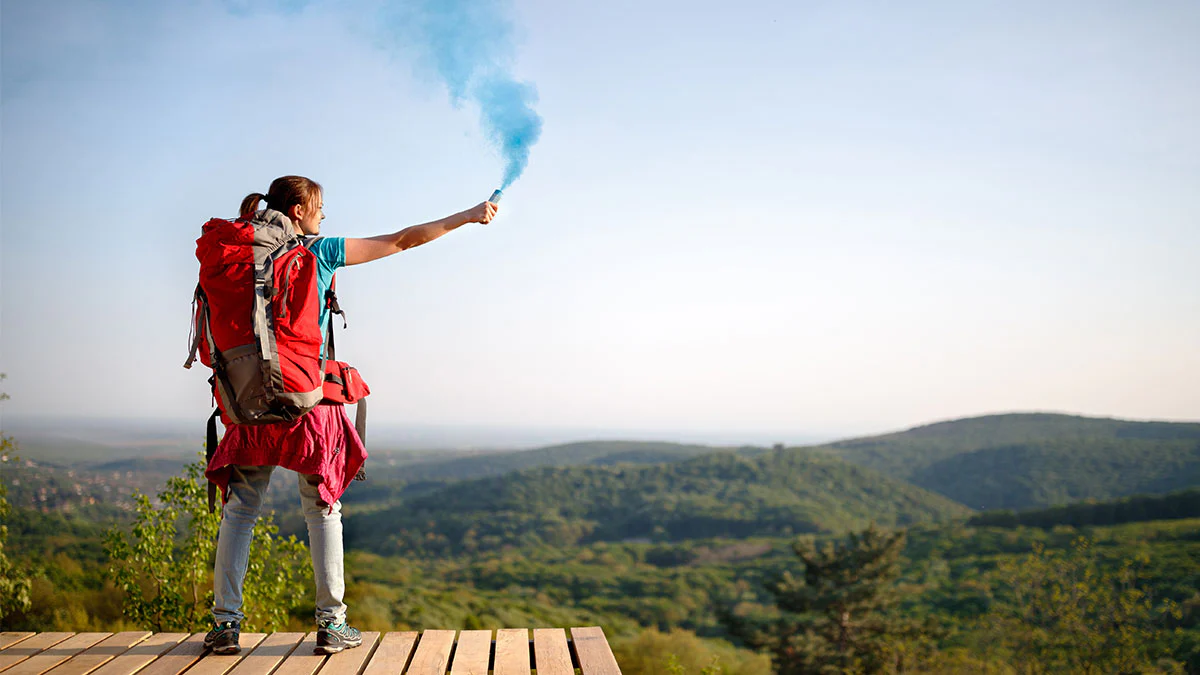
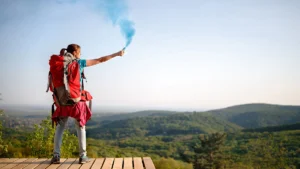
Have a plan for emergencies. Know how to signal for help using a whistle, mirror, or flashlight. Familiarize yourself with basic first aid procedures and consider taking a wilderness first aid course.
Leave No Trace Principles
Respecting nature is fundamental to sustainable camping practices.
Minimize Impact
Follow the Leave No Trace principles to minimize your impact on the environment. Pack out all trash, camp on durable surfaces, and respect wildlife. Leave nature as pristine as you found it.
Ethical Considerations
Understand and follow the regulations of the area you are visiting. Obtain any necessary permits, and be mindful of cultural and environmental sensitivities. Practicing responsible camping ensures these wild places remain available for future adventurers.
Psychological Preparedness
Survival is as much a mental challenge as it is physical.
Staying Calm
In stressful situations, maintaining a calm and focused mindset is crucial. Practice breathing techniques and mental exercises to help keep panic at bay.
Problem Solving
Adaptability and problem-solving are key survival traits. Challenge yourself with hypothetical scenarios and practice developing creative solutions to potential problems.
Conclusion
Mastering essential survival camping skills not only enhances your outdoor experience but also ensures your safety and well-being. By preparing thoroughly, respecting nature, and honing both physical and mental skills, you can embark on the ultimate adventure, ready to face any challenge the wilderness throws your way. Whether you’re a novice camper or an experienced outdoor enthusiast, these skills are vital for making every camping trip a safe, enjoyable, and memorable adventure.



Post Comment