Master Essential Outdoor Survival Skills for Any Adventure
Venturing into the great outdoors, whether for a day hike or a week-long expedition, can be a thrilling experience. However, it also comes with inherent risks. Understanding and mastering essential outdoor survival skills can make the difference between a safe adventure and a dangerous ordeal. This guide will provide you with the knowledge and skills needed to handle unexpected situations and ensure your safety while exploring the wilderness.
Planning and Preparation
Proper planning and preparation are the cornerstones of outdoor survival. Before setting out on any adventure, it’s crucial to research the area, understand the terrain, and recognize potential hazards. Here are key considerations:
Research Your Destination
Gather information about the location, including weather conditions, wildlife, trail difficulty, and local regulations. This knowledge will help you pack appropriately and anticipate challenges.
Pack the Essentials
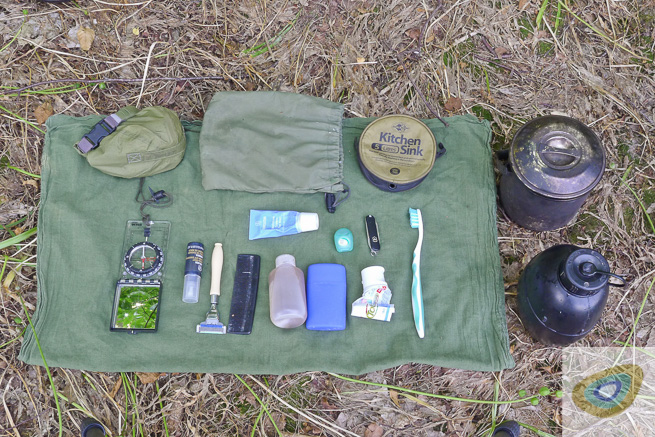
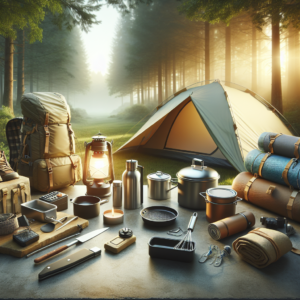
Ensure you have the ten essentials: navigation tools, sun protection, insulation, illumination, first-aid supplies, fire-starting tools, repair kit and tools, nutrition, hydration, and emergency shelter.
Inform Others
Always inform a trusted friend or family member about your plans, including your route, departure time, and expected return. This information will be vital if search and rescue teams need to locate you.
Navigation Skills
Getting lost is one of the most common dangers in the wilderness. Proficiency in navigation can prevent this and help you find your way if you stray off course.
Map and Compass Use
Even in the age of GPS, knowing how to read a topographic map and use a compass is essential. Practice orienting the map to the terrain, identifying landmarks, and plotting your course.
GPS and Smartphone Apps
While technology is useful, it should not replace traditional navigation skills. Always carry a map and compass as a backup. However, familiarize yourself with GPS devices and offline mapping apps that can aid in navigation.
Water Procurement
Water is crucial for survival, and finding a clean source is vital. Dehydration can quickly become life-threatening, especially in hot or arid environments.
Locating Water Sources
Learn to identify natural water sources such as streams, rivers, and lakes. In dry areas, observe the habits of animals, insects, and birds, which often lead to water.
Purification Techniques
Never drink untreated water. Use purification methods such as boiling, filtration, chemical treatment, or UV light devices to make water safe for consumption.
Fire Building
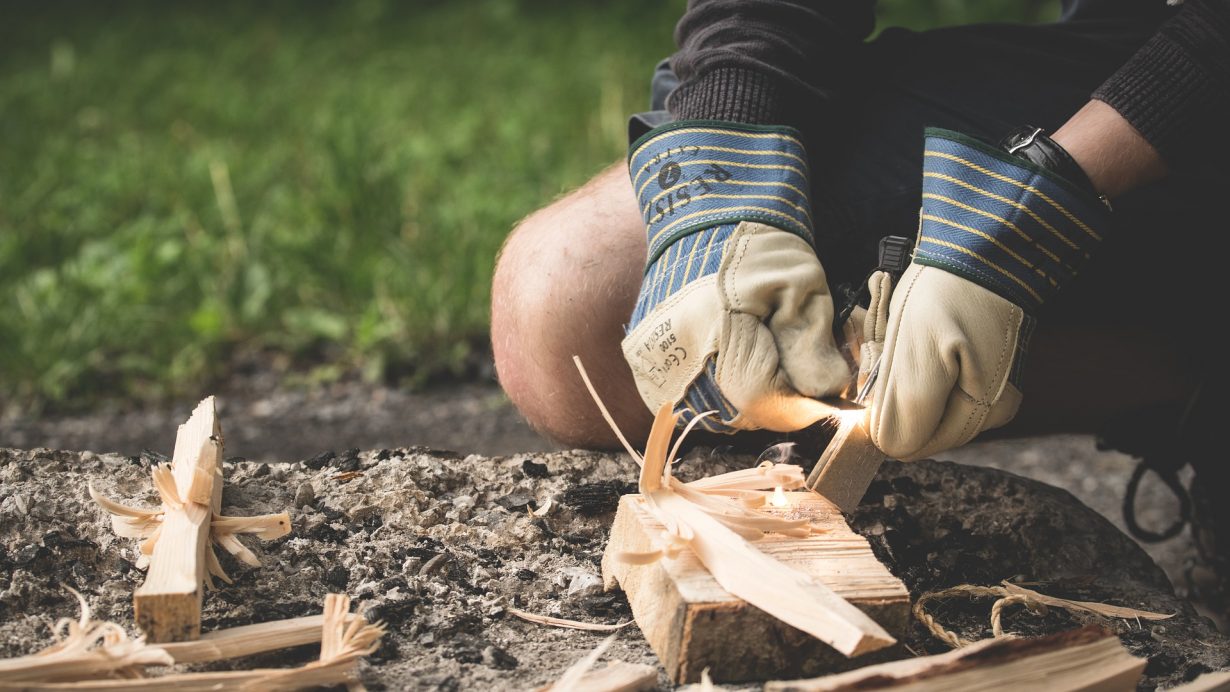
Fire is a critical survival tool, providing warmth, signaling capability, and a means for cooking and water purification.
Gathering Materials
Collect tinder, kindling, and fuel. Tinder ignites easily, kindling helps spread the fire, and fuel keeps it burning. Dry leaves, bark, and small twigs make excellent tinder.
Fire Starting Techniques
Master various methods of starting a fire, including using matches, lighters, fire starters, and friction-based techniques like the bow drill. Practice these skills regularly.
Shelter Construction
A well-constructed shelter protects you from the elements and conserves body heat.
Natural Shelters
Look for natural formations like caves, overhangs, or dense vegetation that can serve as a temporary shelter. Always ensure these are safe and free from wildlife.
Building a Shelter
Use available materials to construct a shelter. A simple lean-to or debris hut can be effective. Ensure your shelter is insulated from the ground to retain body heat.
First Aid Skills
Understanding basic first aid is essential for treating injuries and preventing infections.
Basic First Aid Knowledge
Learn to treat common injuries such as cuts, sprains, and fractures. Carry a comprehensive first-aid kit and know how to use each item effectively.
CPR and Emergency Response
CPR skills can be life-saving in an emergency. Consider taking a certified first aid and CPR course to prepare for critical situations.
Wildlife Awareness
Encountering wildlife can be thrilling but also dangerous. Understanding animal behavior and how to react is crucial.
Identifying Hazardous Wildlife
Research the wildlife in your adventure area. Know how to identify dangerous species and understand their behavior patterns.
Safety Precautions
Maintain a safe distance and avoid disturbing wildlife. Carry bear spray or other deterrents if necessary, and know how to use them properly.
Signaling for Help
In a survival situation, the ability to signal for help can dramatically increase your chances of rescue.
Visual Signals
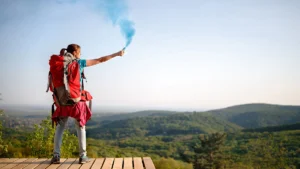
Use bright clothing, reflective materials, or smoke from a fire to attract attention. Creating a large SOS signal on the ground using rocks or logs can be seen from the air.
Auditory Signals
Carry a whistle and use it in threes to signal distress. The sound carries farther than your voice and is more likely to be heard.
Conclusion
Mastering essential outdoor survival skills is vital for anyone who enjoys exploring nature. These skills not only enhance your ability to handle emergencies but also deepen your connection to the environment and build your confidence in the wild. Whether you’re a beginner or an experienced adventurer, continuous learning and practice are key to ensuring your safety and enhancing your outdoor experiences. Always respect nature and the challenges it presents, and you’ll be well-equipped for any adventure.
By incorporating these survival skills into your outdoor repertoire, you’ll be better prepared to face unexpected challenges and enjoy your adventures with greater peace of mind.





Post Comment