Master Essential Camping Skills: A Beginner’s Guide

Camping is a timeless outdoor activity that allows individuals to reconnect with nature, unplug from the digital world, and create lasting memories. For beginners, camping can be both exciting and a bit daunting due to the myriad skills one needs to master. This guide aims to provide an essential roadmap for novices looking to embark on their first camping adventure.
Choosing the Right Campsite
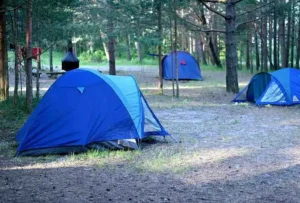
The first step in planning a camping trip is selecting an appropriate campsite. For beginners, it’s essential to choose a location that offers amenities such as bathrooms, potable water, and fire pits. Many national and state parks have designated camping areas that provide these conveniences.
Considerations for Campsite Selection
- Accessibility: Ensure the campsite is easily accessible, especially if you’re not familiar with rough terrains.
- Proximity to Amenities: Being close to restrooms and water sources can make your first camping trip more comfortable.
- Safety: Choose a site that is safe from potential hazards like low-lying areas prone to flooding or areas with a high concentration of wildlife.
Essential Camping Gear
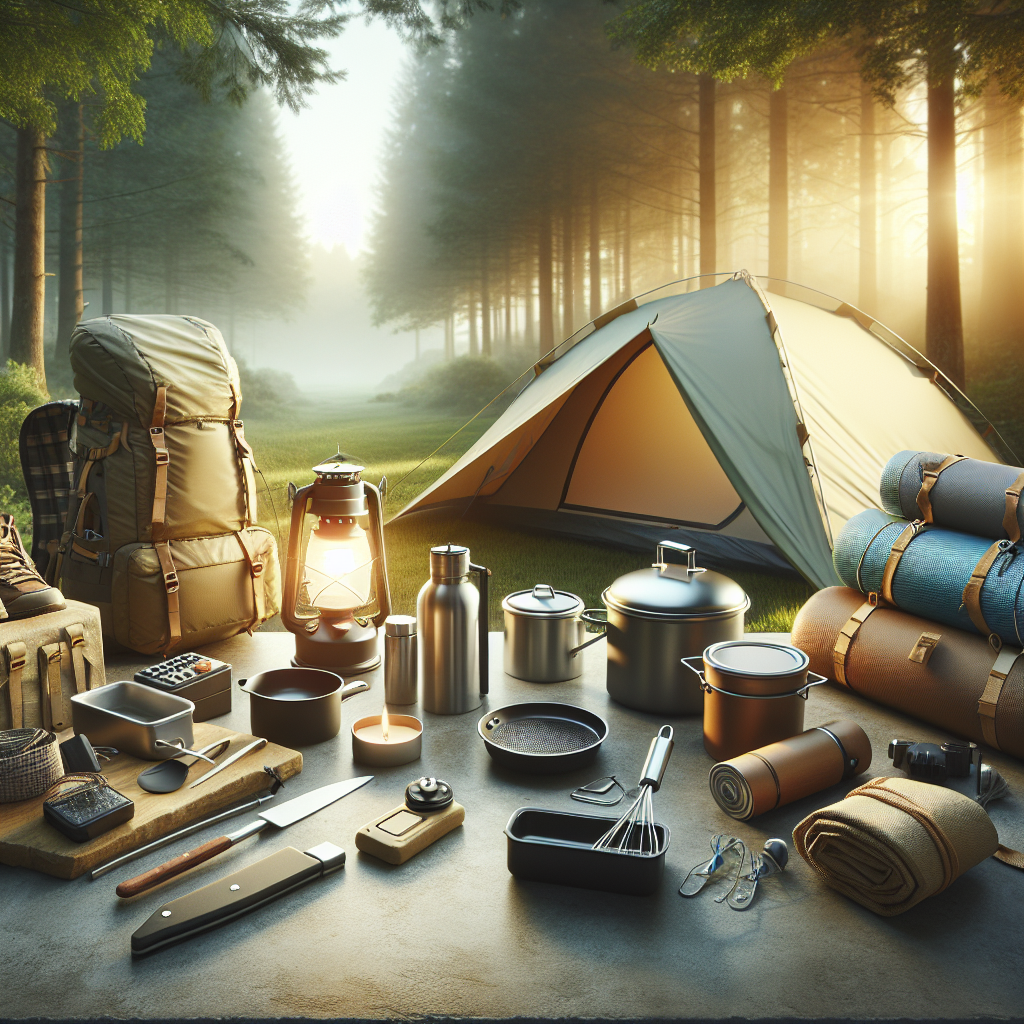
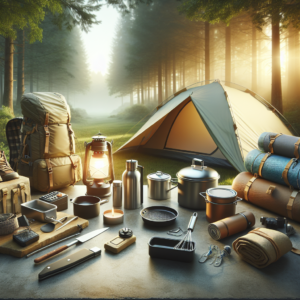
Packing the right gear is crucial to enjoying a successful camping trip. New campers should focus on essentials that ensure safety, comfort, and convenience.
Tent and Sleeping Equipment
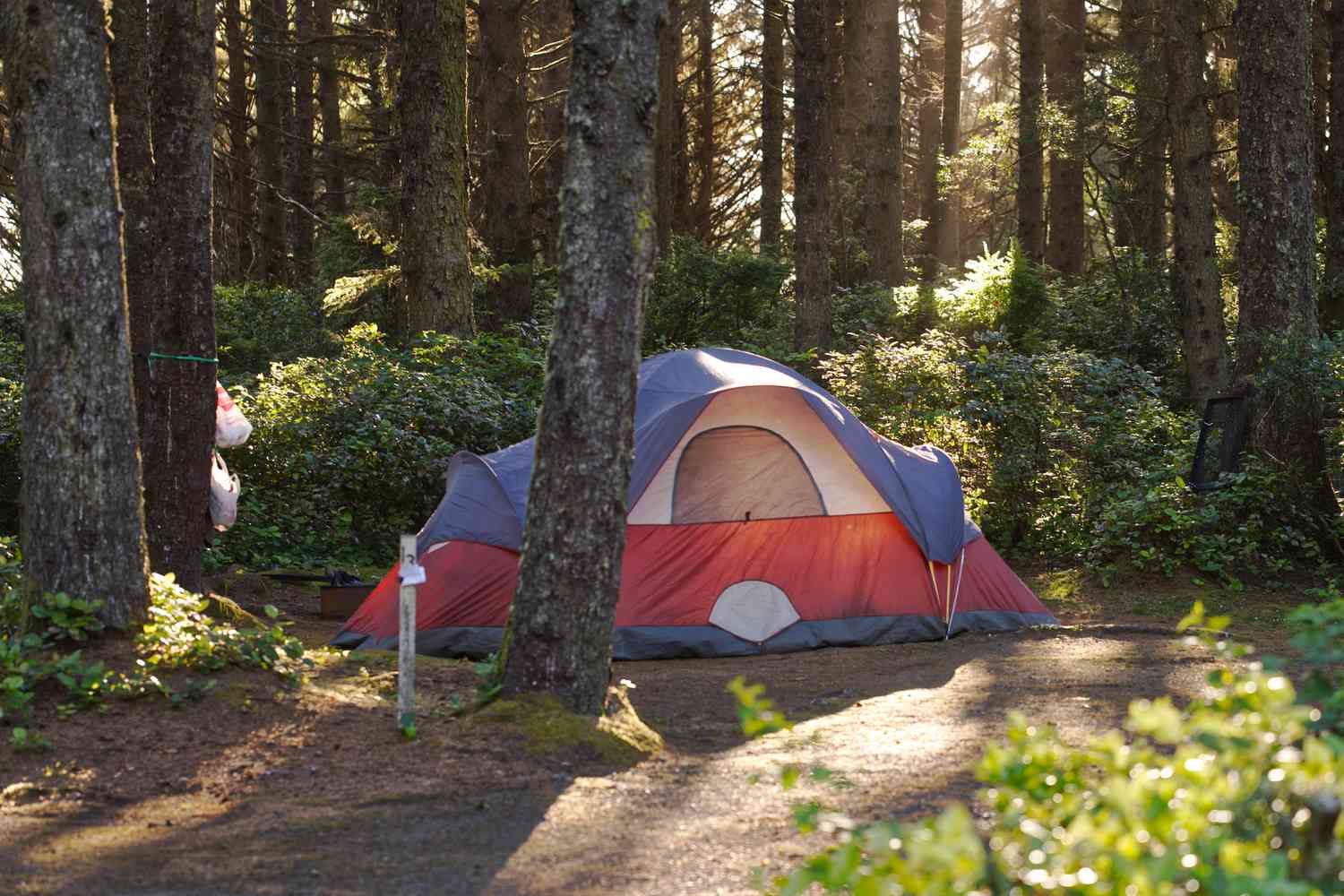
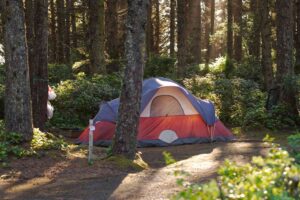
- Tent: Opt for a tent that is easy to set up and offers adequate space for sleeping and storing your gear.
- Sleeping Bag: Choose a sleeping bag that is suitable for the season and temperature of your camping destination.
- Sleeping Pad: A sleeping pad adds an extra layer of comfort and insulation from the ground.
Cooking and Food Supplies
- Portable Stove: A lightweight, portable stove is essential for cooking meals and boiling water.
- Cooler: Keep perishable food items fresh by storing them in a cooler with ice packs.
- Utensils and Cookware: Bring durable, reusable utensils and cookware for meal preparation and consumption.
Building a Campfire
A campfire is central to many camping experiences, providing warmth, light, and a place to cook. However, building a campfire requires skill and adherence to safety guidelines.
Steps to Building a Safe Campfire
- Select the Right Spot: Use existing fire pits if available. Ensure the area is clear of overhanging branches and dry leaves.
- Gather Materials: Collect tinder (small, dry materials like leaves and twigs), kindling (small sticks), and logs.
- Build the Fire: Start with a small pile of tinder, add kindling in a teepee shape, and gradually add larger logs once the fire is established.
- Extinguish Properly: Never leave a fire unattended. Douse it with water and stir the ashes until cool to the touch.
Basic Outdoor Cooking Techniques
Cooking outdoors can be an enjoyable part of the camping experience. With a little practice, you can prepare delicious meals over a campfire or portable stove.
Simple Cooking Methods
- Foil Packets: Wrap ingredients in foil and cook them directly on the coals for easy and mess-free meals.
- Grilling: Use a portable grill or campfire grill grate to cook meats and vegetables.
- Boiling: A simple and efficient way to prepare pasta, rice, or soups.
Navigation and Trail Skills
Understanding basic navigation skills is crucial for safety when exploring trails around your campsite. A map and compass are vital tools for any camping trip.
Map and Compass Basics
- Reading a Map: Familiarize yourself with topographical maps and symbols used to indicate terrain features.
- Using a Compass: Learn how to orient a map and determine your heading using a compass.
- Trail Markers: Pay attention to trail markers and signage to stay on the correct path.
Leave No Trace Principles
Responsible camping involves minimizing your impact on the environment. The Leave No Trace principles provide guidelines for sustainable outdoor ethics.
Key Principles
- Plan Ahead and Prepare: Know the regulations and special concerns for the area you’ll visit.
- Travel and Camp on Durable Surfaces: Stick to established trails and campsites to avoid damaging vegetation.
- Dispose of Waste Properly: Pack out all trash and use existing bathroom facilities or bury human waste at least 200 feet from water sources.
- Leave What You Find: Preserve the past, and do not disturb historical or cultural artifacts.
- Minimize Campfire Impact: Use a stove for cooking and use fire rings where permitted.
- Respect Wildlife: Observe wildlife from a distance and never feed animals.
- Be Considerate of Other Visitors: Keep noise to a minimum and respect other campers’ experiences.
Dealing with Weather Changes
Weather can be unpredictable, and being prepared for changes can make your camping experience more comfortable and safe.
Weather Preparedness Tips
- Check the Forecast: Before your trip, monitor the weather forecast for your camping area.
- Layer Clothing: Dress in layers to easily adjust to changing temperatures.
- Waterproof Gear: Bring a rain jacket and waterproof tent to stay dry during unexpected rain.
First Aid Basics
Accidents can happen, and having a basic understanding of first aid can help you address minor injuries and emergencies while camping.
Essential First Aid Supplies
- First Aid Kit: Include bandages, antiseptic wipes, tweezers, and pain relievers.
- Emergency Blanket: Useful for warmth in case of hypothermia.
- Insect Repellent: Protects against bug bites and potential insect-borne diseases.
Conclusion
Camping is a rewarding and enriching experience that offers a break from the hustle and bustle of daily life. By mastering these essential skills, beginners can ensure a safe, enjoyable, and memorable outdoor adventure. Remember, practice makes perfect, and each camping trip will build your confidence and expertise in the great outdoors.


Post Comment