Master Essential Bushcraft Skills for Wilderness Survival
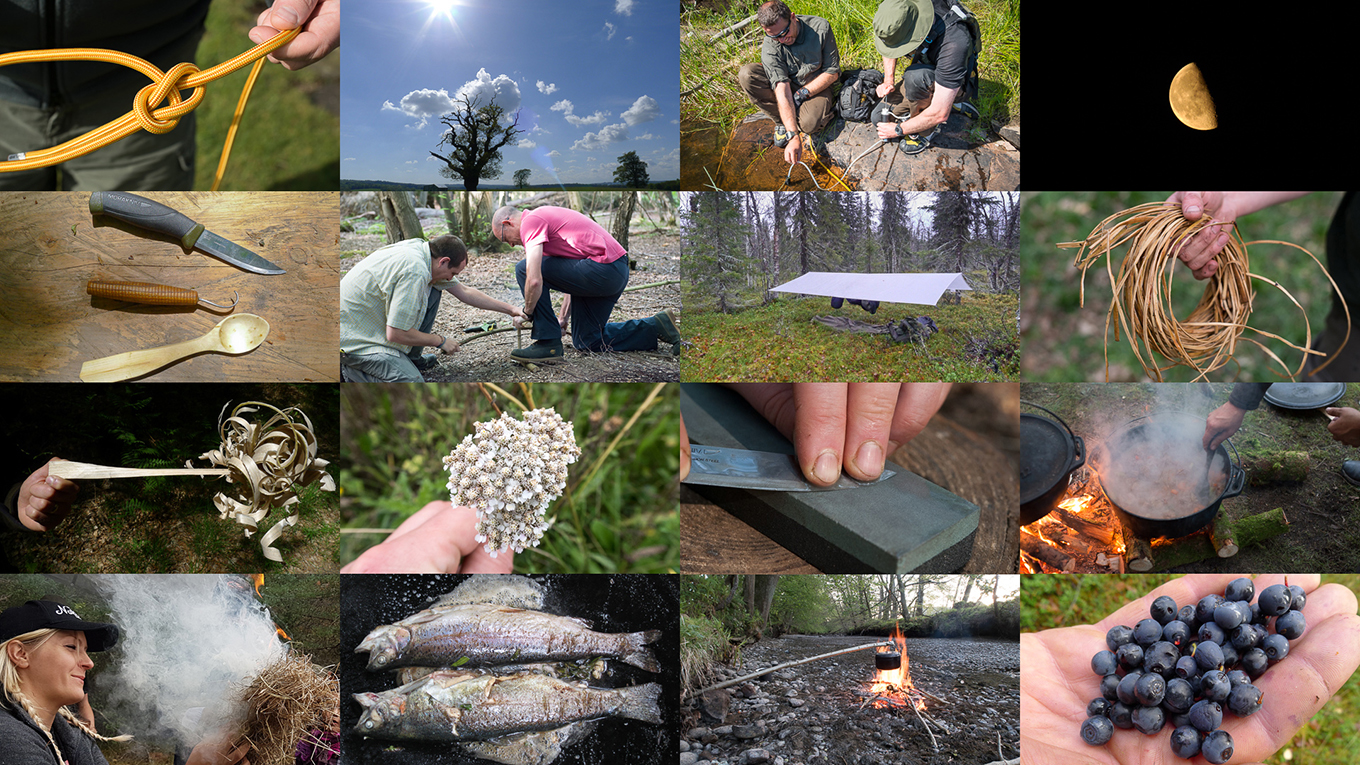
In our modern world, there is a growing interest in reconnecting with nature and learning how to survive in the wild. Bushcraft, the art of using natural resources for survival, is an essential skill set for anyone looking to thrive in the wilderness. Whether you’re a seasoned outdoor enthusiast or a beginner, mastering bushcraft skills can significantly enhance your ability to handle unexpected situations and enjoy the natural world in a more profound way.
The Importance of Bushcraft Skills
Bushcraft is not just about survival; it’s about thriving in nature. It involves understanding and respecting the environment, and using the resources it provides wisely. These skills are vital for ensuring safety and sustainability in the wilderness. They empower you to build shelters, find food and water, and navigate through unfamiliar terrain without modern conveniences. Moreover, bushcraft fosters a deeper connection with the natural world, promoting conservation and environmental awareness.
Core Bushcraft Skills for Wilderness Survival
1. Building a Shelter
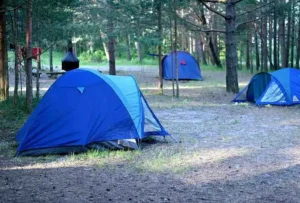
One of the first priorities in a survival situation is to create a safe and comfortable shelter. A well-constructed shelter protects you from the elements, regulates body temperature, and provides a secure resting place.
– **Types of Shelters:** Depending on the environment, you can construct various types of shelters such as lean-tos, debris huts, or snow caves. Each type has its specific advantages and is suited to different weather conditions.
– **Site Selection:** Choose a location that is flat, dry, and away from hazards like falling branches or flooding. Ensure it’s close to resources like water and firewood.
– **Construction Techniques:** Use natural materials like branches, leaves, and grass. Ensure the shelter is insulated and weatherproof by layering materials and securing them firmly.
2. Finding and Purifying Water
Water is essential for survival, and finding a reliable source is crucial. In the wild, it’s important to know how to locate and purify water to prevent dehydration and illness.
– **Locating Water Sources:** Look for signs of water such as wildlife tracks, lush vegetation, or low-lying areas. Streams, rivers, and ponds are common sources in many environments.
– **Purification Methods:** Always purify water to remove harmful pathogens. Boiling is the most effective method, but you can also use filtration systems, purification tablets, or construct a solar still.
3. Foraging for Food
Foraging is a valuable skill that allows you to supplement your diet with natural resources. Identifying edible plants, fruits, and nuts requires knowledge and practice.
– **Edible Plants:** Learn to identify common edible plants in your region. Familiarize yourself with their appearance, growth patterns, and seasons.
– **Wildlife and Fishing:** In addition to plants, small game and fish can provide protein. Set traps or craft fishing tools using natural materials to increase your chances of catching food.
– **Safety Precautions:** Always adhere to the guideline of “if in doubt, leave it out” when foraging. Some plants and fungi are toxic, so proper identification is crucial.
4. Fire Craft
Fire is a critical element in bushcraft. It provides warmth, light, and a means to cook food and purify water. Mastering fire-making techniques is essential for survival.
– **Fire-Starting Methods:** Practice various methods such as using a fire striker, bow drill, or flint and steel. Each method requires skill and patience to master.
– **Gathering Materials:** Collect dry tinder, kindling, and fuel wood. Keep them sheltered from moisture to ensure they are ready for use.
– **Fire Safety:** Always exercise caution when building a fire. Clear the area of flammable materials and ensure the fire is completely extinguished before leaving the site.
5. Navigation Skills
Being able to navigate through the wilderness is crucial to avoid getting lost and to find your way back to safety.
– **Using a Map and Compass:** Learn to read topographic maps and use a compass effectively. These tools are invaluable for precise navigation.
– **Natural Navigation Techniques:** In the absence of tools, use natural indicators such as the sun, stars, and landmarks to determine direction.
– **Creating Landmarks:** Mark your path as you travel to create a reference point for your return journey. This can be done using natural materials like stones or sticks.
Advanced Bushcraft Skills
1. Crafting Tools and Cordage
Creating tools and cordage from natural materials is a vital skill in bushcraft. These items can be used for building, hunting, and other tasks.
– **Making Tools:** Learn to craft simple tools like knives, spears, or hooks using stones, bones, or wood. These tools can be essential for survival tasks.
– **Creating Cordage:** Use plant fibers or animal sinew to make strong, durable cordage. Cordage can be used for building shelters, traps, or carrying items.
2. Tracking and Hunting
Tracking and hunting are advanced skills that require patience and keen observation. They are essential for procuring food in the wild.
– **Animal Tracking:** Learn to identify animal tracks, scat, and signs. Understanding animal behavior and habitats increases your chances of successful hunting.
– **Hunting Techniques:** Practice using primitive weapons such as bows, slings, or atlatls. These require skill and practice but can be effective in procuring game.
3. Weather Prediction
Being able to predict weather changes is crucial for planning and safety in the wilderness.
– **Reading Natural Signs:** Observe cloud formations, wind patterns, and animal behavior to anticipate weather changes.
– **Using Instruments:** In addition to natural signs, carry a barometer or use simple instruments to monitor atmospheric pressure changes.
Conclusion: Embracing the Bushcraft Lifestyle
Mastering bushcraft skills is a journey that requires dedication, practice, and a willingness to learn from nature. These skills not only enhance your ability to survive in the wilderness but also deepen your appreciation for the natural world. By embracing bushcraft, you become more self-reliant, environmentally conscious, and connected to the earth. Whether you’re in a survival situation or simply enjoying a camping trip, bushcraft skills empower you to thrive in harmony with nature.
Incorporating these essential bushcraft skills into your outdoor adventures will ensure that you are well-prepared for any wilderness challenge. Practice regularly, stay curious, and always respect the environment as you master the art of bushcraft for wilderness survival.




Post Comment