Master Camping Weather: Essential Tips for Beginners

Camping is a wonderful way to reconnect with nature and escape the hustle and bustle of everyday life. However, the weather can make or break your camping experience, especially for beginners. Understanding how to prepare for weather conditions can help you enjoy your adventure, regardless of what Mother Nature throws your way. In this article, we’ll explore essential tips for mastering camping weather, ensuring that even novice campers are equipped to handle the elements.
Understanding Weather Patterns
Before setting out on a camping trip, it’s crucial to have a basic understanding of weather patterns. This knowledge can help you anticipate changes in the weather and prepare accordingly.
Check the Forecast
The first step in weather preparedness is checking the forecast for your camping location. Use reliable weather apps or websites to get a detailed prediction of the conditions you can expect. Pay attention to temperature highs and lows, precipitation chances, and wind speeds. Remember that weather can change rapidly, especially in mountainous or coastal areas, so it’s wise to check the forecast regularly leading up to your trip.
Learn About Local Climate
Familiarize yourself with the local climate of your camping destination. Some areas have microclimates that can vary significantly from the general forecast. For instance, deserts can have scorching daytime temperatures but plummet to freezing at night. Understanding these patterns will help you pack appropriately and mentally prepare for the range of conditions you might encounter.
Essential Gear for Weather Preparedness
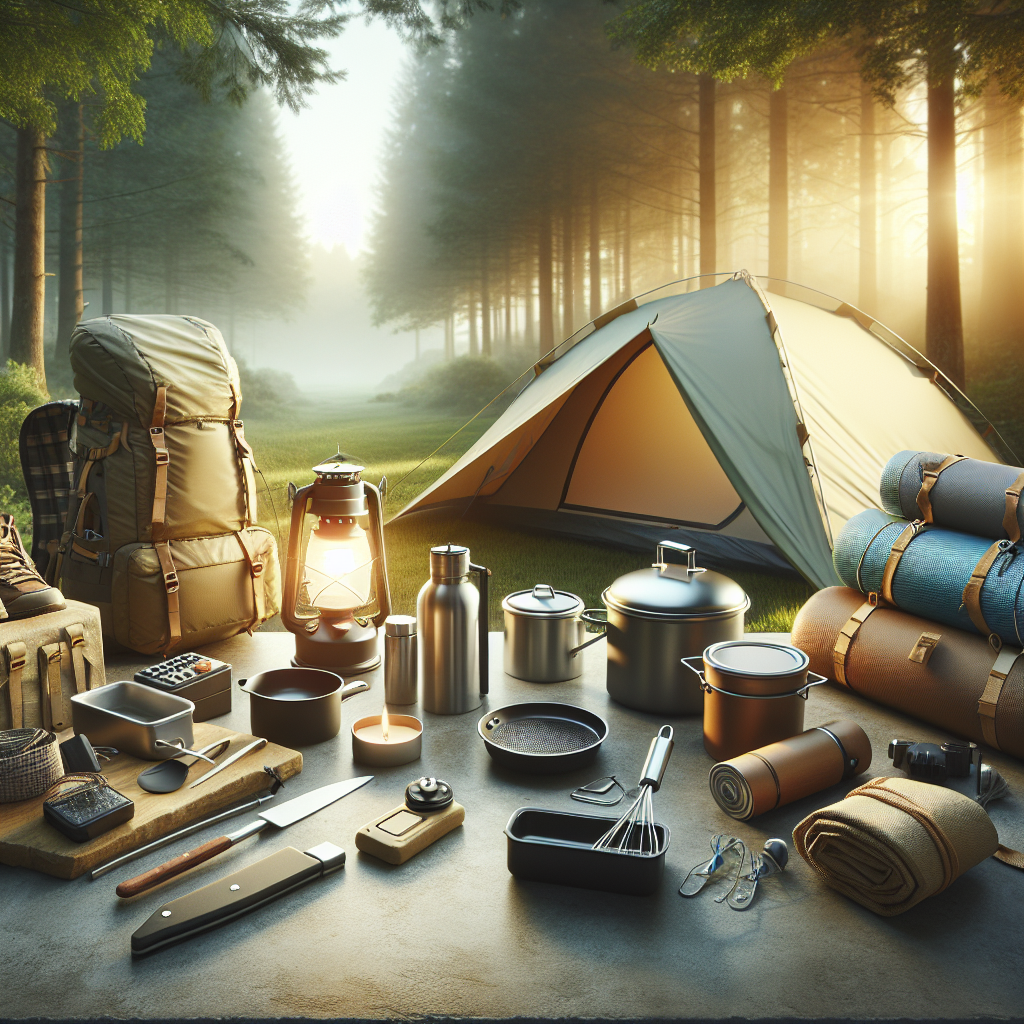
Having the right gear is essential for staying comfortable and safe in varying weather conditions. Here’s a list of must-have items for weather-ready camping:
Clothing
When it comes to camping clothing, layering is key. You can add or remove layers to regulate your body temperature as the weather changes. Ensure you have a base layer to wick moisture away from your skin, an insulating layer to retain heat, and a waterproof outer layer to protect against rain and wind. Bring a warm hat and gloves if you’re camping in colder climates, and a wide-brimmed hat and sunglasses for sun protection in warmer areas.
Weather-Appropriate Shelter
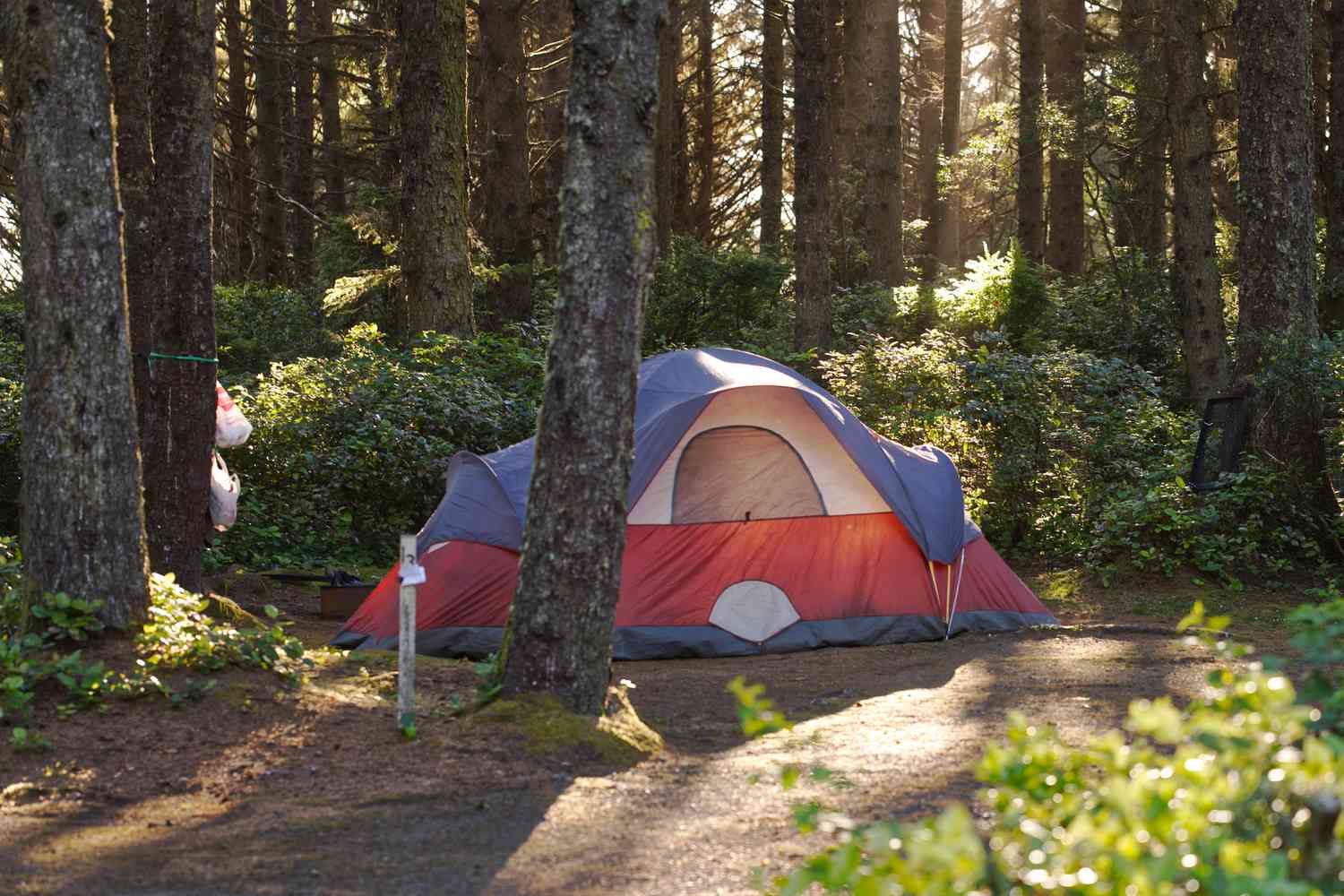
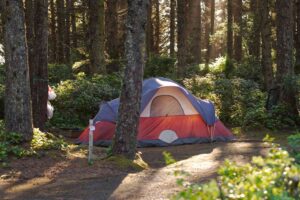
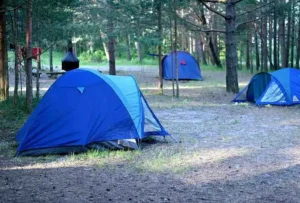
Your tent should be suited to the weather conditions you expect to encounter. A three-season tent is usually sufficient for spring, summer, and fall camping, as it provides protection against rain and moderate wind. If you’re camping in winter or in areas with extreme weather, consider a four-season tent that offers better insulation and stability against snow and high winds.
Sleeping Gear
A good sleeping bag is essential for a comfortable night’s sleep. Choose one with a temperature rating appropriate for the coldest expected temperatures. Sleeping pads not only add comfort but also provide insulation from the cold ground. Consider bringing a camping pillow or using a stuff sack filled with clothes for added comfort.
Cooking Equipment
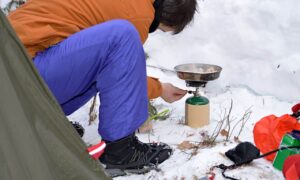
Weather can impact your cooking setup, so plan accordingly. Windy conditions may require a windscreen for your stove, while rainy weather might necessitate a tarp shelter over your cooking area. Bring extra fuel in case you need to cook longer due to colder temperatures.
Adapting to Different Weather Scenarios
Weather can change rapidly when camping, so it’s important to know how to adapt to different conditions.
Rainy Weather
If rain is in the forecast, waterproofing is crucial. Ensure your tent is equipped with a rainfly and that seams are sealed to prevent leaks. Pitch your tent on higher ground to avoid water pooling. Use waterproof bags or containers to keep clothing and electronics dry. When hiking, wear waterproof boots and bring a poncho or rain jacket.
Hot and Sunny Weather
In hot weather, focus on staying hydrated and protected from the sun. Drink plenty of water and use sunscreen with high SPF. Set up your tent in a shaded area if possible, and use a reflective sunshade to keep it cool. Plan activities during cooler parts of the day, like early morning or late afternoon.
Cold Weather
Camping in cold weather requires careful planning to stay warm. Wear multiple layers and avoid cotton, as it retains moisture and can lead to hypothermia. Use a sleeping bag rated for cold temperatures and insulate the ground beneath you with a thick sleeping pad. Keep a hot water bottle in your sleeping bag for extra warmth.
Windy Conditions
Wind can be challenging, especially if you’re camping in an exposed location. Secure your tent with sturdy stakes and guy lines. Position your tent with the smallest side facing into the wind to reduce resistance. Use rocks or heavy objects to anchor down tarps and other loose items.
Safety Tips for Severe Weather
Severe weather can pose significant risks to campers. Here are some safety tips to keep in mind:
Thunderstorms
If caught in a thunderstorm, avoid open areas, tall trees, and bodies of water. Stay inside your tent if it’s not in danger of flooding, or seek shelter in a car or building if available. Avoid using metal objects and touching metal parts of your tent.
Extreme Cold
In extremely cold weather, frostbite and hypothermia are real dangers. Keep your extremities covered and look for signs of frostbite, such as numbness or a white or grayish-yellow skin color. If you suspect hypothermia, get the affected person to a warm place, remove wet clothing, and provide warm, non-alcoholic beverages.
Heatwaves
During a heatwave, heat exhaustion and heatstroke are concerns. Rest in shaded or air-conditioned areas, drink plenty of fluids, and avoid strenuous activities during the hottest parts of the day. Know the signs of heat-related illnesses, such as dizziness, heavy sweating, or nausea, and act quickly if they occur.
Conclusion
By understanding weather patterns, packing the right gear, and knowing how to adapt to different weather conditions, beginners can confidently enjoy the great outdoors. Weather preparedness not only enhances your comfort but also ensures your safety while camping. Remember, nature is unpredictable, but with the right knowledge and preparation, you can master any camping weather and create unforgettable memories.

Post Comment