Master Camping Gear Organization for Stress-Free Adventures
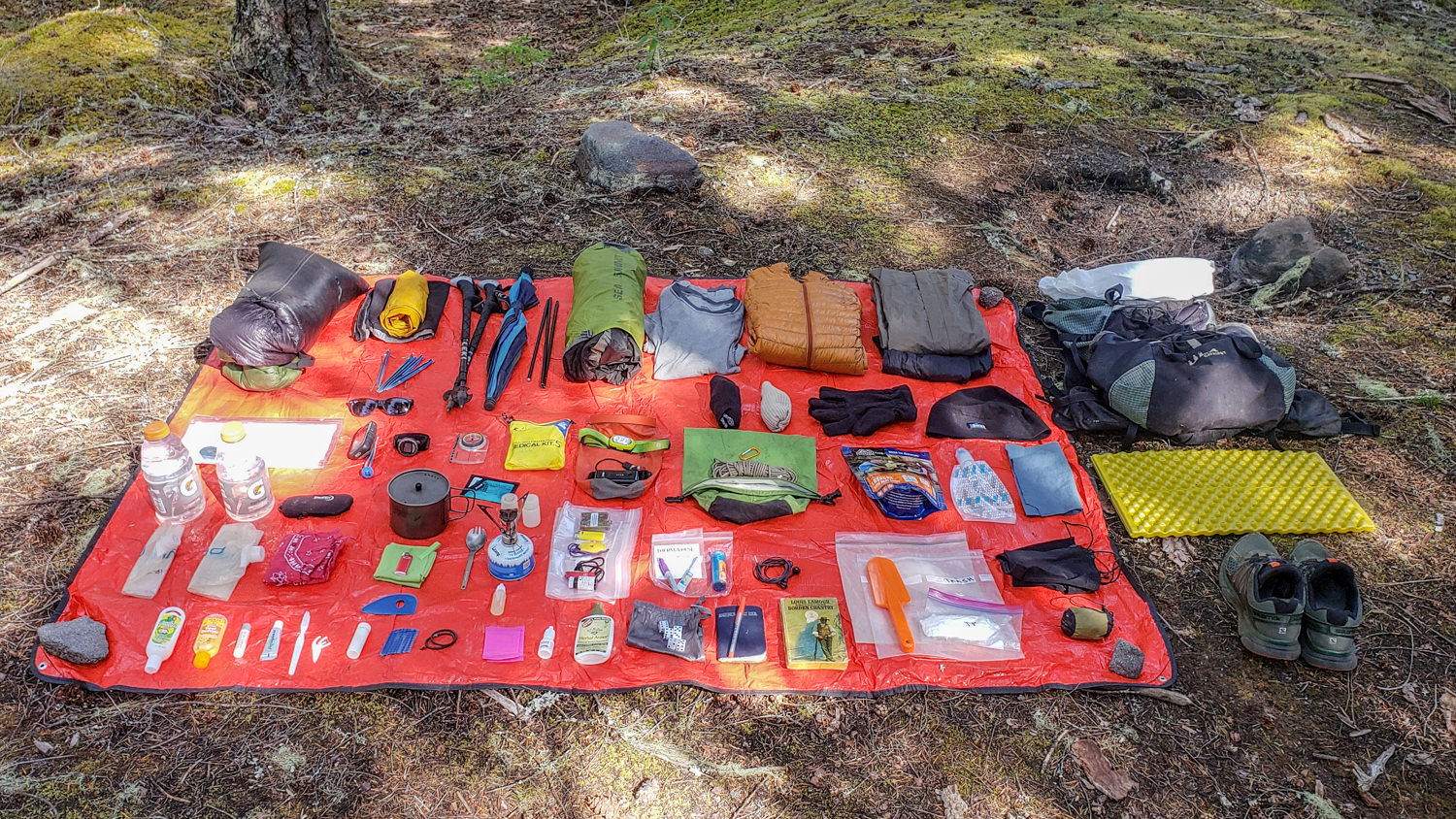
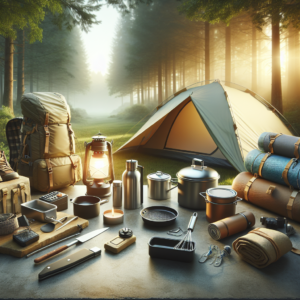
Camping is one of the most rewarding outdoor activities, offering a chance to disconnect from the hustle and bustle of daily life and reconnect with nature. However, a successful camping trip hinges on one crucial aspect: organization. Properly organizing your camping gear can transform what might be a chaotic adventure into a stress-free and enjoyable experience. In this article, we’ll explore strategies for mastering camping gear organization, ensuring you’re prepared for any outdoor adventure.
Benefits of Organized Camping Gear
Before diving into the how-tos, it’s important to understand why organized camping gear is so beneficial. Firstly, it saves time. Knowing exactly where everything is allows you to set up camp or pack up quickly. Secondly, it reduces stress. There’s nothing worse than rummaging through a chaotic mess looking for a flashlight in the dark. Finally, organization ensures you don’t forget essential items, enhancing safety and comfort during your trip.
Plan Your Gear According to the Trip
Assess the Trip Duration and Environment
The first step in organizing your gear is understanding the nature of your trip. Is it a weekend getaway or a week-long expedition? Are you camping in a warm, sunny climate or bracing for cold, wet weather? The answers to these questions will determine the type and amount of gear you need.
Create a Detailed Packing List
A comprehensive packing list tailored to your trip’s specifics is crucial. Break it down into categories such as shelter, clothing, cooking, navigation, and first-aid. Check each item as you pack to ensure nothing is left behind. Apps and online resources can offer templates and suggestions based on your destination and activities.
Choose the Right Storage Solutions
Backpacks and Daypacks
Your backpack is the cornerstone of your gear organization. Choose one with multiple compartments to separate items based on their usage frequency and type. A daypack is also essential for shorter hikes away from the main campsite. Ensure both packs are comfortable and appropriately sized for your body and the trip’s demands.
Storage Bins and Dry Bags
For car camping or base camps, storage bins provide a robust solution for organizing gear. Label each bin clearly to identify its contents quickly. Dry bags are essential for keeping clothes and electronics dry, especially in wet conditions or during water-based activities.
Optimize Packing Techniques
Layering and Grouping Items
When packing, consider layering items based on when you’ll need them. For instance, pack your tent and shelter items on top if you’ll set up camp upon arrival. Group similar items together, such as cooking utensils and stove equipment, to streamline access.
Utilize Compression Sacks
Space-saving is crucial, especially for backpacking trips. Compression sacks reduce the volume of bulky items like sleeping bags and clothing. This allows more room for other essentials and helps maintain a tidy pack layout.
Implement a Consistent Gear Layout at Camp
Designate Specific Areas
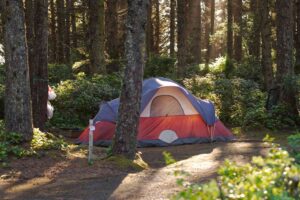
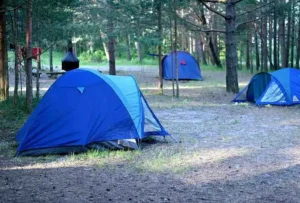
Upon arrival at your campsite, designate specific areas for cooking, sleeping, and gear storage. This organization helps maintain cleanliness and enhances safety, as food and scented items should be kept away from sleeping areas to deter wildlife.
Use Ground Tarps and Organizers
Utilize ground tarps under tents to keep them dry and clean. Portable organizers or hanging shelves can be used inside tents or shelters to keep small items like flashlights and toiletries accessible and off the ground.
Maintain and Inspect Gear Regularly
After Each Trip
Clean and inspect your gear after each trip. This routine helps maintain the equipment’s longevity and ensures it’s ready for your next adventure. Check for damage and make necessary repairs or replacements promptly.
Seasonal Gear Maintenance
Perform a more thorough gear check at the start and end of each camping season. Test all equipment, from tents and sleeping bags to cooking stoves, to confirm they’re in working order. This proactive approach prevents last-minute surprises and potential gear failures.
Use Technology to Stay Organized
Camping Apps and Digital Checklists
Take advantage of technology by using camping apps that offer packing checklists, gear tracking, and weather alerts. Digital checklists can be easily customized and shared with fellow campers, ensuring everyone is on the same page.
GPS and Navigation Tools
GPS devices and apps not only assist with navigation but can also help track gear locations and campsite layouts. Some apps allow you to create digital maps of your campsite, marking where specific gear is stored, which can be particularly useful for larger groups or extended stays.
Conclusion
Mastering camping gear organization is a skill that enhances the overall camping experience. By planning according to your trip, selecting the right storage solutions, optimizing your packing techniques, and maintaining your gear, you can ensure a smooth and stress-free adventure. Embrace technology to further streamline your efforts, and remember, the key to successful camping is preparation. With these strategies in place, you’re set to enjoy the great outdoors with peace of mind, knowing that everything you need is right where it should be.
Whether you’re a seasoned camper or a newcomer to the world of outdoor adventures, these organizational tips will help you create memorable experiences without the hassle. So pack your gear, hit the trails, and enjoy the tranquility of nature with confidence and clarity.

Post Comment