Expert Tips for Choosing the Perfect Campsite

Camping is an enriching outdoor experience that allows you to connect with nature, unwind, and create lasting memories. Whether you’re a beginner or a seasoned adventurer, the foundation of a successful camping trip lies in selecting the perfect campsite. With numerous factors to consider, from location and amenities to safety and environmental impact, making the right choice can seem daunting. This guide will provide expert tips and insights to help you choose the ideal campsite for your next adventure.
Location, Location, Location
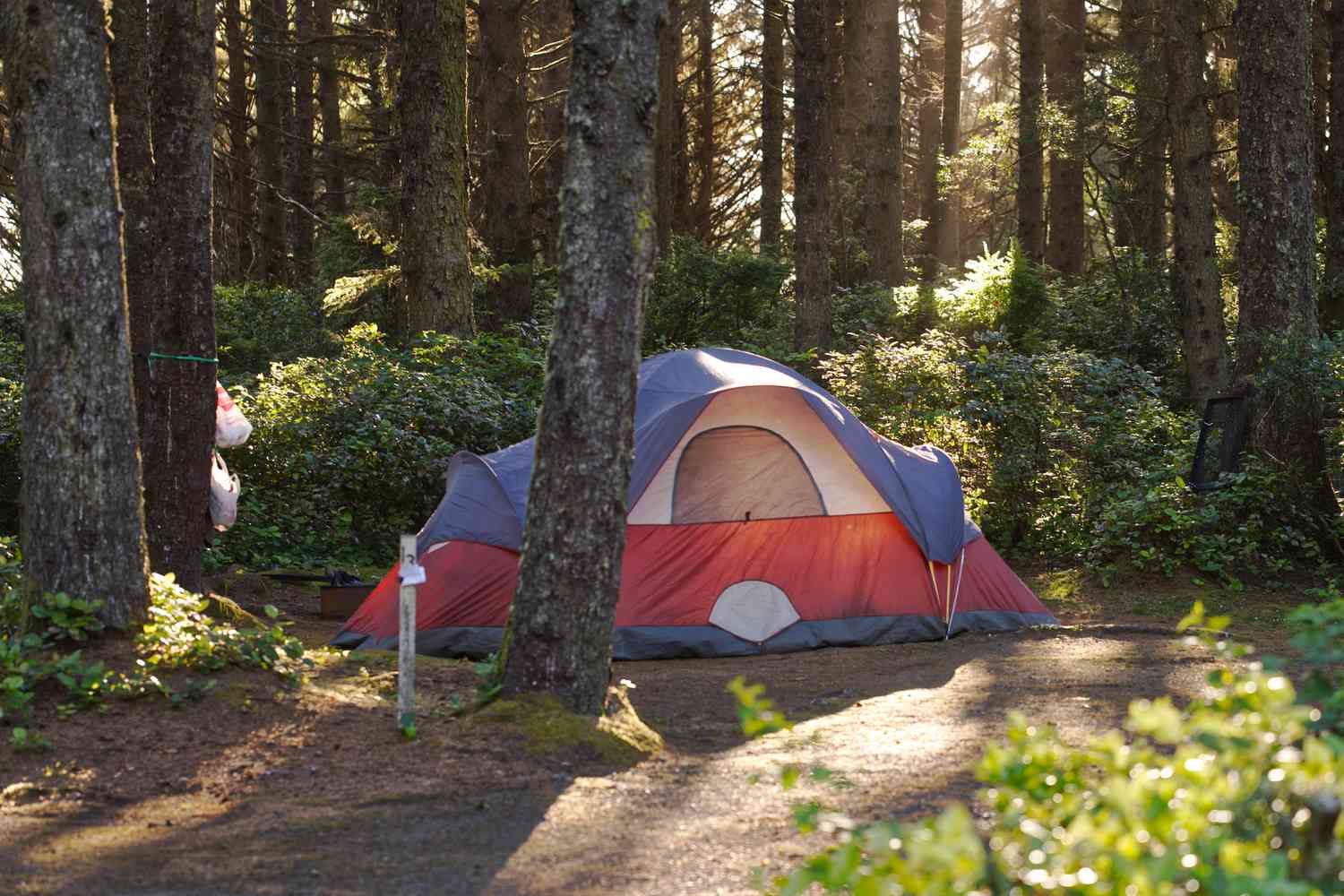
When it comes to choosing a campsite, location is paramount. Consider the geographical area you want to explore and the type of terrain you prefer. Whether it’s a mountainous region, a forested area, or a lakeside retreat, the location will significantly impact your camping experience.
- Proximity to Attractions: If your camping trip includes activities like hiking, fishing, or exploring local attractions, choose a campsite close to these areas to reduce travel time and maximize your enjoyment.
- Accessibility: Ensure that the campsite is accessible by your mode of transport, whether you’re arriving by car, bike, or foot. Check for road conditions and parking availability if you’re driving.
- Seclusion vs. Socializing: Decide whether you prefer a secluded spot for privacy or a more communal camping area where you can meet fellow campers.
Amenities and Facilities
The amenities and facilities available at a campsite can greatly influence your comfort and convenience. Consider what level of amenities you require for a satisfying camping experience.
- Basic Facilities: Look for essential amenities like restrooms, showers, and potable water. These basics can make your camping experience more comfortable, especially for beginners.
- Additional Amenities: Some campsites offer extra facilities such as picnic tables, fire pits, grills, and electric hookups. Evaluate which of these are important to you.
- Proximity to Supplies: Check the distance to the nearest town or store in case you need to restock supplies or seek assistance during your trip.
Safety Considerations
Ensuring safety is crucial when selecting a campsite. Evaluate potential risks and take necessary precautions to protect yourself and your companions.
- Wildlife Awareness: Research the wildlife in the area and learn how to store food properly to avoid attracting animals.
- Weather Conditions: Check the weather forecast and prepare accordingly. Avoid camping in areas prone to flooding or severe weather.
- Ground Stability: Choose a campsite with stable ground to prevent accidents caused by uneven terrain or falling rocks.
Environmental Impact
As responsible campers, it’s important to minimize your impact on the environment. Select a campsite with sustainability in mind.
- Leave No Trace: Follow the Leave No Trace principles to minimize your impact on the environment. Choose a campsite that aligns with these principles.
- Established Campsites: Use designated campsites whenever possible to reduce the disturbance of natural habitats.
- Waste Management: Ensure that the campsite has proper waste disposal facilities or plan to pack out all your trash.
Group Size and Camping Style
Your group size and preferred camping style will influence your campsite choice. Consider the needs and preferences of everyone involved.
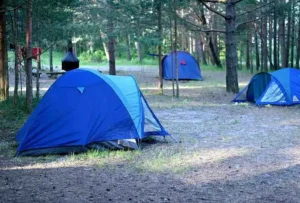
- Space Requirements: Ensure the campsite can accommodate your group size comfortably, with enough space for tents or RVs.
- Noise Levels: If you’re camping with children or in a large group, be mindful of noise levels to respect other campers.
- Camping Style: Decide whether you prefer a more rugged, back-to-basics camping experience or a site with added conveniences.
Booking and Regulations
Before setting off, familiarize yourself with the campsite’s booking process and regulations to ensure a smooth experience.
- Reservation Requirements: Check if the campsite requires reservations and book early to secure your spot, especially during peak seasons.
- Permits and Fees: Be aware of any required permits or fees associated with the campsite and activities you plan to undertake.
- Rules and Regulations: Familiarize yourself with the campsite’s rules to ensure compliance and avoid any penalties.
Conclusion
Selecting the perfect campsite is a critical step in ensuring a memorable and enjoyable camping experience. By considering factors like location, amenities, safety, environmental impact, group size, and regulations, you can make a well-informed decision that caters to your needs and preferences. Remember to prioritize safety and sustainability, and you’ll be well on your way to creating unforgettable outdoor adventures. Happy camping!


Post Comment