Essential Tips for Safe Camping Food Storage
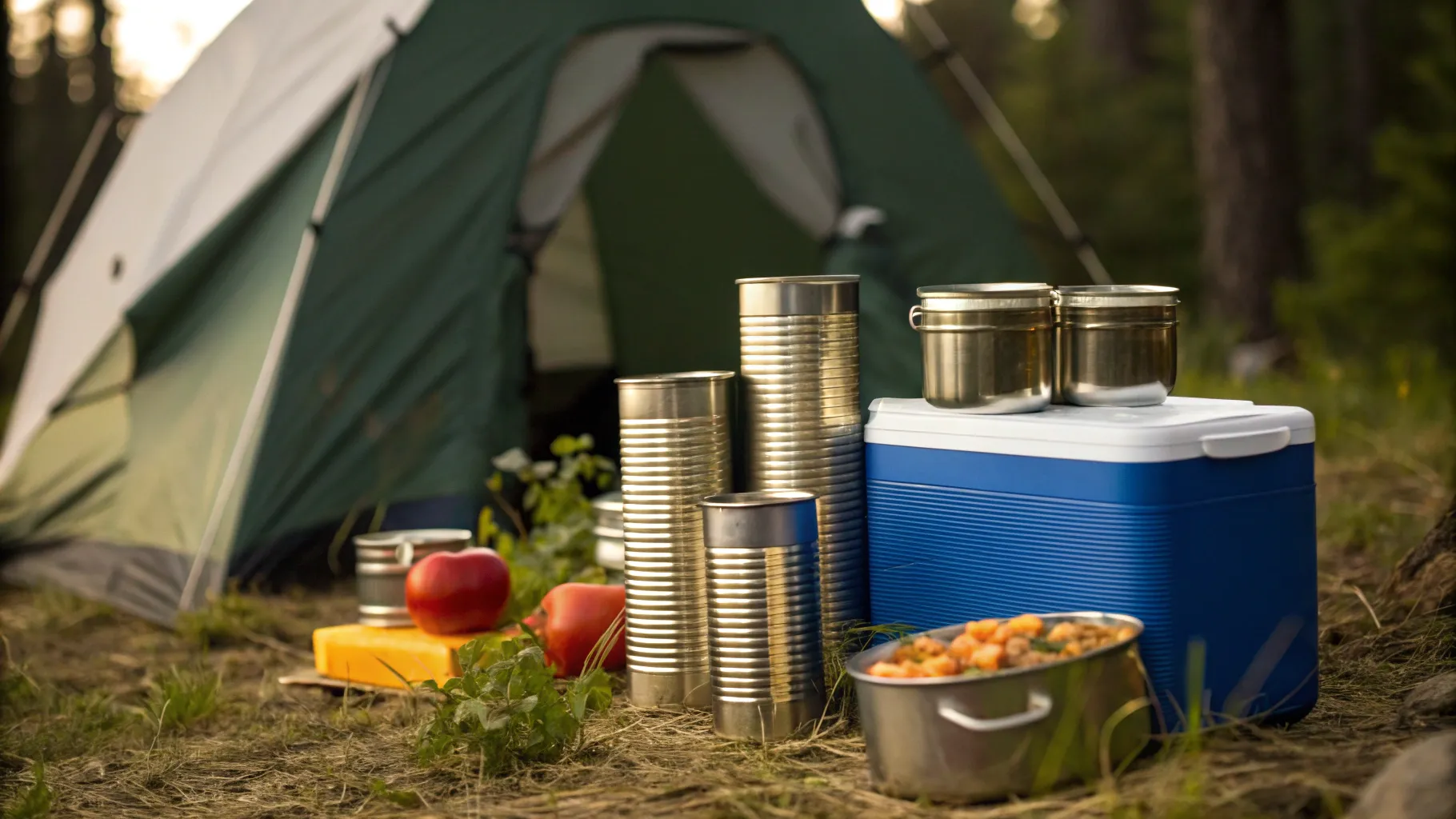
Camping is a delightful way to connect with nature, unwind, and enjoy the great outdoors. However, ensuring the safety of your food while camping is crucial to prevent attracting wildlife and to avoid foodborne illnesses. Safe camping food storage is an indispensable skill for any outdoor enthusiast, especially beginners. This guide will provide essential tips to help you store your food safely during your camping trips.
Understanding the Importance of Safe Food Storage
Before delving into the tips, it’s important to understand why safe food storage is crucial during camping. Proper food storage helps in:
- Preventing foodborne illnesses by keeping food fresh and uncontaminated.
- Deterring wildlife, such as bears and raccoons, which can be attracted to improperly stored food.
- Minimizing food waste by keeping food in optimal condition.
Choosing the Right Containers
One of the first steps in ensuring safe camping food storage is selecting the appropriate containers. These should be:
1. Airtight and Waterproof
Airtight containers prevent moisture and air from spoiling your food. Waterproof containers are essential for protecting your supplies from rain or accidental spills.
2. Durable and Animal-Resistant
Opt for sturdy containers that cannot be easily punctured or opened by animals. Consider using bear-proof containers if you are camping in bear country.
Planning Your Meals
Thoughtful meal planning plays a crucial role in camping food safety. Here’s how you can plan effectively:
1. Pre-Prepare Meals
Pre-cooking meals can save time and reduce the need for handling raw ingredients, which can be risky in the wilderness.
2. Portion Control
Plan meals in precise portions to minimize leftovers, which can be difficult to store safely.
3. Choose Non-Perishable Foods
Incorporate non-perishable items like canned goods, dried fruits, nuts, and grains. These foods have a longer shelf life and are easier to store.
Temperature Control
Keeping food at the right temperature is essential to prevent spoilage:
1. Use Coolers and Ice Packs
Use high-quality coolers with ample ice packs to keep perishable foods, like dairy and meat, at a safe temperature. Consider using separate coolers for drinks and perishable foods to minimize opening times.
2. Monitor Cooler Temperatures
Use a thermometer to ensure your cooler stays at or below 40°F (4°C), which is the safe temperature for storing perishables.
Storing Food Away from Sleeping Areas
To avoid encounters with wildlife, store food away from your sleeping area:
1. Hang Food or Use Bear Canisters
In areas known for bear activity, hang food in a bear bag at least 10 feet off the ground and 4 feet away from tree trunks or use bear canisters.
2. Designate a Cooking and Eating Area
Set up a designated area for cooking and eating that is at least 100 yards from your sleeping area. This helps keep odors away from where you sleep.
Proper Disposal of Food Waste
Disposing of food waste correctly is just as important as storing it safely:
1. Pack Out All Trash
Always pack out all trash, including food scraps, to leave no trace and avoid attracting wildlife.
2. Use Biodegradable Bags
If you must dispose of food waste, use biodegradable bags and bury them at least 6 inches deep and 200 feet away from any water source.
Maintaining Cleanliness
Cleanliness is key to preventing contamination and attracting animals:
1. Clean Cooking Utensils Immediately
Clean all cooking utensils and dishes immediately after use to prevent attracting animals and to maintain hygiene.
2. Keep the Campsite Tidy
Keep your campsite free of food debris and litter, which can attract wildlife and pests.
Utilizing Natural Resources
Take advantage of natural resources to aid in food storage:
1. Use Natural Refrigeration
If you’re camping near a cold stream or river, use the water to keep your food cool, ensuring it’s properly sealed and waterproof.
2. Utilize Shade
Store your food in shaded areas to help keep it cool, especially during hot weather.
Conclusion
Safe camping food storage is an essential skill that ensures you have a pleasant and safe outdoor experience. By choosing the right containers, planning meals, controlling temperatures, storing food away from sleeping areas, disposing of waste properly, maintaining cleanliness, and utilizing natural resources, you can protect your food from spoilage and wildlife. Implementing these tips will enhance your camping experience, allowing you to focus on the beauty and serenity of the great outdoors.
Final Thoughts
Whether you’re a novice or a seasoned camper, these food storage tips are designed to keep you and the environment safe. Remember, responsible camping is about enjoying nature while preserving it for future generations. Safe food storage is a small step that makes a big difference in your outdoor adventures.




Post Comment