Essential Outdoor Survival Checklist: Prepare for the Wild

Venturing into the wild can be an exhilarating experience, offering a break from the hustle and bustle of modern life and a chance to reconnect with nature. However, the wilderness is unpredictable and can pose numerous challenges. Being adequately prepared is crucial to ensure your safety and enhance your outdoor experience. This guide presents an essential outdoor survival checklist to help you prepare for your next adventure into the wild.
Clothing and Footwear
Layering for Weather Adaptability
Dressing in layers is crucial for outdoor survival, as it allows you to adapt to changing weather conditions. Start with a moisture-wicking base layer to keep sweat away from your skin. Add an insulating layer for warmth, such as fleece or down, and finish with a waterproof and windproof outer layer to protect against the elements.
Footwear for Terrain and Comfort
Choose sturdy, comfortable footwear that is appropriate for the terrain you will be traversing. Hiking boots are ideal for rough, uneven ground, while trail shoes may be sufficient for smoother paths. Ensure your footwear is broken in before your trip to avoid blisters and discomfort.
Navigation Tools
Map and Compass
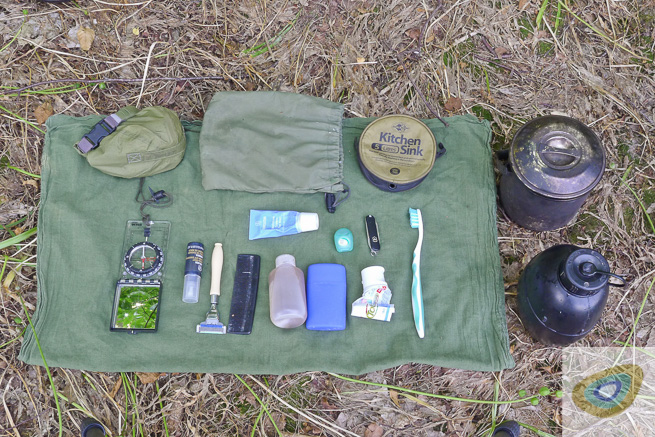
A topographic map and a reliable compass are essential tools for navigating the wilderness. While GPS devices are convenient, they rely on batteries and can malfunction. Knowing how to read a map and use a compass is a critical survival skill that can help you find your way even if technology fails.
GPS Device
A handheld GPS device or a GPS app on your smartphone can provide additional navigation assistance. Make sure to download offline maps of the area you will be exploring and carry extra batteries or a portable charger.
Shelter and Sleeping Gear
Tent or Emergency Shelter
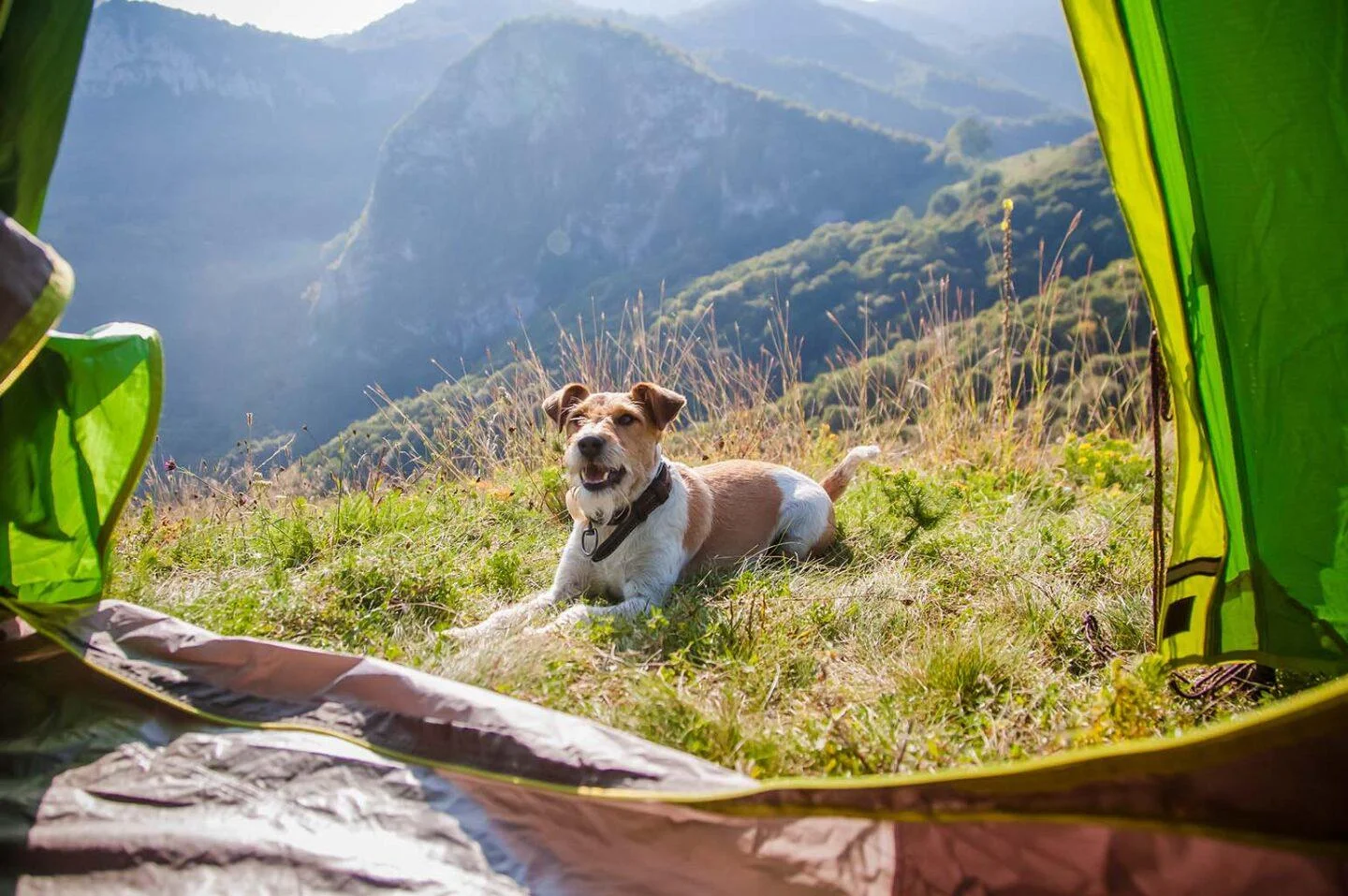
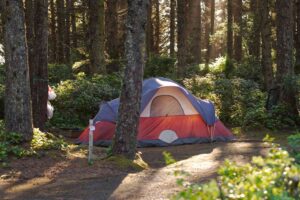
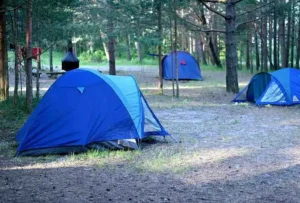
A tent offers protection from the elements and a comfortable space to rest. Choose a tent that is suitable for the season and number of occupants. If you’re traveling light, consider an emergency shelter like a bivy sack or a tarp.
Sleeping Bag and Pad
A good sleeping bag is essential for staying warm at night. Choose one with an appropriate temperature rating for the environment you’ll be in. A sleeping pad provides insulation from the cold ground and adds comfort.
Food and Water
Non-Perishable Food Items
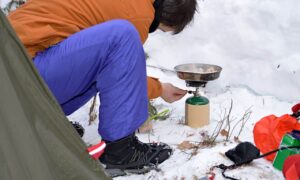
Pack lightweight, high-calorie, non-perishable food items that require minimal preparation. Options include energy bars, nuts, dehydrated meals, and jerky. Plan meals to meet your caloric needs based on the intensity of your activities.
Water Filtration and Storage
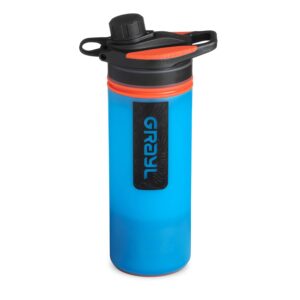
Access to clean water is vital for survival. Carry a water filter or purification tablets to treat water from natural sources. Bring a durable water bottle or hydration bladder for storage. Aim to consume at least 3 liters of water per day.
Fire-Starting Equipment
Matches, Lighters, and Fire Starters
Fire is essential for warmth, cooking, and signaling for help. Carry waterproof matches, a reliable lighter, and fire starters such as cotton balls soaked in petroleum jelly or commercial fire-starting blocks.
Fire Safety and Regulations
Always adhere to local fire regulations and practice fire safety. Build fires in designated areas and ensure they are fully extinguished before leaving. Avoid building fires in dry, windy conditions to prevent wildfires.
First Aid Kit
Basic First Aid Supplies
A well-stocked first aid kit is a must-have for outdoor adventures. Include adhesive bandages, antiseptic wipes, gauze pads, medical tape, tweezers, and pain relievers. Consider adding a first aid manual or quick reference guide.
Personal Medications
Pack an adequate supply of any personal medications you require. Keep them in a waterproof container and inform your companions about any medical conditions you may have.
Emergency and Signaling Equipment
Multi-Tool or Knife
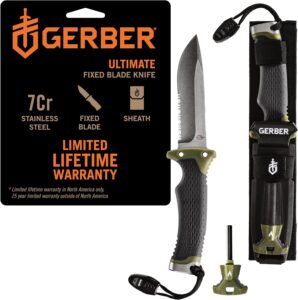
A multi-tool or knife is an invaluable tool for survival tasks such as cutting rope, preparing food, or crafting makeshift items. Choose a durable, high-quality tool with multiple functions.
Signaling Devices
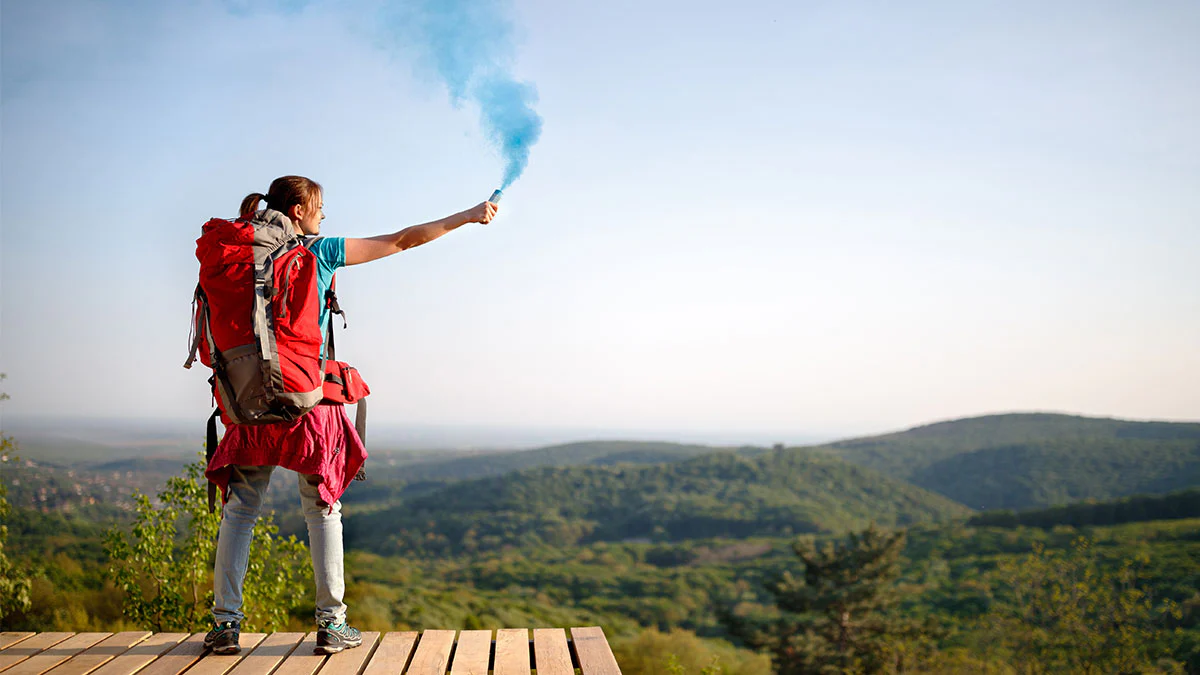
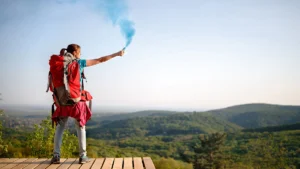
Carry signaling devices such as a whistle, mirror, or brightly colored cloth to attract attention in case of an emergency. A whistle can be heard from a greater distance than a human voice, and mirrors can reflect sunlight to signal rescuers.
Additional Equipment
Headlamp or Flashlight
A headlamp or flashlight is essential for navigating in low-light conditions. Choose a model with a long battery life and carry spare batteries. A headlamp allows for hands-free use, which is particularly useful when setting up camp or cooking.
Backpack and Dry Bags
A comfortable, durable backpack is necessary for carrying your gear. Look for one with adjustable straps, multiple compartments, and a rain cover. Use dry bags or waterproof liners to protect your belongings from moisture.
Safety and Environmental Considerations
Leave No Trace Principles
Practice Leave No Trace principles to minimize your impact on the environment. Pack out all trash, respect wildlife, and stick to established trails to preserve natural habitats.
Wildlife Awareness
Be aware of the wildlife in the area you are exploring. Know how to store food properly to avoid attracting animals and understand how to respond to encounters with potentially dangerous wildlife.
Preparation and Planning
Research and Route Planning
Research the area you will be visiting, including terrain, weather conditions, and potential hazards. Plan your route and share your itinerary with a trusted friend or family member.
Practice and Skills
Familiarize yourself with essential outdoor skills such as map reading, fire-starting, and basic first aid. Practicing these skills before your trip will boost your confidence and ability to handle unexpected situations.
Conclusion
Being prepared is the key to enjoying a safe and rewarding experience in the wilderness. By following this essential outdoor survival checklist, you can ensure you have the necessary gear and knowledge to tackle whatever challenges the wild may present. Remember, the best time to prepare is before you step foot into the wild. Happy adventuring!

Post Comment