Essential Family Camping Tips for Beginners
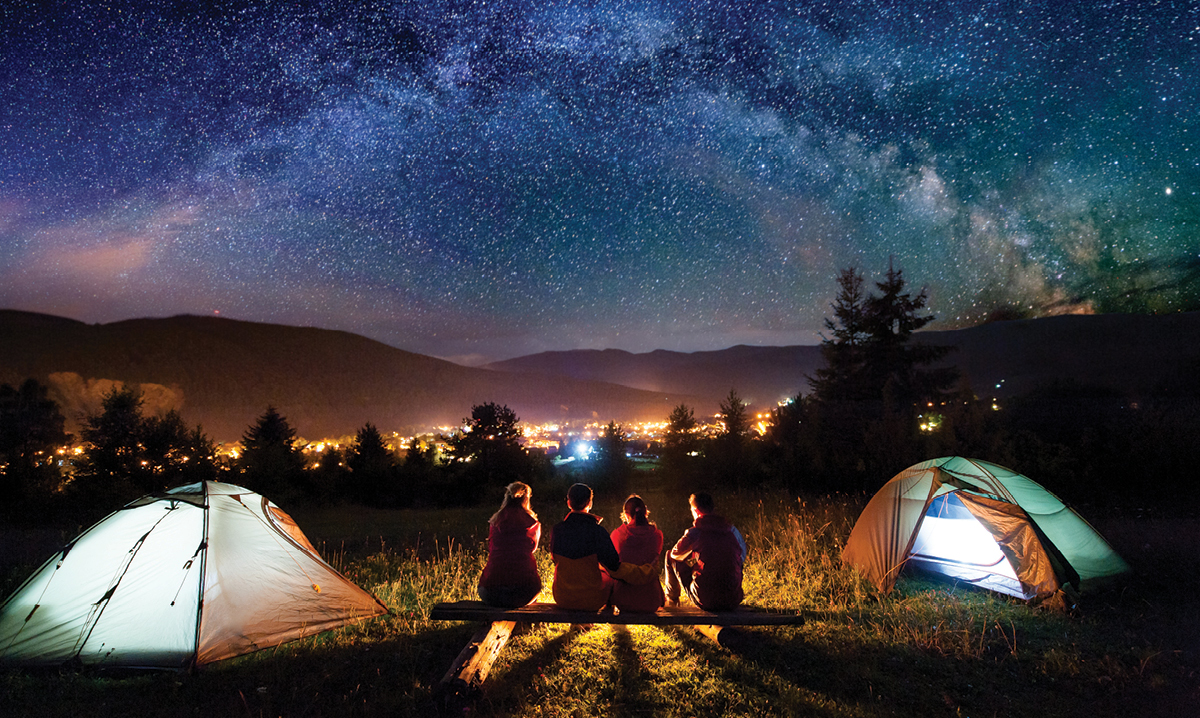
Family camping is an exciting and rewarding adventure that offers a unique opportunity to bond with loved ones while enjoying the great outdoors. For beginners, however, planning a camping trip can be daunting. This guide provides essential tips to ensure your family camping experience is enjoyable, safe, and stress-free.
Choosing the Right Campsite
Research Your Options
Before setting out on your camping trip, research various campsite options that cater to families. Look for campgrounds that offer amenities such as restrooms, showers, picnic tables, and fire pits. Popular options like national and state parks often provide these facilities and are ideal for beginners.
Consider Accessibility
When choosing a campsite, consider its proximity to your home and any nearby attractions or activities. A location that is easy to reach will minimize travel stress, especially if you have young children. Additionally, campsites near hiking trails, lakes, or playgrounds can offer a variety of activities to keep everyone entertained.
Book in Advance
Popular campsites can fill up quickly, especially during peak seasons. To secure a spot, make reservations well in advance. This will give you peace of mind and allow you to focus on other aspects of planning your trip.
Essential Camping Gear
Tents and Sleeping Arrangements
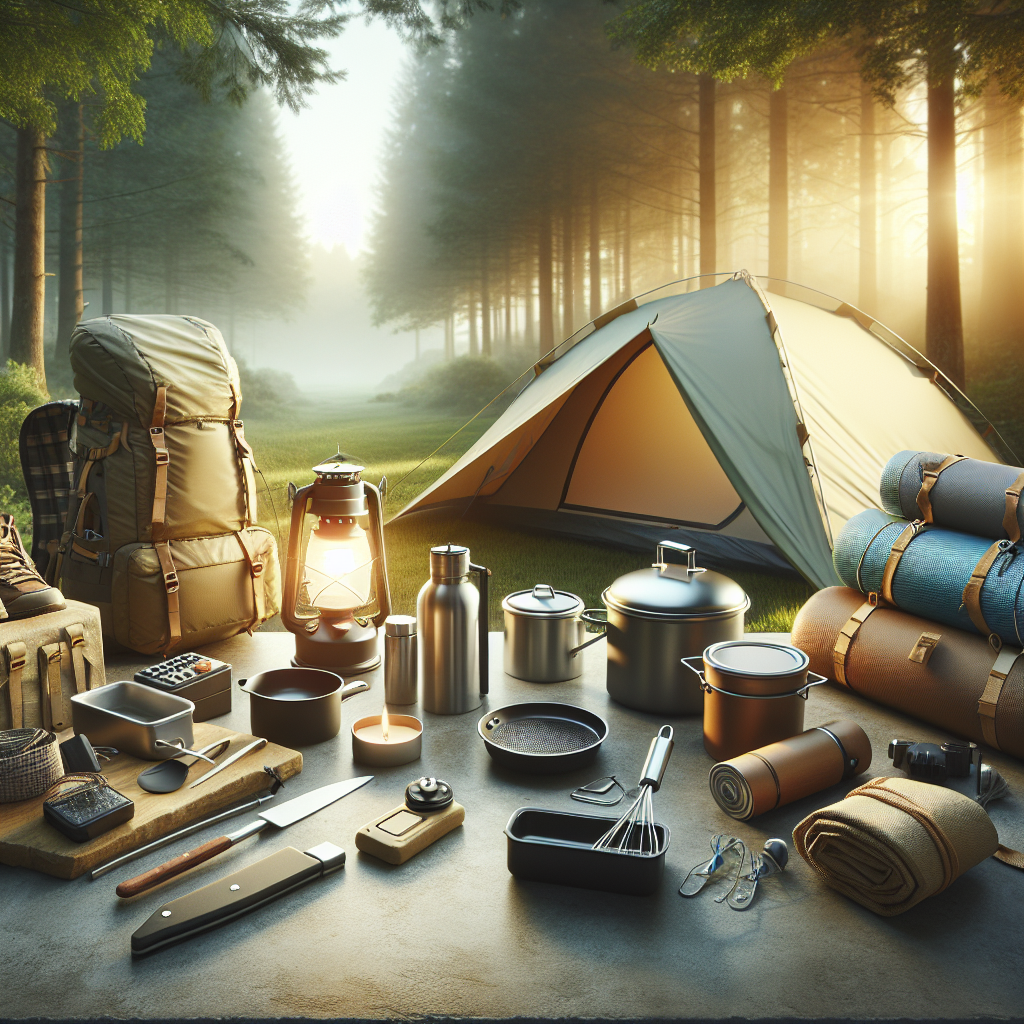
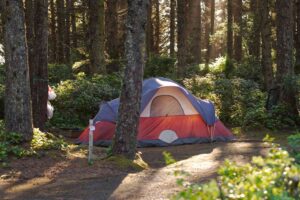
Invest in a high-quality, weather-resistant tent that comfortably accommodates your family. Consider tents with separate sleeping and living areas to provide privacy and space. Don’t forget to pack sleeping bags appropriate for the season and sleeping pads or air mattresses for added comfort.
Cooking Equipment
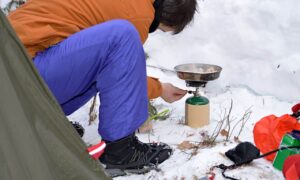
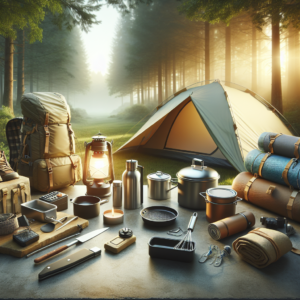
A portable camping stove or grill is essential for preparing meals. Bring enough fuel and matches or a lighter. Include cookware, utensils, and a cooler with ice packs to store perishable food items. Prepping meals at home can save time and reduce stress at the campsite.
Lighting and Safety Gear
Ensure you have adequate lighting by packing flashlights, lanterns, and extra batteries. A first aid kit is crucial for treating minor injuries, and a multi-tool can be handy for various tasks. Don’t forget to pack insect repellent and sunscreen to protect your family from bugs and sunburn.
Packing Smart for a Family Camping Trip
Organize Your Gear
To avoid chaos at the campsite, organize your gear in labeled bins or bags. This will make it easier to find items when you need them and ensure nothing is left behind. Assign each family member a responsibility to help with packing and unpacking.
Pack Appropriate Clothing
Check the weather forecast before your trip and pack clothing accordingly. Layering is key for staying comfortable in varying temperatures. Don’t forget rain gear, hats, and extra socks. A pair of sturdy shoes or hiking boots is essential for exploring the outdoors.
Bring Entertainment and Activities
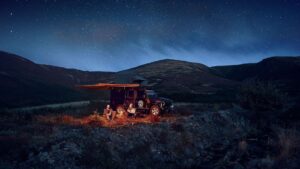
While nature provides plenty of entertainment, it’s wise to pack a few games, books, or toys for downtime. Consider bringing a camera or journal to document your adventures. Engaging in activities like fishing, hiking, or stargazing can also enhance your camping experience.
Setting Up Camp
Arrive Early
Aim to arrive at the campsite with plenty of daylight left. This will give you ample time to set up your tent and familiarize yourself with the surroundings. It’s much easier to pitch a tent and organize your campsite in the light of day.
Choose the Right Spot
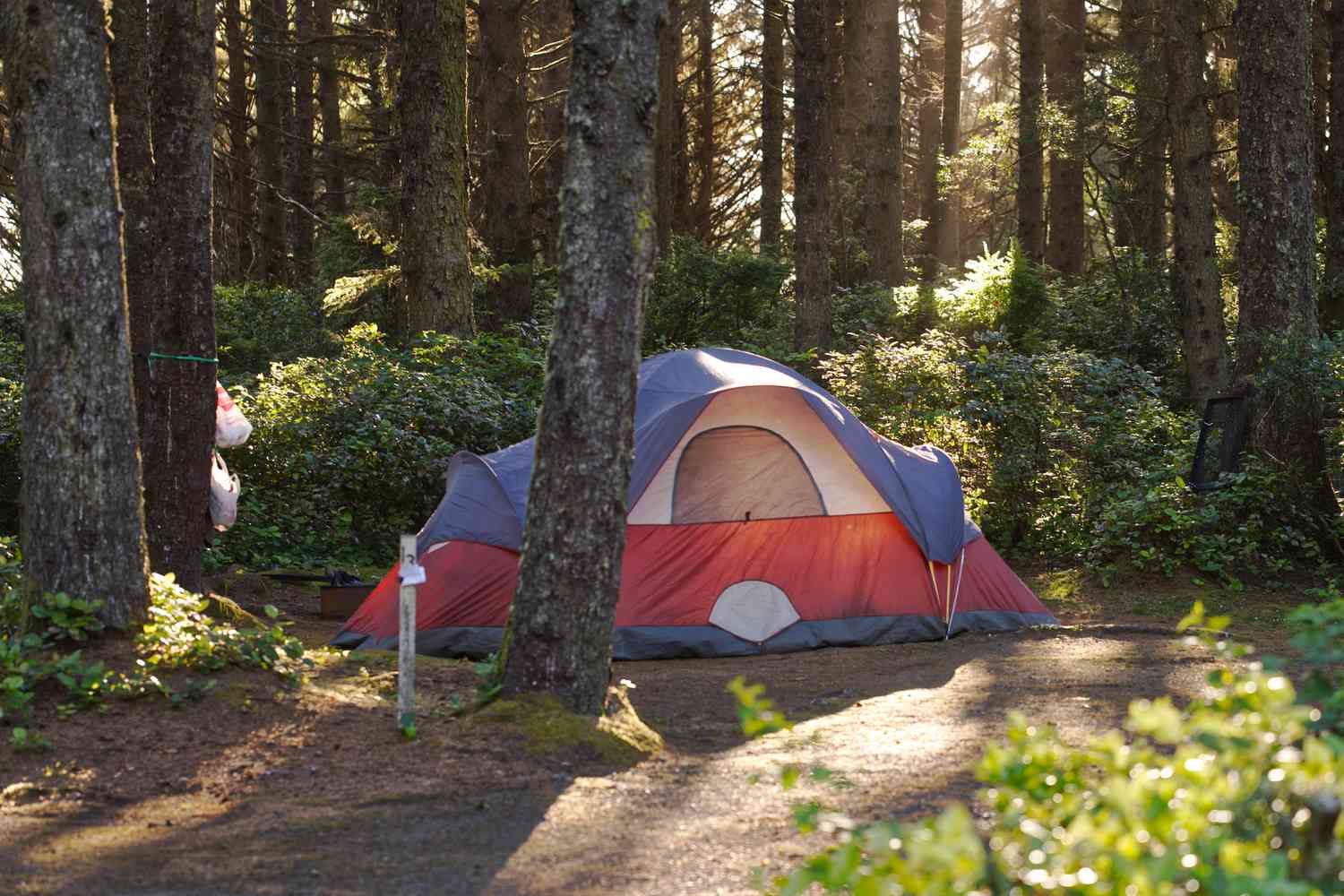
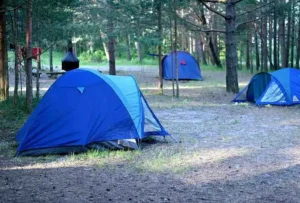
Select a flat, dry area to set up your tent. Avoid setting up too close to water sources or under trees that may drop branches. Ensure your campsite is within easy reach of amenities like restrooms and water sources.
Practice Leave No Trace
Teach your family the principles of Leave No Trace to minimize your environmental impact. Dispose of waste properly, respect wildlife, and leave natural objects as you found them. Encourage your children to appreciate and protect nature.
Meal Planning and Cooking
Plan Simple and Nutritious Meals
When planning meals, opt for simple recipes that require minimal preparation. One-pot meals, sandwiches, and pre-marinated meats are convenient options. Make a meal schedule to ensure you have all necessary ingredients and reduce food waste.
Involve the Whole Family
Cooking can be a fun family activity. Assign age-appropriate tasks to each family member, such as gathering firewood, washing dishes, or preparing ingredients. This not only makes meal prep easier but also fosters teamwork and creates memorable experiences.
Practice Food Safety
Store perishable items in a cooler with plenty of ice to prevent spoilage. Keep raw meats separate from other foods to avoid cross-contamination. Always wash your hands before handling food and ensure all cooking surfaces and utensils are clean.
Maintaining Safety and Comfort
Stay Informed About Weather Conditions
Monitor the weather forecast leading up to and during your trip. Be prepared to adjust your plans if severe weather is expected. Knowing what to expect can help you pack appropriately and ensure everyone’s safety.
Prioritize Hydration
Ensure everyone stays hydrated by drinking plenty of water throughout the day. Bring reusable water bottles and a large water jug for refills. If your campsite doesn’t have potable water, bring a water filter or purification tablets.
Set Boundaries and Rules
Establish clear boundaries and rules to keep everyone safe. Discuss the importance of staying within sight, not wandering off alone, and respecting wildlife. Equipping children with whistles can provide added security.
Making the Most of Your Camping Experience
Embrace Spontaneity
While planning is essential, allow for some spontaneity during your trip. Embrace unexpected adventures, whether it’s discovering a hidden trail or witnessing a breathtaking sunset. Being open to new experiences can enhance your camping adventure.
Encourage Relaxation
Camping is an opportunity to unplug and unwind. Encourage your family to disconnect from electronic devices and enjoy the simplicity of nature. Plan downtime for relaxation, whether it’s reading a book, taking a nap, or simply enjoying the scenery.
Create Lasting Memories
Capture the moments by taking photos, creating a scrapbook, or keeping a journal. These keepsakes will allow you to relive your adventure and cherish the memories for years to come. Encourage your children to share their favorite moments and what they learned from the trip.
Conclusion
Family camping is a wonderful way to connect with nature and each other. By following these essential tips, beginners can ensure a successful and enjoyable camping trip. From choosing the right campsite to packing smart and prioritizing safety, your family will be well-prepared to embark on an unforgettable outdoor adventure. Happy camping!




Post Comment