Essential Camping Tips for First-Time Adventurers
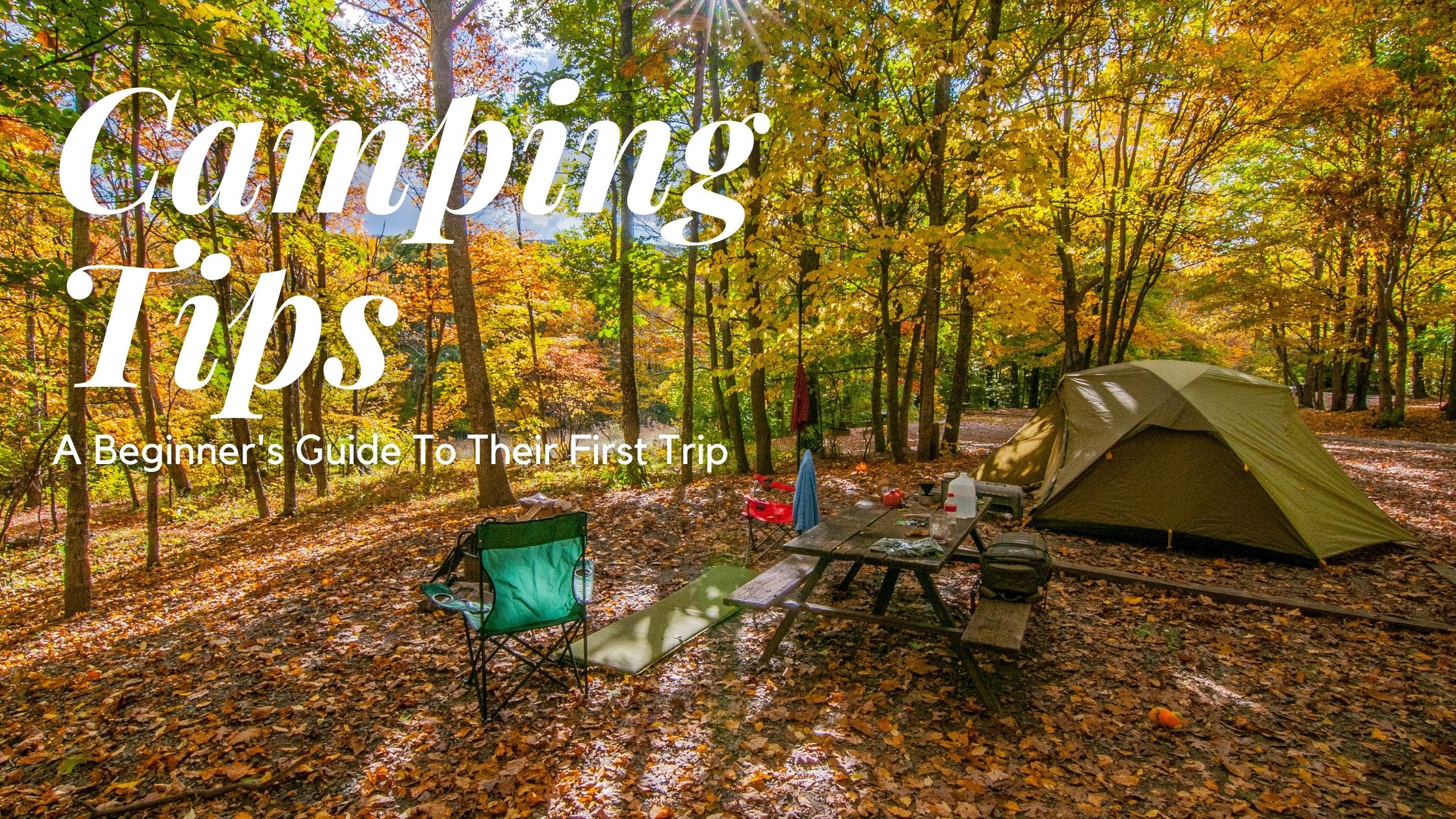
Camping is a wonderful way to escape the hustle and bustle of everyday life and immerse yourself in the beauty of nature. For first-time adventurers, camping can be both exciting and daunting. This guide is designed to equip you with essential tips and knowledge to ensure your first camping experience is enjoyable, safe, and memorable.
Planning Your Trip
Successful camping begins with thorough planning. Here are some crucial aspects to consider:
Choosing the Right Location
Selecting the appropriate campsite is crucial for a positive experience. Research campgrounds in advance and consider factors such as accessibility, available facilities, and the type of environment you prefer, whether it’s a forest, mountain, or lakeside location. For beginners, campgrounds with basic amenities like restrooms and potable water are recommended.
Understanding the Weather
Check the weather forecast for your chosen camping dates. Understanding the weather conditions will help you pack the right gear and clothing. Be prepared for sudden changes in weather, especially if you are camping in mountainous or coastal regions.
Duration of Your Stay
For your first camping trip, consider a short stay, such as a weekend. This allows you to get a feel for outdoor living without overwhelming yourself. As you gain experience and confidence, you can plan longer trips.
Essential Gear and Equipment
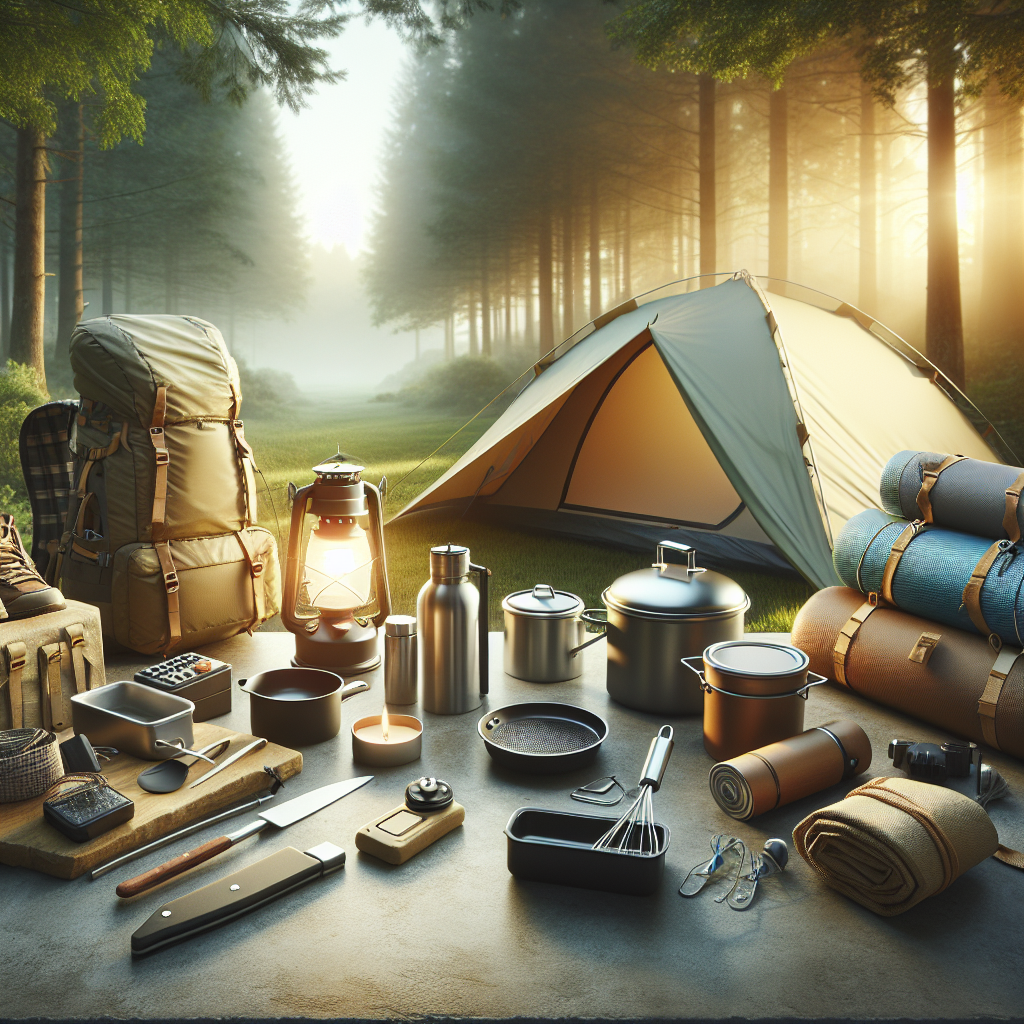
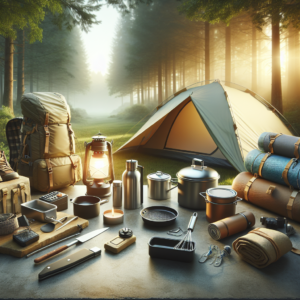
Having the right gear is vital for comfort and safety. Here’s a list of essentials every beginner camper should have:
Shelter and Sleeping
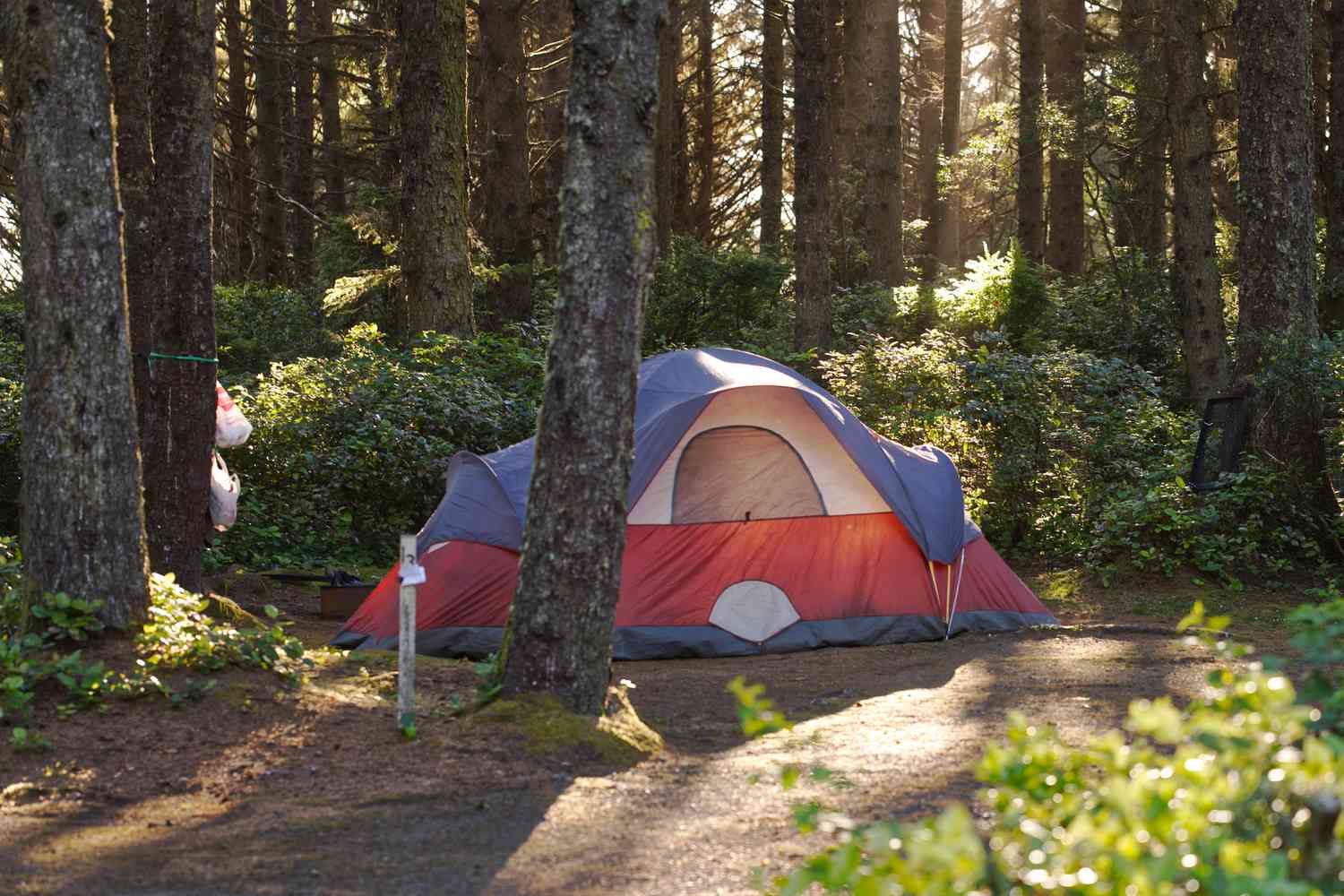
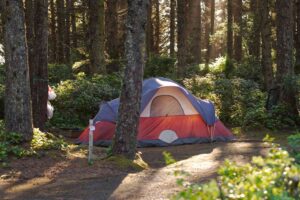
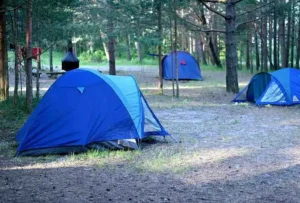
– **Tent**: Choose a tent that is easy to set up, durable, and appropriate for the number of campers. Consider weather conditions when selecting a tent; a three-season tent is suitable for most conditions.
– **Sleeping Bag**: Select a sleeping bag rated for the lowest temperature you expect. Mummy bags are excellent for retaining heat.
– **Sleeping Pad or Air Mattress**: Provides insulation from the cold ground and adds comfort.
Clothing and Footwear
– **Layered Clothing**: Dressing in layers allows you to adapt to changing temperatures. Include moisture-wicking base layers, insulating layers, and a waterproof outer layer.
– **Footwear**: Invest in sturdy, waterproof hiking boots. Break them in before your trip to avoid blisters.
Cooking and Food
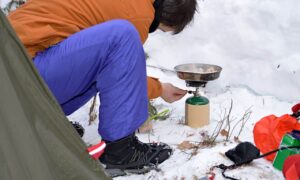
– **Portable Stove**: A compact camping stove allows you to cook meals easily. Remember to bring sufficient fuel.
– **Cookware and Utensils**: Bring lightweight pots, pans, and utensils suitable for camping.
– **Food**: Plan simple meals that are easy to prepare. Pack non-perishable items and snacks.
Navigation and Safety
– **Map and Compass/GPS**: Always carry a map and compass or a GPS device. Familiarize yourself with the terrain.
– **First Aid Kit**: A well-stocked first aid kit is essential. Include bandages, antiseptic wipes, pain relievers, and any personal medications.
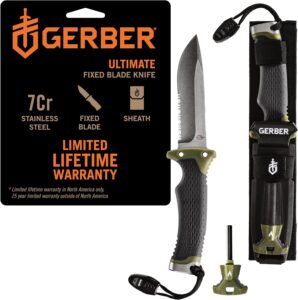
– **Multitool or Knife**: Handy for various tasks around the campsite.
Camp Setup and Management
Once you’ve arrived at your campsite, setting up efficiently is key to a stress-free experience.
Setting Up Your Tent
– Choose a flat, dry area for your tent. Clear away any debris that might damage the tent floor.
– Lay down a ground tarp to provide extra protection against moisture.
– Follow the tent instructions carefully, and ensure it is securely staked down.
Organizing Your Campsite
– Designate areas for cooking, sleeping, and relaxing. This helps keep your campsite organized and safe.
– Store food in sealed containers and away from sleeping areas to avoid attracting wildlife.
– Dispose of waste properly, following Leave No Trace principles.
Campfire Safety
A campfire can enhance your camping experience, but safety is paramount.
Building a Safe Campfire
– Use designated fire rings or pits if available. Clear an area around the fire pit to prevent spreading.
– Gather the right materials: tinder, kindling, and firewood. Avoid using accelerants like gasoline.
Maintaining and Extinguishing the Fire
– Never leave a campfire unattended. Keep water and a shovel nearby to manage the fire.
– Completely extinguish the fire before bedtime or leaving the site by dousing it with water and stirring the ashes until cool to the touch.
Wildlife Awareness
Encountering wildlife can be thrilling, but it’s important to respect and protect them.
Storing Food Safely
– Use bear-proof containers or hang food in a tree if camping in bear country.
– Never feed wildlife, as it can disrupt their natural behavior and pose risks to both animals and humans.
Maintaining Distance
– Observe wildlife from a distance. Use binoculars for a closer view.
– Avoid sudden movements and loud noises that could startle animals.
Leave No Trace Principles
Practicing Leave No Trace ensures the preservation of natural environments for future generations.
Plan Ahead and Prepare
– Know the regulations and special concerns for the area you’ll visit.
– Prepare for extreme weather, hazards, and emergencies.
Dispose of Waste Properly
– Pack out all trash, leftover food, and litter.
– Use established toilets when available. If not, dig a cat hole at least 200 feet from water sources.
Minimize Campfire Impact
– Use a lightweight stove for cooking instead of a campfire when possible.
– Keep fires small and use only fallen wood.
Enjoying the Experience
Camping is not just about survival; it’s about enjoying and connecting with nature.
Engage with Nature
– Take time to observe the flora and fauna. Bring a field guide to help identify plants and animals.
– Try activities like hiking, fishing, or birdwatching.
Unplug and Unwind
– Use this opportunity to disconnect from technology. Embrace the stillness and sounds of nature.
– Bring a journal to document your experiences and thoughts.
Conclusion
Embarking on your first camping adventure is a step into a world of exploration and discovery. With the right preparation and mindset, you can create lasting memories and develop a deep appreciation for the great outdoors. Remember, the key to a successful camping experience is being prepared, respecting nature, and savoring the unique moments that only camping can offer. Happy camping!


Post Comment