Essential Camping Safety Tips for Beginners

Camping is an exhilarating way to reconnect with nature, escape the hustle and bustle of daily life, and embark on an adventure. However, for beginners, safety should be the top priority to ensure a positive experience. This comprehensive guide will provide essential camping safety tips tailored for those new to the great outdoors.
Research Your Campsite Thoroughly
Before setting off on your camping trip, it’s crucial to research the campsite you’re planning to visit. Understand the terrain, weather conditions, and available amenities. Check if the site requires permits or has specific rules and regulations to follow. Knowing the lay of the land will help you prepare adequately and avoid potential hazards.
Understand the Terrain
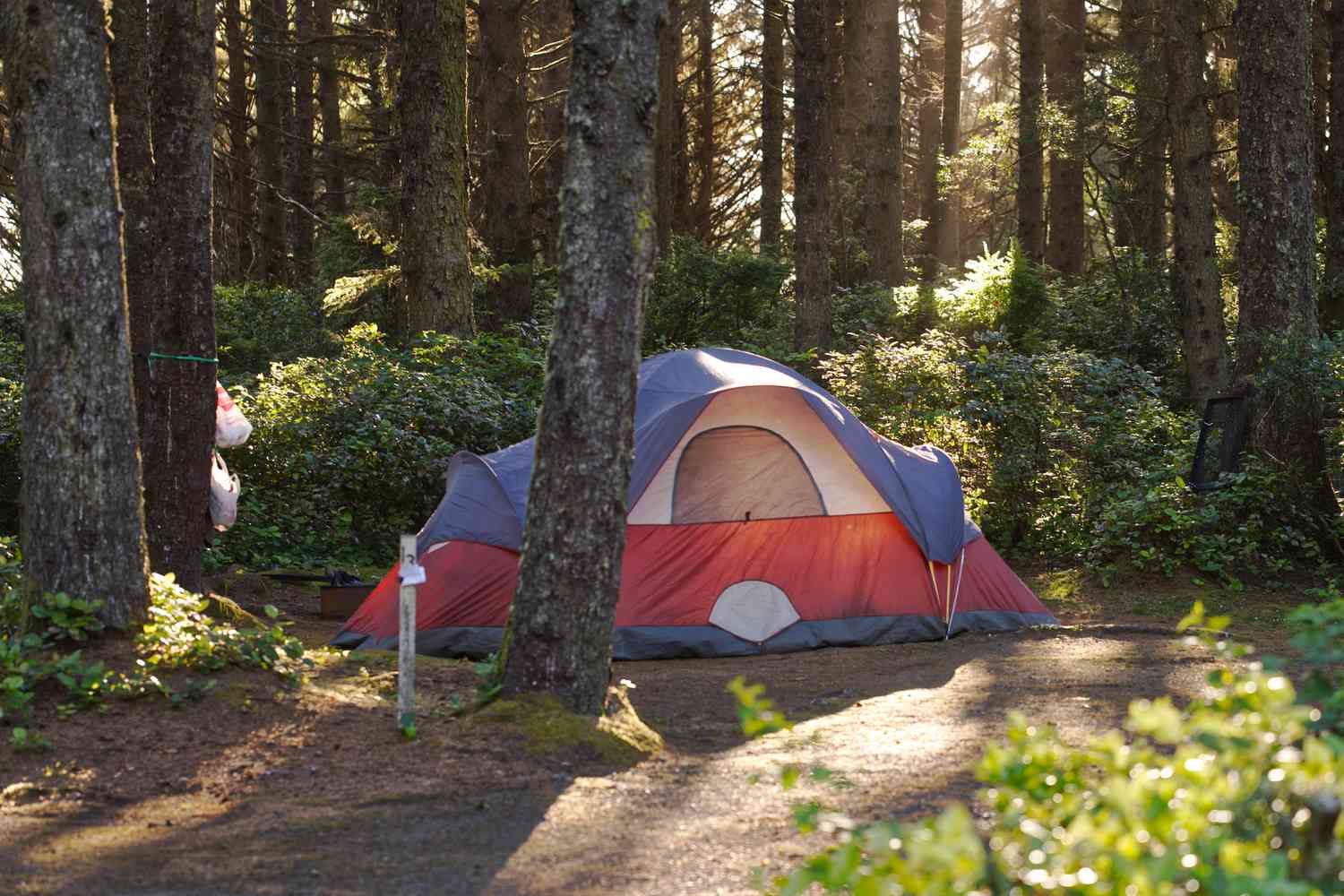
Whether you’re camping in a forest, desert, or mountainous area, each environment poses unique challenges. Familiarize yourself with the type of terrain you’ll encounter and pack accordingly. For example, rocky terrains may require sturdy hiking boots, while sandy areas may necessitate different tent stakes.
Check Weather Conditions
Weather can change rapidly, especially in mountainous areas. Keep an eye on the forecast leading up to your trip and prepare for unexpected changes. Pack rain gear, warm clothing, and sun protection to handle varying weather conditions.
Pack the Right Gear
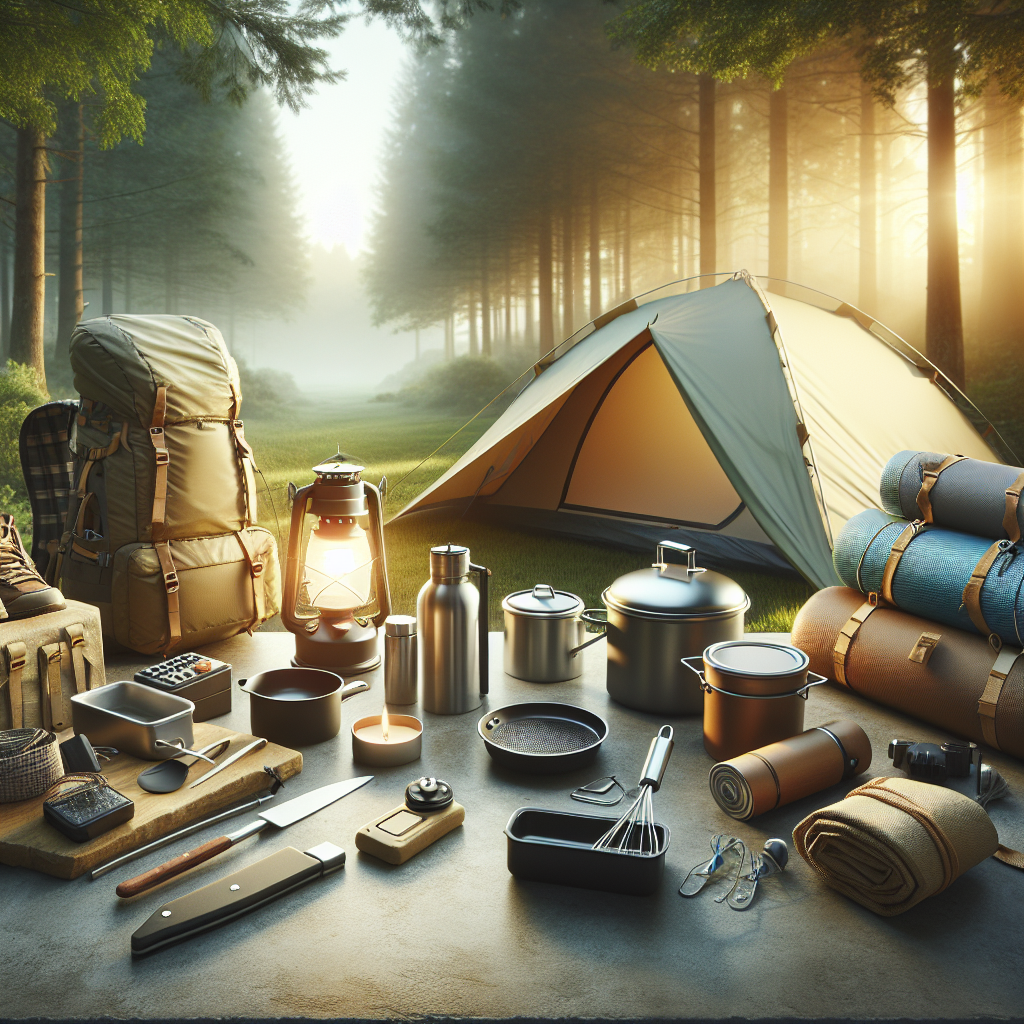
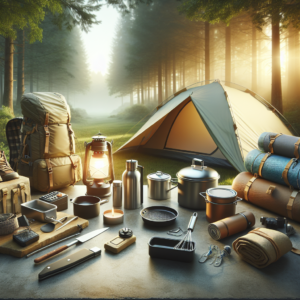
Having the right gear is essential for a safe and enjoyable camping experience. Beginners often overlook critical items that can make a significant difference in comfort and safety.
Essentials to Include
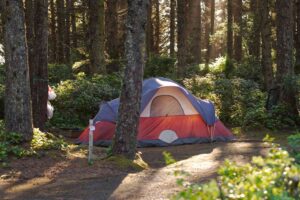
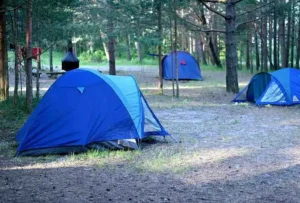
- Tent and Sleeping Gear: Choose a tent suitable for the number of campers and weather conditions. A quality sleeping bag and sleeping pad will ensure a good night’s rest.
- First Aid Kit: A well-stocked first aid kit is a must. Include bandages, antiseptic wipes, pain relievers, and any personal medications.
- Navigation Tools: A map, compass, or GPS device will help you navigate unfamiliar territory.
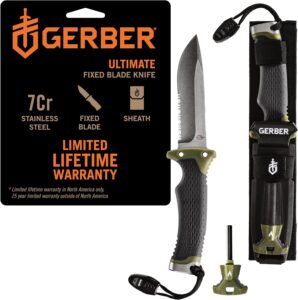
- Emergency Supplies: Pack items like a flashlight, extra batteries, and a multi-tool for unexpected situations.
- Food and Water: Plan meals carefully and ensure you have enough food and water for the entire trip. Consider bringing a portable water filter or purification tablets.
Clothing Considerations
Dress in layers to adapt to changing weather conditions. Moisture-wicking and quick-drying materials are ideal for camping. Always have a hat, gloves, and extra socks on hand.
Practice Fire Safety
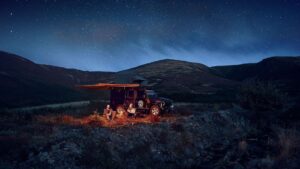
Campfires are a quintessential part of the camping experience, but they can be dangerous if not handled properly. Follow these fire safety tips to prevent accidents and wildfires.
Choose the Right Location
Build your fire in a designated fire pit or a safe, open area away from tents and flammable materials. Ensure there are no overhanging branches or nearby dry brush.
Maintain Control
Never leave a fire unattended, and keep a bucket of water, sand, or a shovel nearby to extinguish the fire quickly if needed. Ensure the fire is completely out before leaving the site or going to sleep.
Wildlife Awareness
Encountering wildlife can be one of the highlights of camping, but it’s vital to maintain a safe distance and protect yourself and the animals.
Store Food Securely
Wild animals are often attracted to food smells. Store food in airtight containers or bear-proof canisters and keep them away from sleeping areas. Hang food in a tree if necessary.
Know Your Surroundings
Learn about the wildlife native to the area you’re camping in. Understand how to react if you encounter animals such as bears, snakes, or insects.
Stay Hydrated and Nourished
Proper hydration and nutrition are crucial for maintaining energy and preventing fatigue or illness during your camping trip.
Water Safety
Drink plenty of water throughout the day. If you’re unsure about the water quality at your campsite, use a water filter or purification tablets to treat it.
Nutritional Needs
Plan balanced meals that provide energy and nutrients. Include snacks like nuts, dried fruit, and energy bars to keep your energy levels up during hikes or activities.
Emergency Preparedness
Despite careful planning, emergencies can occur. Being prepared can make all the difference in ensuring your safety.
Know How to Signal for Help
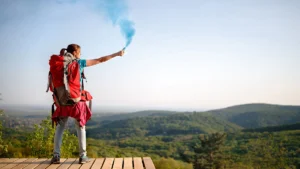
Carry a whistle, mirror, or flare to signal for help if needed. Understand the universal distress signals and how to use them effectively.
Have a Plan
Share your camping itinerary with a trusted friend or family member. Establish a check-in schedule to confirm your safety and location.
Leave No Trace
Practicing Leave No Trace principles is essential for preserving the natural environment and ensuring future campers can enjoy it as well.
Minimize Impact
Stick to established trails and campsites. Avoid picking plants or disturbing wildlife. Pack out all trash, including biodegradable items, to maintain the beauty of the area.
Respect Others
Keep noise levels down to avoid disturbing fellow campers. Be courteous and considerate, ensuring everyone can enjoy the serenity of nature.
Conclusion
Camping for beginners can be an incredible adventure when approached with the right mindset and preparation. By following these essential camping safety tips, you’ll be well-equipped to handle challenges and enjoy a memorable experience in the great outdoors. Remember, safety always comes first, and being prepared can make all the difference. Happy camping!
#ChatGPT assisted in the creation of this article.



Post Comment