Essential Camping Rules for Beginners: A Must-Read Guide
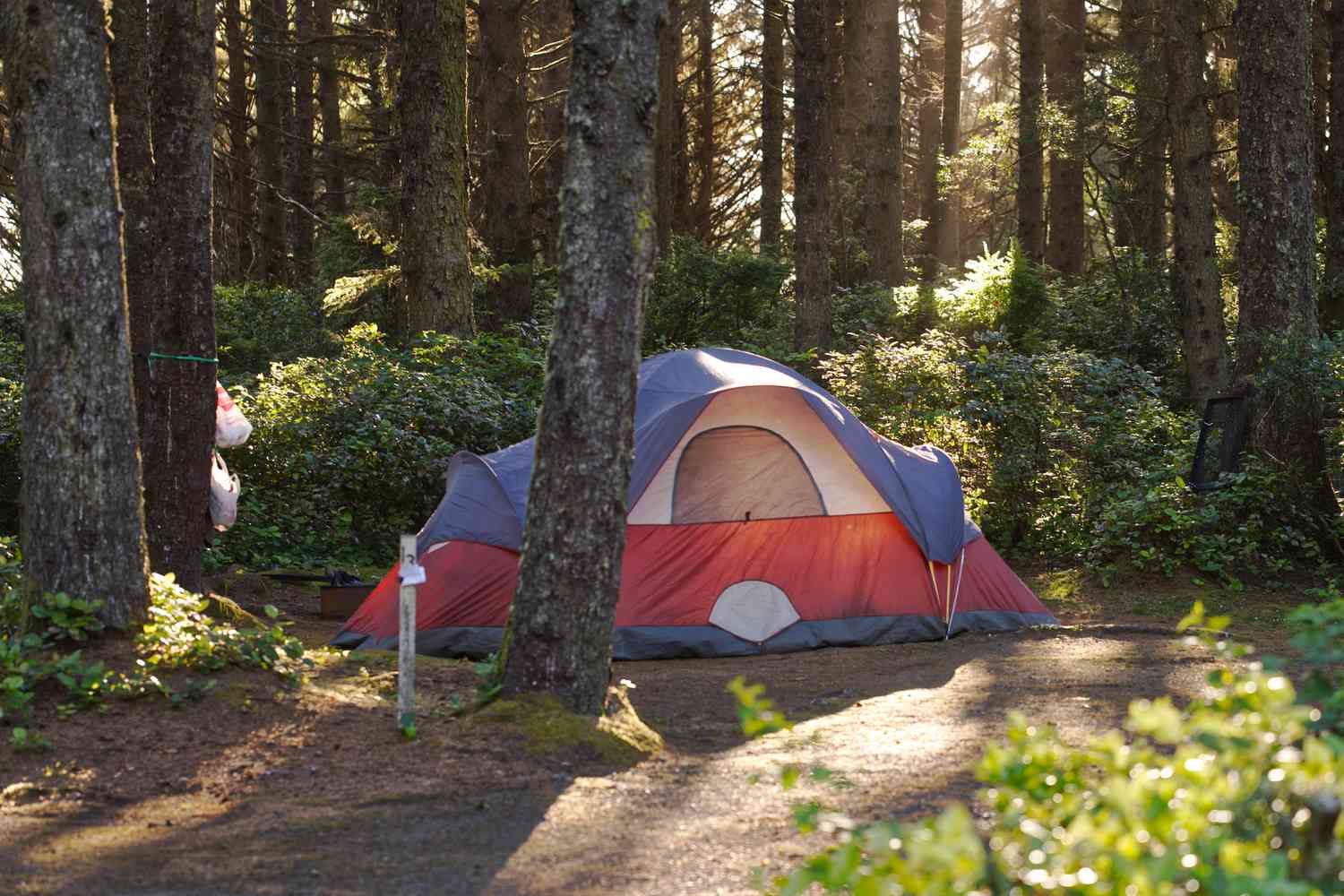
Camping offers a wonderful escape into nature, providing an opportunity to unwind, explore, and create lasting memories. For beginners, however, the prospect of camping can be both exciting and daunting. To ensure a safe, enjoyable, and respectful outdoor experience, it’s crucial to understand and adhere to some essential camping rules. This guide will help you navigate the basics and prepare for a successful camping trip.
Research and Planning
Select the Right Location
Before setting out on your camping adventure, choose a campsite that suits your experience level and interests. National parks, state parks, and private campgrounds are excellent options for beginners. Research the facilities available, such as restrooms, water sources, and fire pits. Consider the accessibility of the site and ensure it aligns with your planned activities, whether it’s hiking, fishing, or simply relaxing.
Check the Weather
Weather conditions can significantly impact your camping experience. Check the forecast for the duration of your trip and prepare accordingly. Pack appropriate clothing, gear, and supplies to handle unexpected weather changes, such as rain or cold temperatures.
Understand the Rules and Regulations
Each camping location has specific rules and regulations designed to protect both campers and the environment. Familiarize yourself with these guidelines, which may include fire restrictions, pet policies, and waste disposal instructions. Adhering to these rules ensures a pleasant experience for everyone.
Essential Gear and Supplies
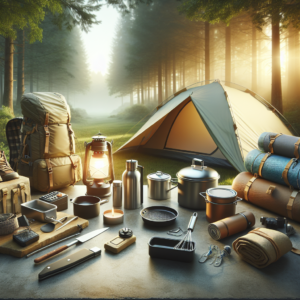
Quality Shelter
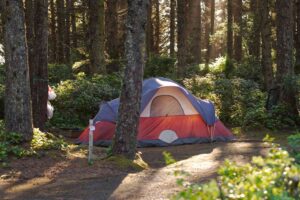
A good-quality tent is crucial for a comfortable camping experience. When selecting a tent, consider the size, ease of setup, and weather resistance. Practice pitching your tent at home to ensure you’re comfortable setting it up in the wild.
Sleep Comfortably
Invest in a sleeping bag suited for the season and a sleeping pad or inflatable mattress for added comfort. A restful night’s sleep is essential for enjoying your camping activities.
Clothing and Footwear
Pack clothing suitable for the weather and terrain. Layering is key for adapting to temperature changes. Don’t forget sturdy, comfortable footwear for hiking and exploring.
Cooking Supplies
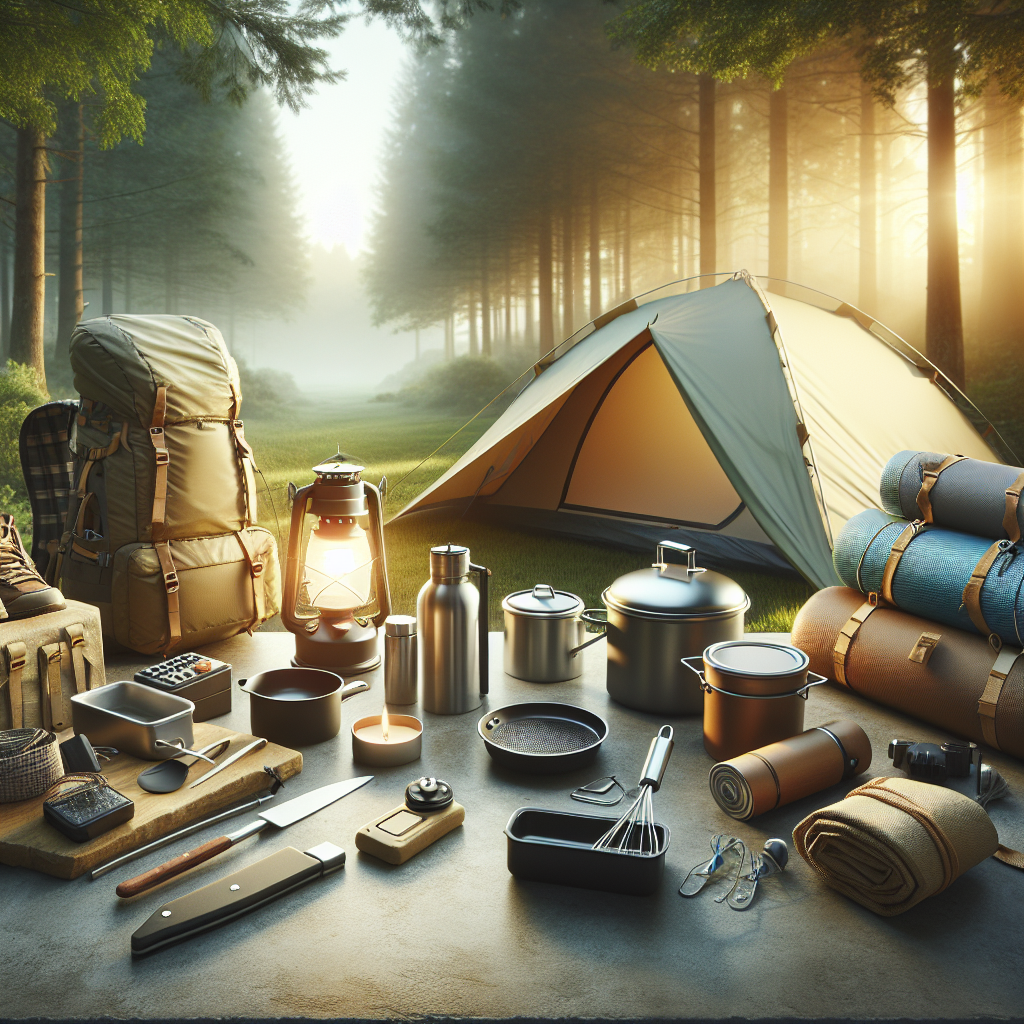
A portable stove or a camping grill is essential for preparing meals. Bring along necessary utensils, pots, and pans. Plan your meals ahead of time and pack non-perishable ingredients. Don’t forget essentials like a can opener, matches, and a cooler for perishables.
Safety and First Aid
Safety should be a top priority. Carry a well-stocked first aid kit with bandages, antiseptic wipes, pain relievers, and any personal medications. A multi-tool or knife, flashlight, and extra batteries are also essential safety items.
LNT Principles
Leave No Trace
The Leave No Trace (LNT) principles are crucial for preserving the natural beauty of camping areas. These guidelines help minimize human impact on the environment:
1. **Plan Ahead and Prepare**: Being well-prepared ensures minimal damage to the land.
2. **Travel and Camp on Durable Surfaces**: Stick to established trails and campsites.
3. **Dispose of Waste Properly**: Pack out all trash and leftover food. Use designated waste disposal facilities if available.
4. **Leave What You Find**: Preserve the natural environment by leaving rocks, plants, and artifacts untouched.
5. **Minimize Campfire Impact**: Use a camp stove for cooking and keep fires small. Follow local fire regulations and ensure fires are completely extinguished.
6. **Respect Wildlife**: Observe animals from a distance and do not feed them.
7. **Be Considerate of Other Visitors**: Keep noise levels down and respect other campers’ privacy.
Fire Safety
Build a Safe Campfire
If campfires are permitted, use designated fire rings or pits. Clear the area of flammable materials and keep water or a shovel nearby to extinguish the fire. Never leave a campfire unattended and ensure it’s fully out before leaving the site or going to sleep.
Use Alternatives
If conditions are too dry or fire bans are in place, consider using a portable stove instead of an open flame. This reduces the risk of wildfires and preserves natural habitats.
Wildlife Awareness
Store Food Securely
To avoid attracting wildlife, store food in bear-proof containers or hang it from a tree away from your sleeping area. This prevents dangerous encounters and keeps animals from becoming habituated to human food.
Observe from a Distance
Wildlife is best enjoyed from a distance. Approaching too closely can be dangerous for both you and the animals. Use binoculars for a better view and respect their natural behaviors and habitats.
Respect Other Campers
Maintain Quiet Hours
Most campgrounds have designated quiet hours. Respect these times to ensure a peaceful environment for all campers. Keep conversations and music at a considerate volume, especially during early mornings and late evenings.
Share Common Areas
Be courteous when using shared facilities like restrooms, picnic tables, and fire pits. Clean up after yourself and leave these areas as you found them for the next camper to enjoy.
Handling Emergencies
Know Basic First Aid
Understanding basic first aid can be invaluable in an emergency. Familiarize yourself with treating common camping injuries such as cuts, burns, and insect bites. Know how to recognize and respond to more serious conditions like heatstroke or hypothermia.
Have a Communication Plan
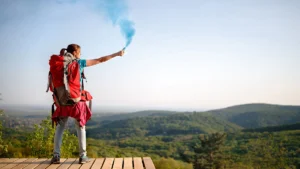
In remote areas, cell phone reception may be unreliable. Inform a friend or family member of your itinerary and expected return time. Consider carrying a whistle or mirror for signaling and a map and compass for navigation.
Enjoying Your Experience
Embrace the Disconnect
Camping is a chance to disconnect from technology and immerse yourself in nature. Take the opportunity to engage in activities like hiking, bird watching, or stargazing. Capture memories with photography rather than relying on digital devices.
Engage in Camp Activities
Explore the area and participate in activities offered, such as guided hikes or ranger-led programs. These experiences can enrich your understanding of the environment and enhance your camping adventure.
Conclusion
Camping as a beginner can be a rewarding and memorable experience when you’re well-prepared and respectful of your surroundings. By following these essential camping rules, you can ensure a safe and enjoyable trip for yourself and others. Embrace the adventure, connect with nature, and leave your campsite better than you found it. Happy camping!
#ChatGPT assisted in the creation of this article.






Post Comment