Essential Camping Preparation Checklist for Beginners
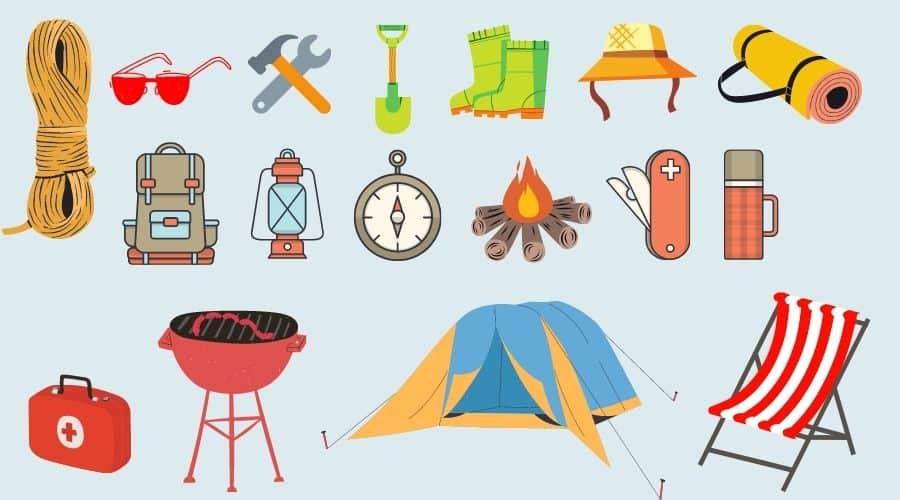
Camping is a rejuvenating escape into the arms of nature, allowing you to disconnect from the hustle and bustle of daily life. However, for beginners, the idea of spending a night in the wilderness might seem daunting. The key to a successful camping trip lies in thorough preparation. To help you get started, we have compiled an essential camping preparation checklist for beginners. By following this guide, you’ll be well-equipped to enjoy a seamless outdoor adventure.
Choosing the Right Campsite
The first step in your camping preparation is selecting the right campsite. This choice can significantly influence your overall experience.
Research
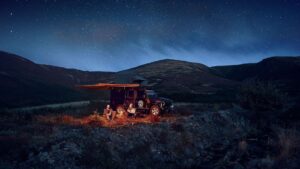
Start by researching different campsites. Consider factors such as distance from home, available amenities, and the type of environment you prefer. Are you looking for a beachside camp, a forest setting, or a mountainside retreat?
Reservations
Many popular campsites require reservations, especially during peak seasons. Ensure you book in advance to secure your spot. Check the campground’s website or call for details on fees, rules, and availability.
Regulations and Restrictions
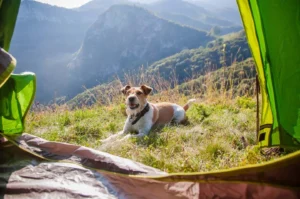
Familiarize yourself with the campsite’s regulations and restrictions to avoid any surprises. Some sites might have specific rules regarding fire pits, pets, or noise levels.
Essential Gear for Camping
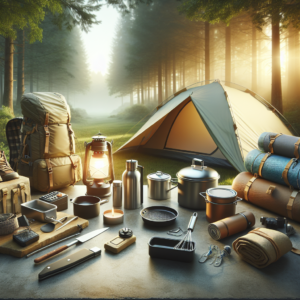
Having the right gear can make or break your camping trip. Here’s a list of essential items you should pack:
Shelter and Bedding
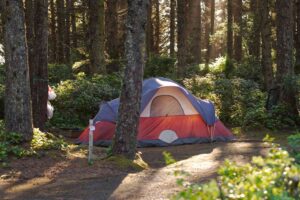
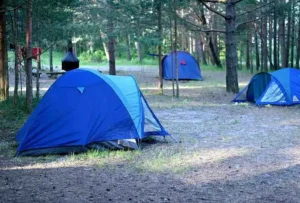
- Tent: Choose a tent that suits the number of campers. Make sure it is weather-appropriate and easy to set up.
- Sleeping Bag: Select a sleeping bag that matches the expected temperature range of your campsite.
- Sleeping Pad or Air Mattress: These provide additional comfort and insulation from the cold ground.
- Pillow: A compact and comfortable pillow will enhance your sleeping experience.
Clothing and Footwear
- Layered Clothing: Pack layers to accommodate fluctuating temperatures. Include moisture-wicking base layers, insulating mid-layers, and a waterproof outer layer.
- Sturdy Footwear: Opt for hiking boots or trail shoes for uneven terrain.
- Hat and Gloves: These are essential for sun protection and warmth during colder months.
Kitchen and Cooking Supplies
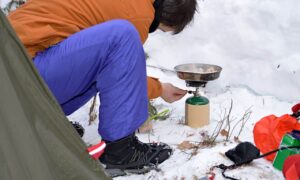
- Portable Stove or Grill: Essential for preparing meals. Remember to bring enough fuel.
- Cookware and Utensils: A basic set of pots, pans, and utensils will suffice.
- Cooler: Keeps perishable food fresh. Don’t forget ice packs.
- Biodegradable Soap and Sponge: For cleaning dishes and cookware.
Food and Water
Planning your meals in advance is crucial. Ensure you have enough food and water for the duration of your stay.
- Non-perishable Foods: Canned goods, pasta, rice, and dehydrated meals are great options.
- Snacks: Nuts, energy bars, and dried fruits are convenient and provide instant energy.
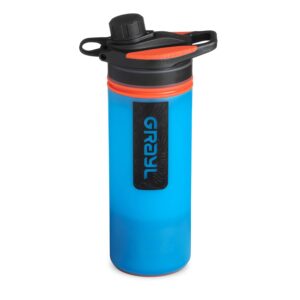
- Water: Carry enough water for drinking and cooking. A water filtration system or purification tablets can be useful for extended trips.
Safety and First Aid
Your safety should be a top priority. Preparing a comprehensive first aid kit is essential.
First Aid Kit
- Basic Supplies: Include bandages, antiseptic wipes, adhesive tape, and pain relievers.
- Personal Medications: Ensure you have an adequate supply of any prescribed medications.
- Insect Repellent and Sunscreen: Protect your skin from bugs and harmful UV rays.
Navigation and Communication
- Map and Compass: Essential for navigating unfamiliar terrain.
- GPS Device or Smartphone: Useful for navigation and emergency communication.
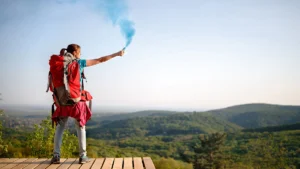
- Whistle: An essential tool for signaling for help.
Entertainment and Activities
To make the most of your camping experience, plan some activities beforehand.
Outdoor Games and Gear
- Fishing Gear: If your campsite is near a lake or river, fishing can be a relaxing activity.
- Hiking Gear: A sturdy backpack and trekking poles can enhance your hiking experience.
- Books or Journals: Perfect for some downtime or reflection.
Campfire Supplies
- Firewood and Kindling: Check if collecting wood is allowed at your campsite or if you need to bring your own.
- Firestarter: Matches, lighters, or a firestarter kit are essential for lighting a campfire.
Environmental Responsibility
As campers, it’s our duty to respect and preserve the environment. Here’s how you can minimize your impact:
Leave No Trace Principles
- Dispose of Waste Properly: Pack out all your trash and leftover food.
- Respect Wildlife: Observe animals from a distance and do not feed them.
- Be Considerate of Other Visitors: Keep noise levels low and respect other campers’ space.
Final Check and Packing Tips
Before you head out, double-check your list to ensure you haven’t forgotten anything. Here are some final tips:
- Pack Efficiently: Use packing cubes or stuff sacks to organize your gear.
- Weather Check: Always check the weather forecast and adjust your gear accordingly.
- Vehicle Preparation: Ensure your vehicle is in good condition for the journey, and familiarize yourself with the route to your campsite.
Camping is an enriching experience that allows you to reconnect with nature and create lasting memories. With this essential camping preparation checklist, beginners can embark on their first adventure with confidence. Remember to plan ahead, respect the environment, and most importantly, have fun!
#ChatGPT assisted in the creation of this article.


Post Comment