Essential Camping Packing List for Beginners Revealed
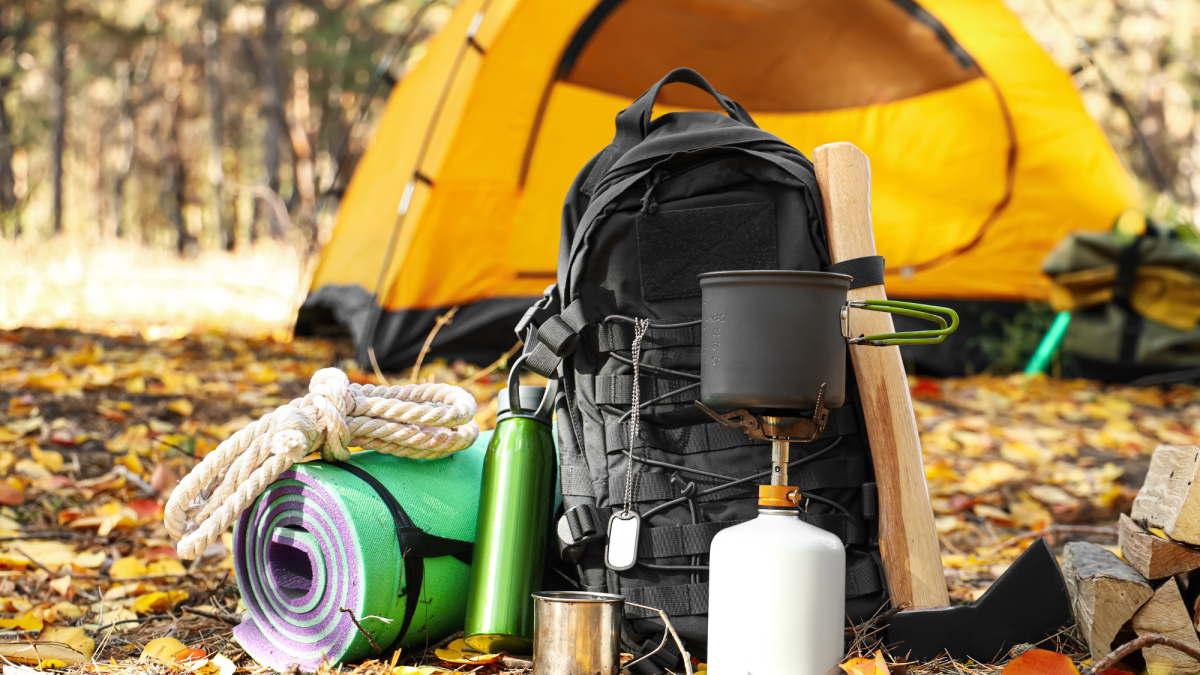
Embarking on your first camping adventure can be both exciting and daunting. The idea of escaping into nature, unwinding from the daily grind, and indulging in the simplicity of outdoor living is appealing. However, packing for a camping trip, especially for beginners, might seem overwhelming. This article aims to demystify the packing process by providing a comprehensive guide to the essential items you need to bring along. With this list, you’ll be well-prepared to enjoy your outdoor adventure with confidence!
Choosing the Right Shelter
Tent
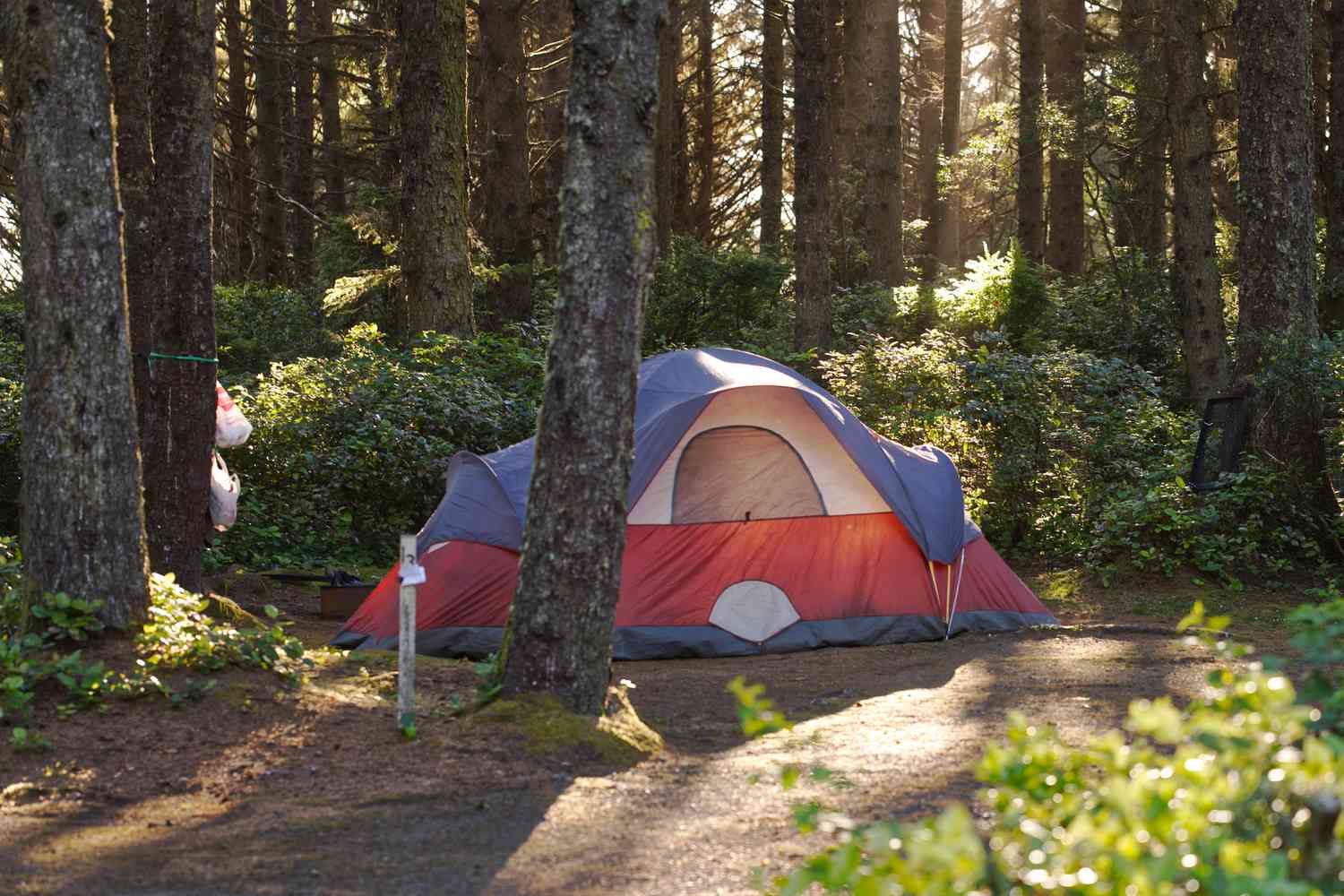
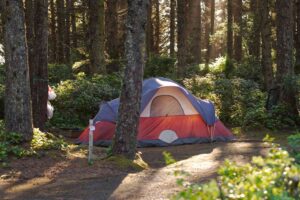
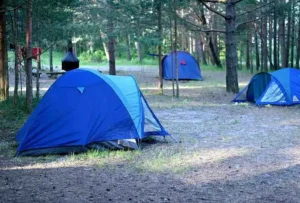
The tent is your temporary home in the wild, so it’s crucial to choose the right one. Consider the number of people it needs to accommodate and the weather conditions you might encounter. A three-season tent is usually sufficient for spring, summer, and fall. Ensure it’s easy to set up and comes with a rainfly for added protection against unexpected showers.
Sleeping Bag
Your sleeping bag is your primary source of warmth at night. Select a sleeping bag rated for the lowest temperature you expect to encounter. Mummy bags are ideal for colder weather, while rectangular bags offer more space and are suitable for milder climates.
Sleeping Pad
A sleeping pad adds a layer of comfort and insulation between you and the ground. There are three main types: air pads, self-inflating pads, and closed-cell foam pads. Each has its pros and cons, so choose one based on your comfort preference and the level of insulation you need.
Essential Cooking Gear
Camping Stove
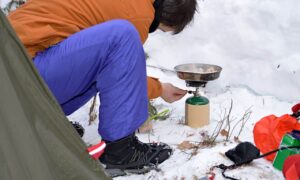
A portable camping stove is a must-have for preparing meals. There are various types, including canister stoves, liquid fuel stoves, and wood-burning stoves. Canister stoves are popular due to their ease of use and quick setup.
Cookware
Bring lightweight and durable cookware such as a pot, pan, and kettle. Non-stick options are available, making cooking and cleaning easier. Don’t forget utensils like a spatula, ladle, and a set of camping cutlery.
Food and Water
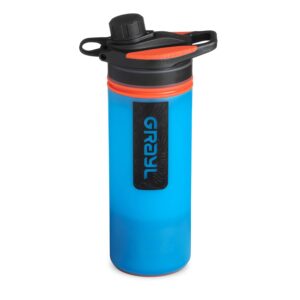
Plan your meals ahead of time and bring non-perishable foods like canned goods, pasta, rice, and dried fruits. A cooler can help keep perishable items fresh. Ensure you have a reliable water source or bring enough bottled water for your trip. A water filter or purification tablets are handy if you’re sourcing water from natural bodies.
Clothing and Personal Items
Clothing
Layering is key when it comes to outdoor clothing. Bring moisture-wicking base layers, insulating mid-layers, and a waterproof outer layer. Pack extra socks and underwear, a hat, gloves, and a buff or scarf for added warmth.
Footwear
Choose sturdy, comfortable hiking boots or shoes with good traction. Break them in before your trip to avoid blisters. Pack a pair of sandals or camp shoes for relaxing at the campsite.
Personal Items
Don’t forget personal hygiene items like a toothbrush, biodegradable soap, and a towel. A first-aid kit with band-aids, antiseptic wipes, and pain relievers is essential. Sunscreen, insect repellent, and lip balm with SPF protection are also crucial.
Navigation and Safety Gear
Map and Compass
While GPS devices and smartphones are handy, they can fail. A physical map and compass are reliable tools for navigation. Familiarize yourself with how to use them before setting out.
Headlamp or Flashlight
A headlamp or flashlight is indispensable for nighttime visibility. Bring extra batteries or a rechargeable power bank to ensure you don’t run out of light.
Multi-tool or Knife
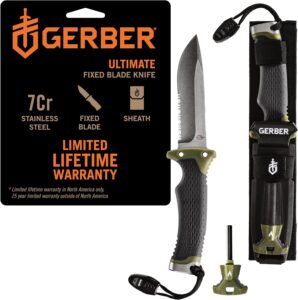
A multi-tool or knife is invaluable for various tasks, from preparing food to making repairs. Choose a compact, lightweight model with multiple functions.
Comfort and Convenience
Camping Chair
A foldable camping chair provides a comfortable place to sit and relax around the campfire. Look for one that is lightweight and easy to pack.
Portable Power Bank
Keep your devices charged with a portable power bank. Whether for taking photos or using a GPS, having a power source is convenient and can be crucial in emergencies.
Entertainment
Bring a book, a deck of cards, or a travel-sized board game for entertainment during downtime. A journal and pen are great for documenting your adventures and thoughts.
Environmental Responsibility
Leave No Trace Principles
Adhering to the Leave No Trace principles is vital for minimizing your impact on nature. Pack out all trash, respect wildlife, and stay on designated trails. Leave the campsite as you found it to preserve it for future visitors.
Eco-friendly Products
Opt for eco-friendly camping gear and products whenever possible. Biodegradable soap, reusable water bottles, and solar-powered gadgets are a few examples of sustainable choices.
Conclusion
With the right gear and preparation, your first camping trip can be a memorable and enjoyable experience. This essential packing list for beginners covers the basics you’ll need to ensure comfort, safety, and fun in the great outdoors. Remember, camping is an opportunity to connect with nature, relax, and create lasting memories. Happy camping!


Post Comment