Essential Camping Hygiene Tips for Beginners

Camping is a wonderful way to reconnect with nature, unwind, and experience the great outdoors. Whether you are camping for a weekend getaway or embarking on a longer adventure, maintaining personal hygiene is crucial for comfort and health. For beginners, understanding how to keep clean in the wilderness may seem daunting, but with some planning, it can be quite manageable. Below are essential camping hygiene tips for beginners to ensure a pleasant and hygienic camping experience.
Planning and Preparation
Before heading out, it’s vital to plan for your hygiene needs. This involves packing the right supplies, understanding your campsite’s facilities, and knowing the local regulations regarding waste disposal.
Pack the Right Supplies
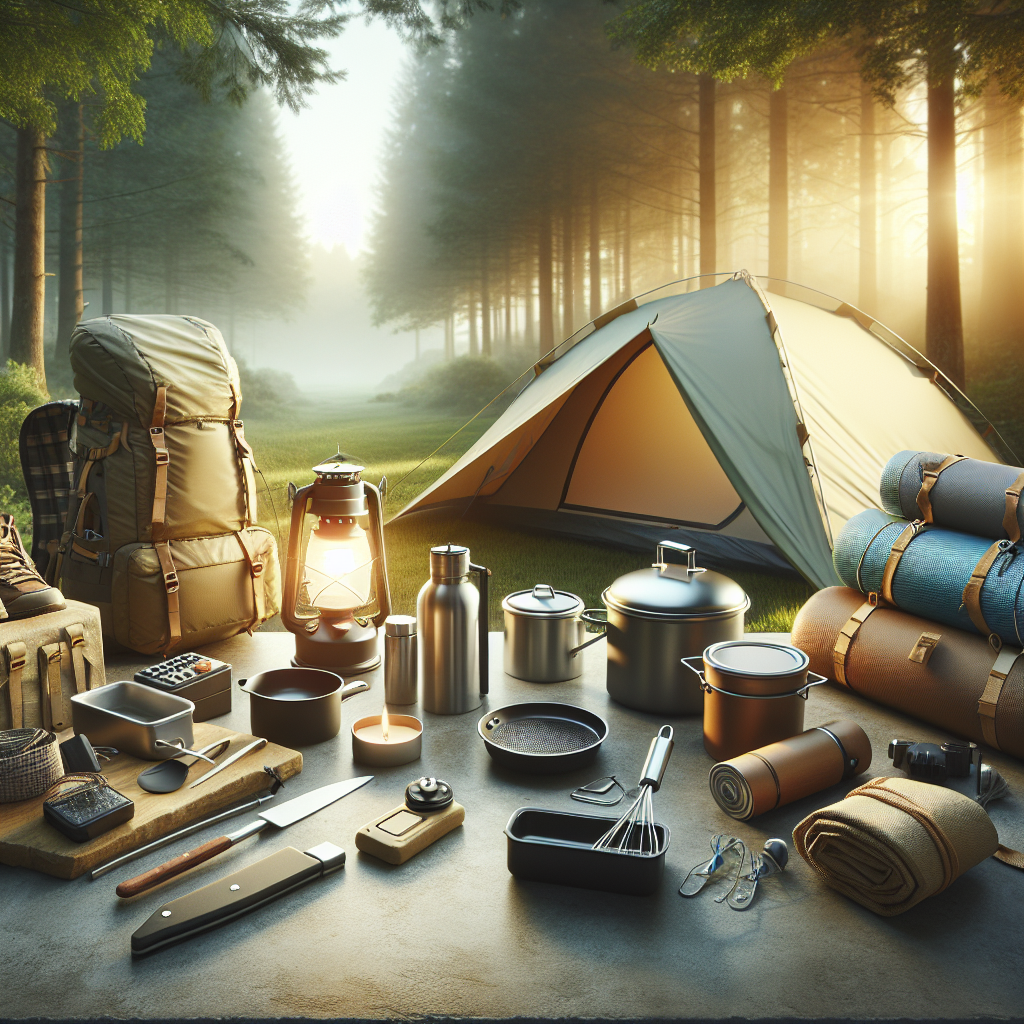
Having the right supplies is the first step to maintaining hygiene while camping. Here’s a checklist of essential items:
- Biodegradable soap and shampoo
- Hand sanitizer
- Toothbrush and toothpaste
- Microfiber towels
- Wet wipes
- Personal hygiene products (e.g., menstrual products, deodorant)
- Portable camping shower or solar shower bag
- Trash bags for waste disposal
Understand Your Campsite Facilities
Research your chosen campsite to determine what facilities are available. Some campsites offer showers and restrooms, while others may only provide basic amenities. Knowing what to expect will help you pack appropriately and plan your hygiene routine.
Local Regulations and Waste Disposal
Respect the environment by understanding local regulations on waste disposal. Many campsites have specific rules for disposing of biodegradable products and waste. Always adhere to Leave No Trace principles to minimize your impact on nature.
Personal Hygiene Practices
Maintaining personal hygiene while camping is essential for your health and comfort. Below are some practical tips to help you stay clean during your outdoor adventure.
Hand Hygiene
Keeping your hands clean is crucial to prevent the spread of germs. Always wash your hands with biodegradable soap and water after using the restroom, before eating, and after handling raw food. If water is scarce, use hand sanitizer as an effective alternative.
Oral Hygiene
Good oral hygiene is important, even in the wilderness. Brush your teeth twice a day with a toothbrush and toothpaste. To dispose of toothpaste properly, spit it into a trash bag or on the ground away from water sources, and cover it with soil to minimize environmental impact.
Body Cleansing
Staying fresh and clean involves regular body cleansing. If showers are not available, you can use a portable camping shower or a solar shower bag. Alternatively, sponge baths with a microfiber towel and biodegradable soap are effective. Wet wipes can also be used for a quick refresh, especially if you’re short on water.
Clothing Care
Change your clothes regularly to stay comfortable and avoid odors. Wear moisture-wicking and quick-dry fabrics to help manage sweat. If your trip is extended, wash your clothes with biodegradable soap and hang them to dry, ensuring you’re away from water sources to protect the environment.
Foot Care
Taking care of your feet is essential, especially during long hikes or walks. Change your socks daily to prevent blisters and odors. Wash your feet regularly and dry them thoroughly to keep them healthy and comfortable.
Environmental Considerations
While maintaining personal hygiene is important, it’s equally crucial to consider environmental impact. By following these tips, you can ensure that your camping hygiene routine is eco-friendly.
Use Biodegradable Products
Biodegradable soap and shampoo are designed to break down naturally without harming the environment. Always choose eco-friendly products for your camping hygiene needs.
Avoid Contaminating Water Sources
When washing yourself or your dishes, do so at least 200 feet away from lakes, rivers, and streams. This prevents contamination of natural water sources and protects aquatic ecosystems.
Dispose of Waste Properly
Carry out all waste, including toilet paper and hygiene products. Use a designated trash bag and pack it out when you leave the campsite. For human waste, use campground facilities or dig a cathole at least 6-8 inches deep and 200 feet from water sources, trails, and campsites.
Conclusion
Camping is a rewarding experience that allows you to disconnect from daily routines and immerse yourself in nature. By following these essential hygiene tips, beginners can enjoy their outdoor adventures while ensuring personal comfort and minimizing environmental impact. Remember, preparation is key to a successful camping trip, so pack wisely and adhere to Leave No Trace principles to preserve the beauty of the wilderness for future generations.
With these hygiene practices in mind, you’re ready to embark on your camping adventure with confidence. Happy camping!
#ChatGPT assisted in the creation of this article.






Post Comment