Essential Camping Fire Safety Tips for Beginners
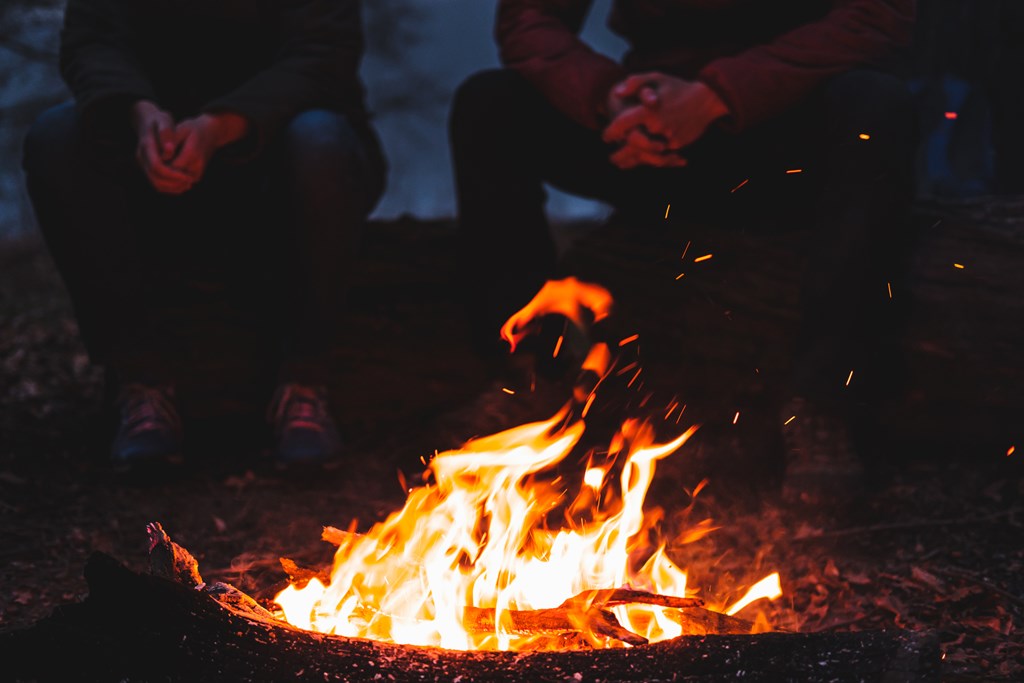
Camping is a cherished outdoor activity that allows you to connect with nature, relax, and create unforgettable memories. One of the quintessential elements of camping is the campfire, which serves as a source of warmth, a cooking platform, and a gathering point for storytelling and camaraderie. However, with the joys of a campfire come responsibilities, especially regarding safety. If you are a beginner, understanding and adhering to fire safety rules is crucial to ensure a safe and enjoyable camping experience. This article will guide you through essential camping fire safety tips to help you responsibly enjoy your outdoor adventure.
Understanding Fire Regulations and Restrictions
Before heading out on your camping trip, it is vital to research the fire regulations and restrictions specific to your chosen campsite or camping area. These rules are put in place to prevent wildfires and protect natural habitats.
Check for Fire Bans
Many regions impose fire bans during dry seasons to minimize the risk of wildfires. Always check for any fire bans or restrictions in the area where you plan to camp. Ignoring these bans can lead to hefty fines and severe consequences for the environment.
Understand Designated Fire Areas
Campsites often have designated fire pits or rings to contain campfires safely. It is crucial to use these areas when building your fire. If there are no designated fire pits, ensure that you are allowed to build a fire by checking with local authorities or campground management.
Choosing a Safe Location for Your Campfire
Location is key when it comes to campfire safety. The right spot minimizes the risk of unintended fires and ensures the safety of everyone around.
Distance from Tents and Flammable Objects
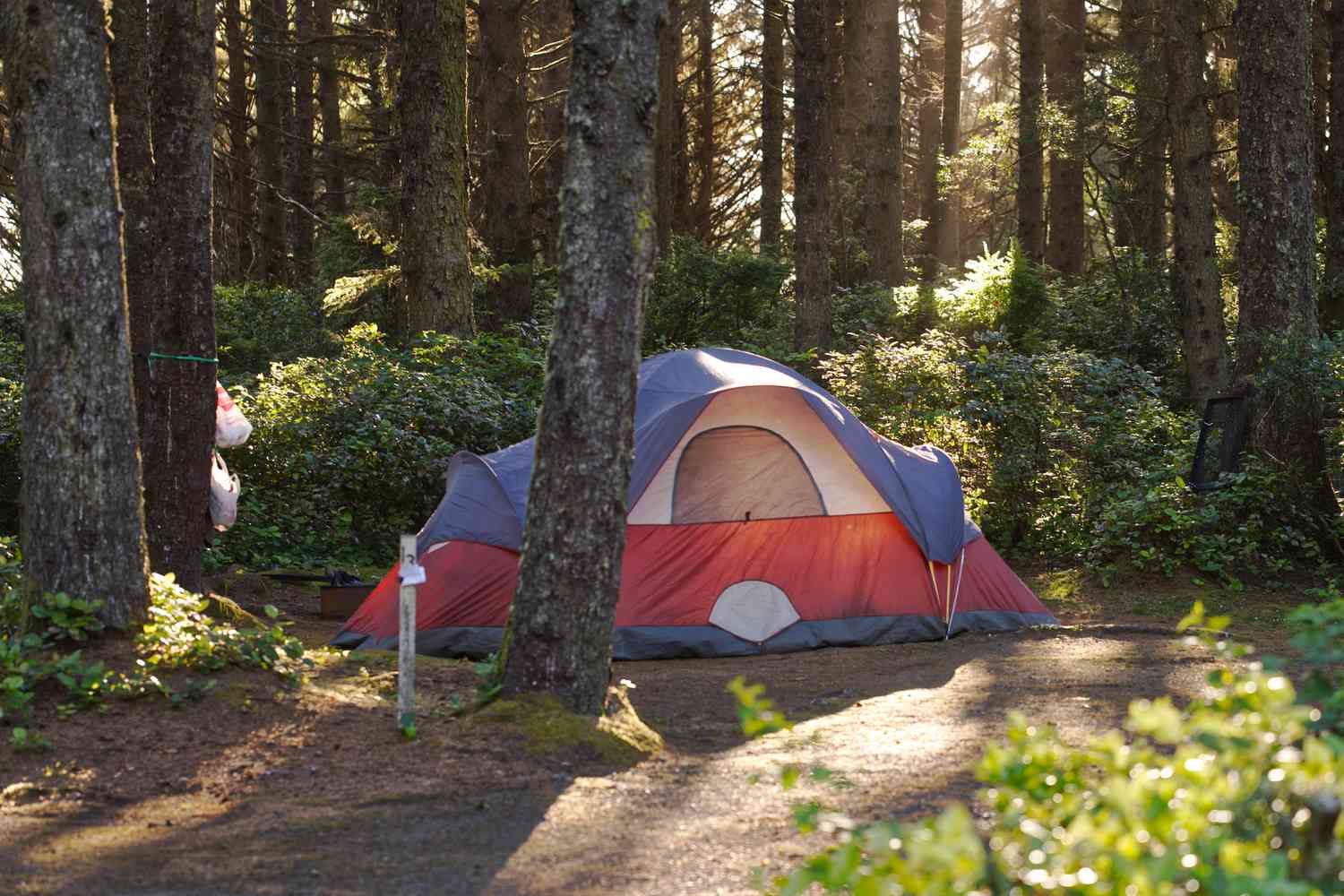
Always build your campfire at a safe distance from tents, trees, shrubs, and any flammable materials. A minimum distance of 15 feet is generally recommended. This precaution helps prevent sparks from igniting nearby objects.
Consider Wind Direction
Wind can easily carry sparks to unintended places, increasing the risk of a fire spreading. Choose a location that is shielded from the wind, and always be mindful of wind direction when tending to your fire.
Clear the Area
Before building your fire, clear the area of leaves, twigs, and other debris that could catch fire. Creating a firebreak by digging a small trench around the fire pit can also be an effective safety measure.
Building Your Campfire Safely
The way you build your campfire plays a significant role in ensuring safety. Here are some tips to build your campfire responsibly:
Use Small Kindling
Start your fire using small sticks and kindling, gradually adding larger pieces of wood as the fire grows. Avoid using gasoline or other flammable liquids to start your fire, as these can cause uncontrollable flames.
Keep It Manageable
A small, manageable fire is not only safer but also more efficient for cooking and warmth. Keep your fire contained within the fire pit or ring and never leave it unattended, even for a short period.
Have Water and a Shovel Ready
Always have a bucket of water and a shovel nearby in case you need to extinguish the fire quickly. These tools are essential for controlling the fire and preventing it from spreading.
Maintaining and Monitoring the Campfire
Once your fire is lit, proper maintenance and monitoring are crucial to ensure it remains safe throughout its duration.
Never Leave a Fire Unattended
One of the cardinal rules of campfire safety is to never leave a fire unattended. Always have someone responsible present to monitor the fire and ensure it does not become a hazard.
Manage Firewood
Only add the amount of firewood necessary to maintain a small flame. Adding too much wood can create a large fire that is harder to control.
Watch for Flying Embers
Be vigilant about flying embers, especially on windy days. These embers can travel significant distances and ignite dry materials, leading to wildfires.
Extinguishing Your Campfire Properly
Properly extinguishing your campfire is just as important as safely starting it. Here’s how to do it effectively:
Drown the Fire with Water
Begin by pouring water over the fire, ensuring all embers, coals, and sticks are soaked. Continue pouring until the hissing sound ceases, indicating that the fire is cool.
Stir and Repeat
Use a stick or shovel to stir the remains of the fire while adding more water. This process ensures that no hot spots remain. Keep stirring and adding water until everything is cold to the touch.
Check for Heat
After extinguishing the fire, carefully hover your hand over the area to feel for any remaining heat. If you detect warmth, continue adding water and stirring until the area is completely cold.
Educating Your Camping Group
If you are camping with a group, especially with children or individuals new to camping, it’s crucial to educate everyone about campfire safety.
Establish Rules
Set clear rules about campfire safety, such as not playing near the fire, keeping a safe distance, and understanding how to extinguish it properly.
Demonstrate the Process
Demonstrate how to safely build, maintain, and extinguish a fire to your camping group. Hands-on learning can be an effective way to reinforce safety practices.
Conclusion
Camping is an opportunity to enjoy the beauty and tranquility of nature, and a campfire is often at the heart of this experience. By following these essential fire safety tips, beginners can ensure that their campfire remains a source of joy and warmth rather than a potential hazard. Remember to always adhere to local regulations, choose a safe location, build and maintain your fire responsibly, and educate those around you. With these precautions in place, you can enjoy your camping adventure with peace of mind, knowing you are contributing to the safety and preservation of the great outdoors.









Post Comment