Essential Camping Basics Checklist for Beginners
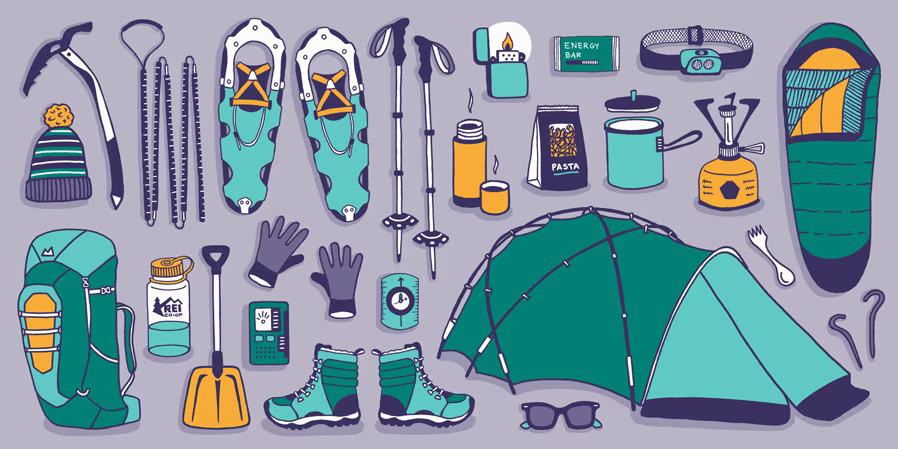
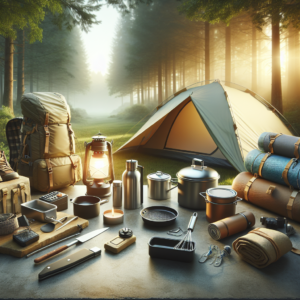
Embarking on your first camping trip is an exciting adventure that brings you closer to nature and offers a break from the hustle and bustle of everyday life. However, without proper preparation, a camping trip can quickly turn from a dream into a nightmare. To ensure that your first camping experience is a success, it’s crucial to have a comprehensive checklist of essentials. This article provides a detailed guide on the must-have items and considerations for beginner campers.
Choosing the Right Campsite
Before packing your bags, selecting the right campsite is the first and most crucial step. As a beginner, you might want to start with a developed campground that offers basic amenities like restrooms, potable water, and designated fire pits. National parks and state parks often provide these facilities and are well-maintained, making them ideal for novices.
Research and Reservations
Research the campsite in advance to understand its rules, available facilities, and weather conditions. Many popular campsites require reservations, especially during peak seasons, so plan ahead to secure your spot.
Shelter and Sleeping Arrangements
Ensuring you have a comfortable place to sleep is essential for an enjoyable camping experience. Here’s what you need:
Tent
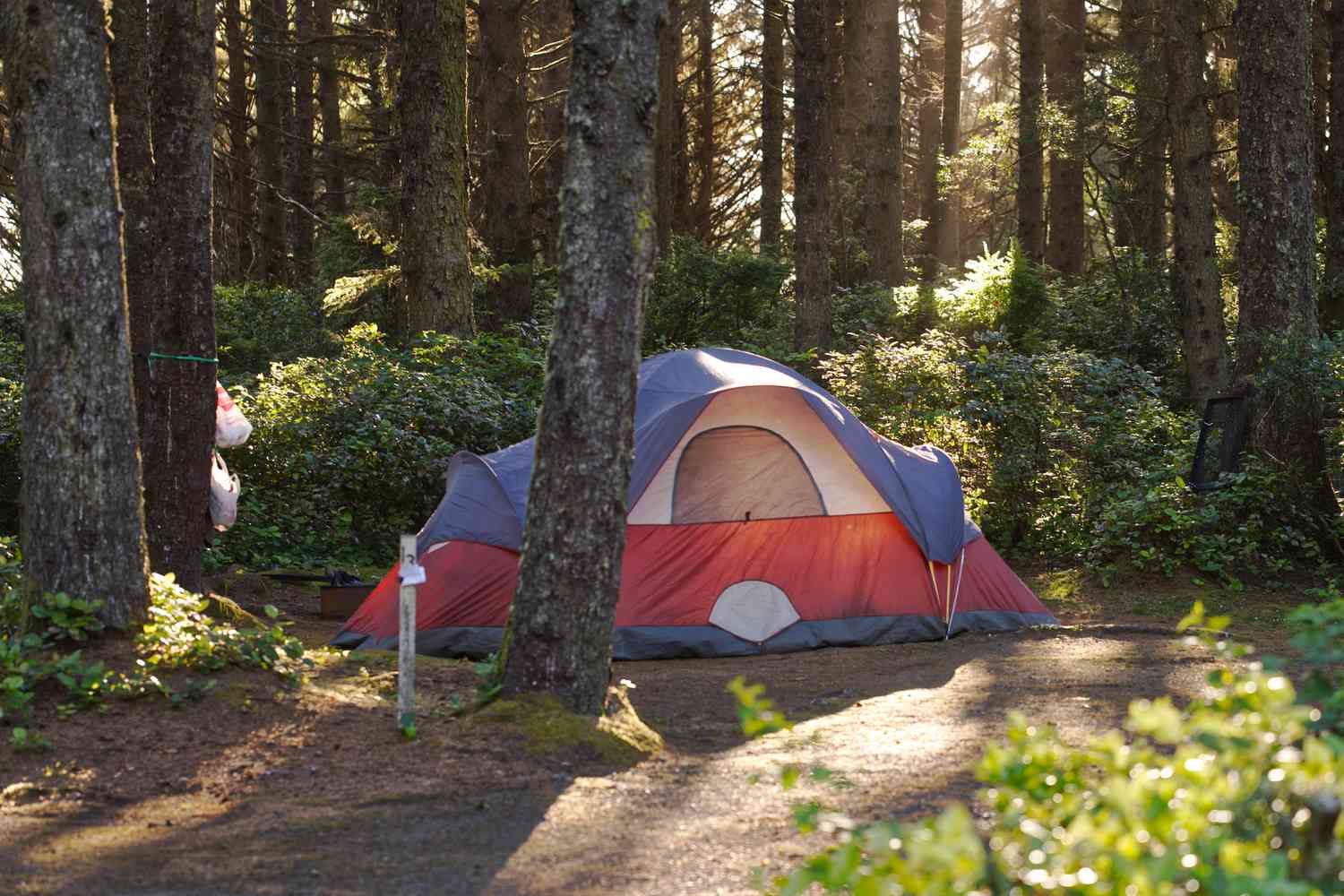
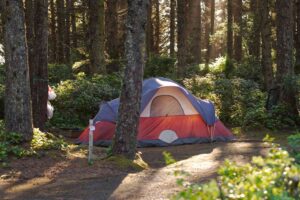
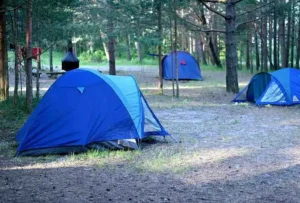
Invest in a good quality tent that is easy to set up and offers adequate space for all campers. A three-season tent is typically suitable for most conditions. Ensure it has a rainfly and a durable ground tarp or footprint to protect against moisture and abrasion.
Sleeping Bag
Choose a sleeping bag appropriate for the season and weather conditions of your campsite. Consider the temperature rating to ensure it will keep you warm during chilly nights.
Sleeping Pad or Air Mattress
A sleeping pad or air mattress not only adds comfort but also provides insulation from the cold ground. Choose one that is compact and easy to inflate or set up.
Cooking and Food Supplies
Food is a critical part of any camping trip, and planning your meals in advance will save you time and effort at the campsite.
Portable Stove or Campfire Cooking Gear
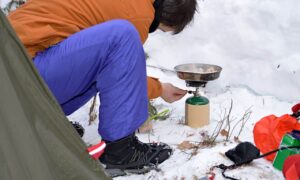
If the campsite allows campfires, you can cook over an open flame. Alternatively, a portable camping stove is a reliable and safer option. Bring enough fuel to last your trip.
Food and Utensils
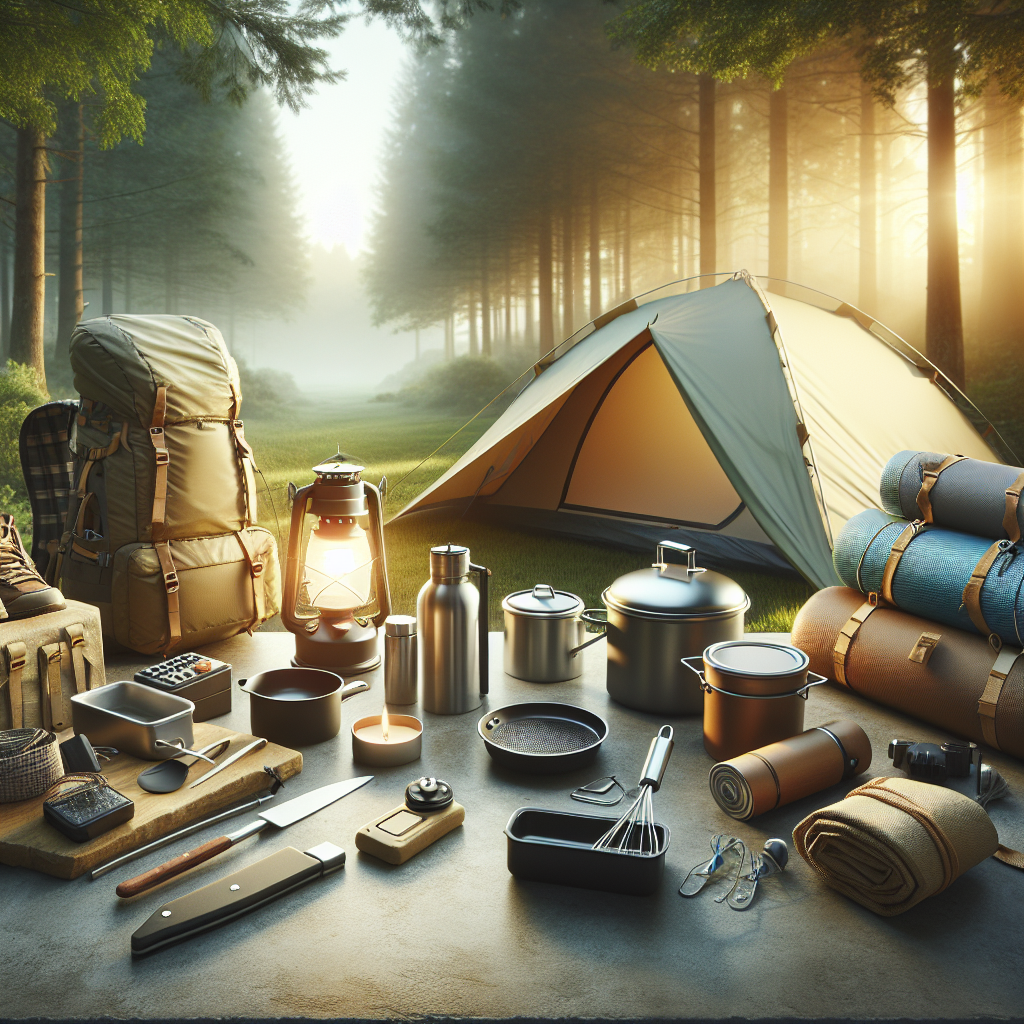
Pack non-perishable food items and plan easy-to-cook meals. Don’t forget essentials like a pot, pan, spatula, and cutlery. Consider bringing a cooler to store perishable food and beverages.
Cleaning Supplies
Bring biodegradable soap, a sponge, and a towel for washing dishes. Remember to follow the Leave No Trace principles by cleaning up after yourself and disposing of waste properly.
Clothing and Personal Items
Being prepared with the right clothing can significantly enhance your comfort during a camping trip.
Layered Clothing
Weather can be unpredictable, so pack clothing that can be layered. Include moisture-wicking base layers, insulating mid-layers, and a waterproof outer layer.
Footwear
A sturdy pair of hiking boots or shoes with good grip and support is essential for exploring trails. Additionally, pack a pair of comfortable shoes for relaxing around the campsite.
Personal Hygiene
Bring personal hygiene items such as toothpaste, a toothbrush, biodegradable soap, and a quick-dry towel. Consider packing a small first aid kit for minor injuries.
Safety and Navigation
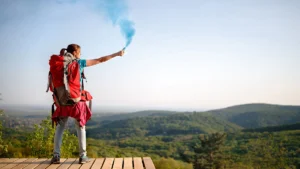
Safety should always be a priority when camping. Being prepared with the right tools can help you navigate and handle emergencies.
Map and Compass or GPS
While smartphones are handy, they might not always have a signal. Carry a physical map and compass, or a portable GPS device, to navigate unfamiliar areas.
First Aid Kit
A well-stocked first aid kit is indispensable. Include bandages, antiseptic wipes, pain relievers, and any personal medications.
Flashlight or Headlamp
A reliable source of light is essential after dark. A headlamp frees up your hands, while a flashlight is a good backup. Don’t forget extra batteries.
Miscellaneous Essentials
These additional items will enhance your camping experience and ensure you’re prepared for various situations.
Multi-tool or Knife
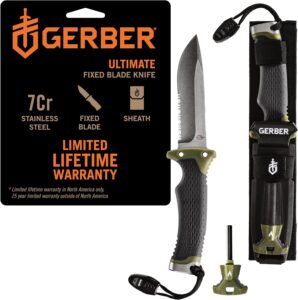
A multi-tool or knife can be used for a variety of tasks, from preparing food to making repairs.
Insect Repellent and Sunscreen
Protect yourself from insects and the sun. Choose a repellent suitable for the local pests and a sunscreen with a high SPF rating.
Camping Chair and Table
A foldable camping chair and table can make meal times and relaxation more comfortable. They are lightweight and easy to pack.
Conclusion
Camping is a wonderful way to connect with nature and unwind from daily life. By preparing a comprehensive checklist and ensuring you have all the essential gear, you can make your first camping trip a success. Remember to respect nature, follow campsite rules, and leave no trace. With the right preparation, you’ll be able to fully enjoy the beauty and tranquility that camping has to offer.
As you gain more experience, you’ll discover additional items and tips that enhance your camping adventures. Start with this checklist, and you’ll be well on your way to becoming a seasoned camper. Happy camping!
#ChatGPT assisted in the creation of this article.


Post Comment