Essential Camping Animal Safety Tips for Peaceful Trips

Camping is a wonderful way to reconnect with nature, unwind from the stresses of daily life, and enjoy the great outdoors. However, sharing space with wildlife comes with its own set of challenges. To ensure a safe and peaceful camping experience, it is crucial to understand how to coexist harmoniously with animals in their natural habitat. This article provides essential animal safety tips to help you enjoy your camping trip without unwanted wildlife encounters.
Understanding the Local Wildlife
Before embarking on your camping adventure, it’s important to research the types of animals you might encounter in the area. Understanding the local wildlife not only helps you prepare but also allows you to respect the animals’ natural behaviors and habitats. Use resources like park websites, visitor centers, and ranger talks to gather information on the species that inhabit the area, their habits, and any recent sightings or incidents.
Proper Food Storage and Disposal
One of the main reasons animals venture into campsites is the allure of food. To prevent attracting wildlife, it is crucial to store and dispose of food properly.
Use Bear-Resistant Containers
In bear country, food storage is especially critical. Use bear-resistant containers or bear hangs to keep food, cookware, and scented items out of reach. These containers should be stored at least 100 feet away from your sleeping area.
Dispose of Waste Properly
Dispose of food waste and trash in designated bins or pack it out with you. Leaving food scraps or garbage around your campsite can attract not only bears but also smaller animals like raccoons and rodents.
Keeping a Clean Campsite
A clean campsite is less likely to attract wildlife. Here’s how to maintain a tidy environment:
Wash Dishes Away from Camp
Wash dishes at least 200 feet away from your campsite using biodegradable soap. This reduces the likelihood of food smells lingering near your tent.
Store Personal Items Securely
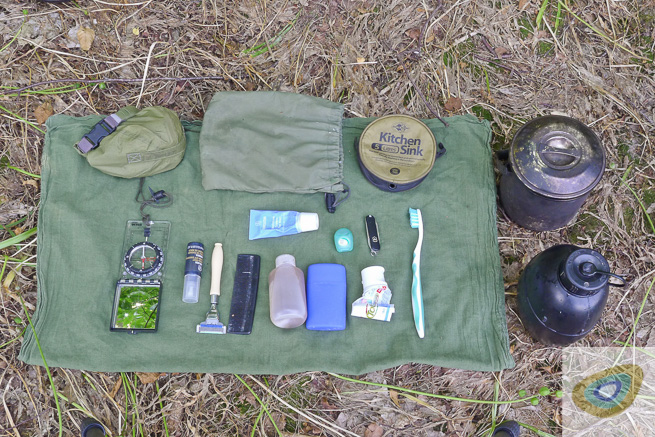
Store toiletries and other scented items in a secure location. Animals have a keen sense of smell and are often attracted to items like toothpaste, deodorant, and sunscreen.
Understanding Animal Behavior
Being aware of animal behavior can prevent dangerous encounters. Here are a few tips to help you understand and respond to wildlife:
Recognize Signs of Aggression
Learn to recognize signs of aggression or stress in animals, such as growling, raised fur, or mock charges. If you encounter an animal displaying these behaviors, back away slowly and calmly without turning your back on the animal.
Do Not Approach or Feed Wildlife
Maintain a safe distance from all wildlife. Feeding animals not only teaches them to associate humans with food but can also lead to aggressive behavior. Remember, a fed animal is often a dead animal.
Protection and Deterrents
There are several tools and techniques you can use to protect yourself and deter wildlife from approaching your campsite:
Carry Bear Spray
In areas with a high likelihood of encountering bears, carrying bear spray is a wise precaution. Familiarize yourself with how to use it effectively and keep it easily accessible.
Use Noise as a Deterrent
Making noise while hiking or moving around your campsite can alert animals to your presence, reducing the chance of startling them. Clap, talk, or sing to make your presence known, especially in areas with limited visibility.
Camping with Pets
Pets can attract wildlife, especially predators. If you choose to bring your pet camping, follow these guidelines:
Keep Pets on a Leash
Always keep your pets on a leash and under control. Unattended pets can wander off, potentially leading to dangerous encounters with wildlife.
Do Not Leave Food or Bowls Out
Just like human food, pet food can attract animals. Store pet food securely and remove bowls after feeding your pet.
Staying Safe During Wildlife Encounters
Despite all precautions, you may still encounter wildlife during your trip. Knowing how to react can prevent a situation from escalating:
Encountering Bears
If you encounter a bear, stay calm and avoid sudden movements. Speak in a calm, firm voice and slowly back away. If a bear follows you, stop and stand your ground, making yourself appear larger by raising your arms.
Dealing with Snakes
Watch where you step or place your hands to avoid startling a snake. If you encounter one, give it space and allow it to move away. Snakes usually prefer to avoid confrontation.
Conclusion: Respect and Coexistence
Camping in the wild offers a unique opportunity to experience nature in its purest form. By taking these animal safety tips to heart, you can ensure a peaceful and enjoyable trip. Remember, the key to a successful camping experience is respecting the wildlife and their natural environment. By preparing adequately, maintaining a clean campsite, and understanding animal behavior, you can minimize risks and enhance your outdoor adventure. Enjoy your trip, and leave no trace!
#ChatGPT assisted in the creation of this article.











Post Comment