Essential Beginner Camping Tips for a Memorable Adventure
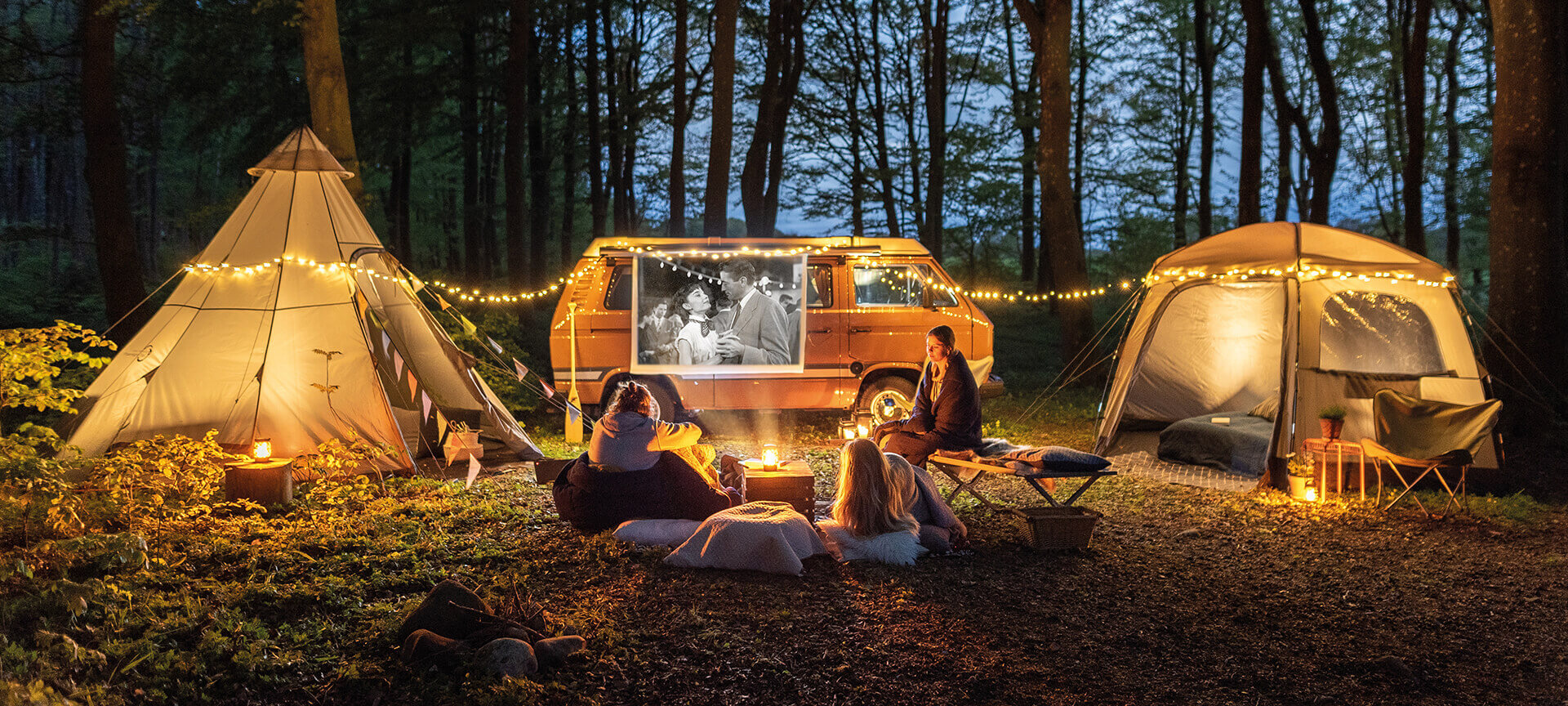
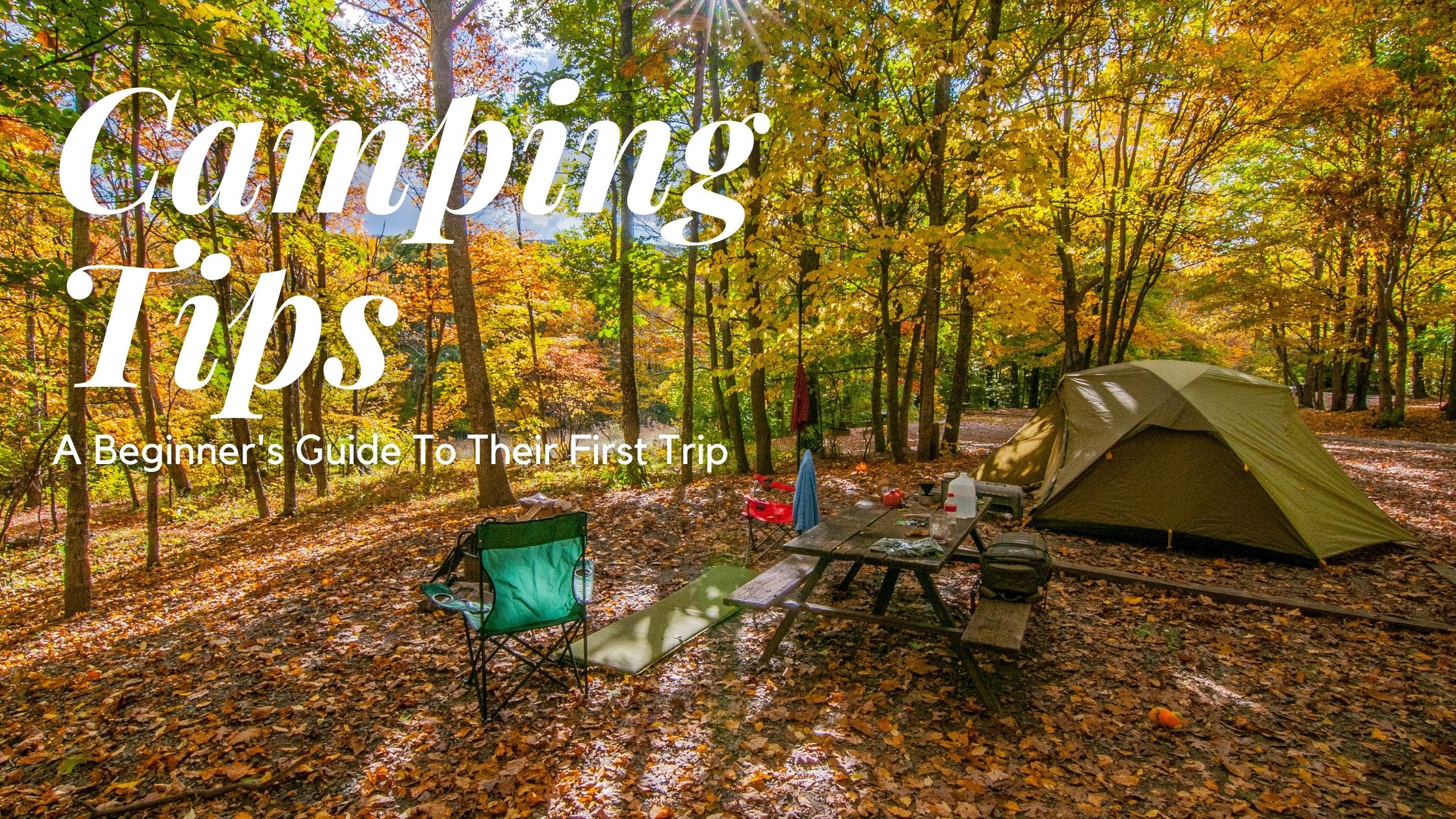
Camping offers a fantastic opportunity to escape the hustle and bustle of everyday life and immerse yourself in the great outdoors. Whether you’re seeking solitude in nature or a fun-filled family adventure, camping can provide a refreshing break. However, if you’re new to camping, the prospect of spending a night under the stars might be daunting. Fear not! This guide will walk you through essential beginner camping tips to ensure your adventure is both memorable and enjoyable.
Planning Your Camping Trip
Choose the Right Campsite
The first step in planning a successful camping trip is selecting the right campsite. Consider factors such as location, accessibility, amenities, and activities available. If you’re a beginner, starting with a campsite that offers basic amenities like restrooms and potable water can make your experience more comfortable. Research online reviews or ask experienced campers for recommendations.
Understand the Weather
Weather can significantly impact your camping experience. Check the forecast for your chosen location before you go and pack accordingly. Layered clothing is essential, as temperatures can drop significantly at night. Waterproof gear is also a must-have to ensure you stay dry in case of rain.
Create a Checklist
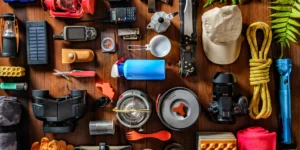
To avoid forgetting essential items, create a detailed checklist. Include items such as a tent, sleeping bags, cooking equipment, food, clothing, and first aid supplies. As you pack, check off each item to ensure nothing is left behind.
Essential Camping Gear
Choosing the Right Tent
Your tent is your home away from home, so it’s crucial to choose one that suits your needs. Consider the size, ease of setup, and weather durability. For beginners, a tent with simple assembly instructions is ideal. Ensure your tent is large enough to accommodate your group and provides adequate ventilation.
Sleeping Gear
A good night’s sleep is vital for an enjoyable camping experience. Invest in a high-quality sleeping bag suitable for the expected temperatures. Additionally, a sleeping pad or air mattress can add extra comfort by providing insulation and cushioning from the ground.
Cooking Equipment
Cooking in the great outdoors can be a delightful experience. Bring along a portable stove or campfire grill, pots and pans, and utensils. Plan simple meals that are easy to prepare and require minimal cleanup. Don’t forget to pack biodegradable soap and a sponge for dishwashing.
Safety and Preparedness
First Aid Kit
A well-stocked first aid kit is a non-negotiable item for any camping trip. Include bandages, antiseptic wipes, adhesive tape, pain relievers, and any personal medications. Familiarize yourself with basic first aid procedures to handle minor injuries or illnesses.
Wildlife Awareness
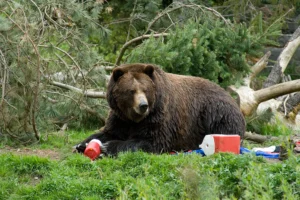
While encountering wildlife can be exciting, it’s essential to maintain a safe distance and avoid feeding animals. Store food securely in bear-proof containers or hang it from trees to prevent attracting wildlife to your campsite. Learn about the local wildlife and how to react if you encounter them during your trip.
Navigation Tools
Even if you plan to stay at a well-marked campsite, it’s wise to carry navigation tools like a map, compass, or GPS device. Cell phone signals may be unreliable in remote areas, so having backup navigation methods is essential.
Setting Up Camp
Pitching Your Tent
Once you arrive at your campsite, select a flat, dry area to pitch your tent. Clear the ground of any debris or sharp objects that could damage your tent floor. Take your time to properly stake the tent and secure the rainfly for added weather protection.
Campfire Safety
A campfire adds warmth and ambiance to your camping experience, but safety is paramount. Follow local regulations regarding campfires and use designated fire rings if available. Keep a bucket of water or sand nearby to extinguish the fire completely before leaving the area or going to sleep.
Enjoying Your Camping Adventure
Embrace Outdoor Activities
Camping is the perfect time to explore new activities like hiking, fishing, or birdwatching. Research the area beforehand to discover trails or natural features worth exploring. Always adhere to Leave No Trace principles by staying on designated trails and minimizing your impact on the environment.
Unplug and Relax
One of the joys of camping is disconnecting from technology and enjoying the simplicity of nature. Take this opportunity to unwind, read a book, or simply listen to the sounds of the wilderness. Encourage your fellow campers to engage in conversations and enjoy each other’s company without distractions.
Stargazing
Camping offers a unique chance to witness the beauty of the night sky. Far away from city lights, the stars shine brightly, offering a breathtaking view. Bring along a telescope or use a stargazing app to identify constellations and planets. It’s a magical experience that adds a special touch to your camping adventure.
Conclusion
Embarking on your first camping trip can be an exhilarating experience filled with new discoveries and cherished memories. By following these essential beginner camping tips, you can ensure a safe, enjoyable, and unforgettable adventure. Remember to plan ahead, pack wisely, and embrace the simplicity of life outdoors. With the right preparation and mindset, you’ll soon find yourself falling in love with the wonders of camping.





Post Comment