Easy Camping Ideas for Beginners to Try

Camping is a fantastic way to escape the hustle and bustle of daily life and connect with nature. However, for beginners, it can seem daunting with all the gear, planning, and skills involved. Fear not! With the right approach and some simple ideas, anyone can enjoy a successful camping trip. This article will provide easy camping ideas for beginners to try, ensuring you have a stress-free and enjoyable experience in the great outdoors.
Choose the Right Campsite
One of the first steps to a great camping experience is selecting an appropriate campsite. Beginners should look for established campgrounds with facilities such as restrooms, running water, and marked trails. These sites often have clear directions and are designed to accommodate novice campers.
Research Campground Amenities
Before heading out, research campgrounds within a reasonable distance from home. Consider the amenities offered, such as showers, picnic tables, and fire pits. Many state and national parks have websites with detailed information about their facilities. Opting for a site with basic amenities can make the transition to camping much smoother.
Book in Advance
Popular campsites can fill up quickly, especially during peak seasons. To avoid disappointment, book your campsite in advance. This also allows you to choose the best spot available, such as near the water or away from busy areas for more privacy.
Keep Your Gear Simple
As a beginner, it’s easy to become overwhelmed by the sheer volume of camping gear available. Start with the basics and gradually expand your collection as you become more experienced.
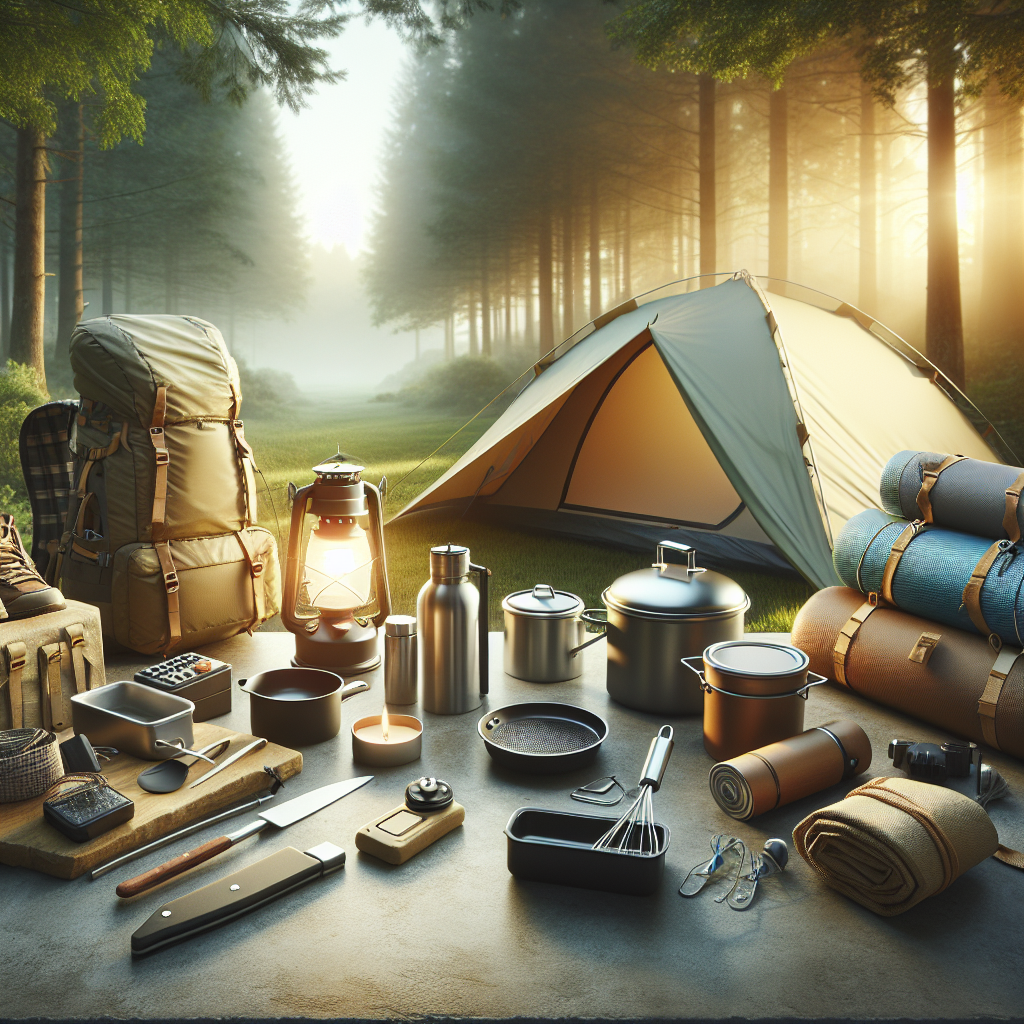
Essential Gear Checklist
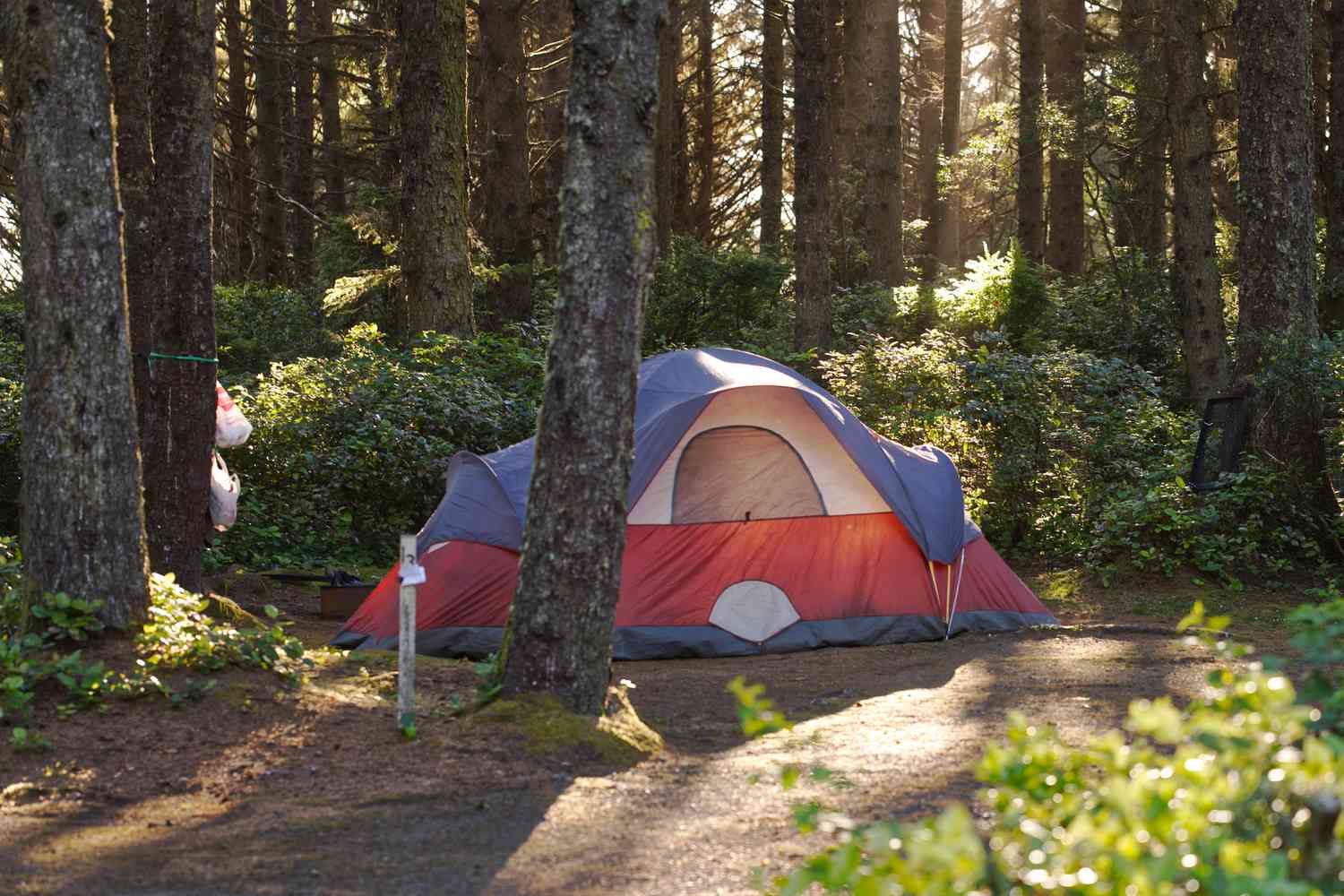
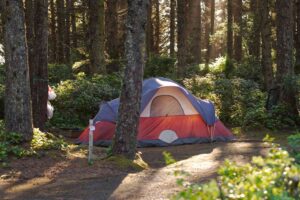
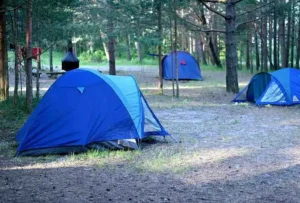
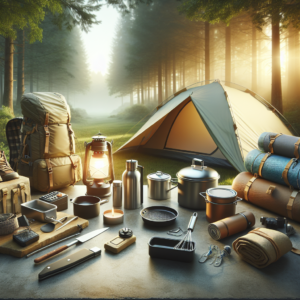
1. **Tent**: Choose a tent that’s easy to set up and suitable for the number of people camping. A 3-season tent is a versatile choice for beginners.
2. **Sleeping Bag and Pad**: Look for a sleeping bag with a temperature rating suitable for the season. A sleeping pad will add comfort and insulation from the ground.
3. **Cooking Supplies**: A portable stove or a grill, along with basic cooking utensils like spatulas and pots, will suffice for cooking needs.
4. **Lighting**: Bring a flashlight or headlamp for each person. Lanterns are useful for illuminating the campsite.
5. **First Aid Kit**: Always have a basic first aid kit on hand for minor injuries.
Rent or Borrow Gear
If you’re unsure about investing in camping equipment, consider renting or borrowing gear from friends or family. This allows you to try out camping without the commitment and expense of purchasing new gear.
Plan Simple Meals
Cooking at a campsite doesn’t have to be complicated. With a little preparation, you can enjoy delicious meals without much hassle.
Easy Meal Ideas
– **Breakfast**: Oatmeal packets, granola bars, or pre-made pancakes are quick and require minimal cooking.
– **Lunch**: Sandwiches, wraps, or salads are easy to prepare and pack for a day of exploration.
– **Dinner**: Skewers of meat and vegetables, foil packet meals, or pasta dishes made on a portable stove are satisfying and simple to make.
Pre-Prepare Ingredients
Prepare as much as possible at home to save time and effort at the campsite. Chop vegetables, marinate meats, and measure out ingredients before leaving. Store them in labeled containers or zip-lock bags for easy access.
Practice Setting Up Camp
Setting up your campsite can be one of the most challenging aspects for beginners. Practice setting up your tent and other gear at home before your trip. This will help you become familiar with the equipment and reduce stress upon arrival at the campsite.
Choose a Flat, Clear Spot
When you arrive at the campsite, look for a flat, shaded area to pitch your tent. Clear away any rocks, sticks, or debris that could damage the tent or cause discomfort while sleeping.
Stake Down the Tent
Ensure your tent is securely staked down, especially if windy conditions are expected. Properly staked tents will remain stable and provide a more comfortable shelter.
Embrace Campfire Fun
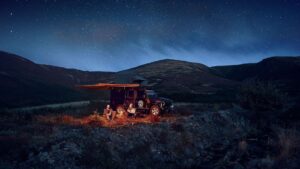
A campfire is a quintessential part of the camping experience. It provides warmth, light, and a gathering spot for socializing and storytelling.
Fire Safety Tips
– Always check fire regulations at your campsite and adhere to any restrictions.
– Use existing fire rings or pits when available.
– Keep a bucket of water and a shovel nearby to extinguish the fire completely before leaving the site or going to sleep.
Fun Activities Around the Campfire
– **S’mores**: Classic and simple, roasting marshmallows and making s’mores is a must-try activity.
– **Stories and Songs**: Share ghost stories or sing songs to create lasting memories.
– **Stargazing**: Use a star map or app to identify constellations in the night sky.
Engage in Simple Outdoor Activities
Camping provides an excellent opportunity to enjoy various outdoor activities. As a beginner, start with simple activities that don’t require specialized skills or equipment.
Hiking
Most campgrounds have trails of varying difficulty levels. Choose a beginner-friendly trail to explore the natural surroundings. Remember to wear comfortable shoes and bring water and snacks.
Wildlife Watching
Observe local wildlife from a safe distance using binoculars. Many campgrounds are home to fascinating birds, mammals, and insects.
Photography
Capture the beauty of nature with your camera or smartphone. Look for interesting landscapes, plants, and wildlife to photograph.
Respect Nature and Practice Leave No Trace
One of the most important aspects of camping is respecting the environment. Practicing Leave No Trace principles ensures that natural areas remain pristine for future generations.
Leave No Trace Principles
1. **Plan Ahead and Prepare**: Know the rules and regulations of the area you are visiting.
2. **Travel and Camp on Durable Surfaces**: Stick to established trails and campsites.
3. **Dispose of Waste Properly**: Pack out all trash and food scraps. Use restroom facilities when available.
4. **Leave What You Find**: Preserve the environment by leaving rocks, plants, and other natural features undisturbed.
5. **Minimize Campfire Impact**: Use a camp stove for cooking and keep fires small when permitted.
6. **Respect Wildlife**: Observe animals from a distance and do not feed them.
7. **Be Considerate of Other Visitors**: Keep noise levels down and respect others’ experiences.
Conclusion
Camping is an enriching experience that allows you to reconnect with nature and unwind from daily stressors. As a beginner, focusing on simple ideas and planning ahead can make your first camping trip a success. By choosing the right campsite, keeping gear minimal, planning easy meals, and respecting nature, you can enjoy a memorable outdoor adventure. Embrace the opportunity to learn and grow with each camping trip, building skills and confidence along the way.


Post Comment