Innovative Survival Shelter Ideas for Outdoor Enthusiasts
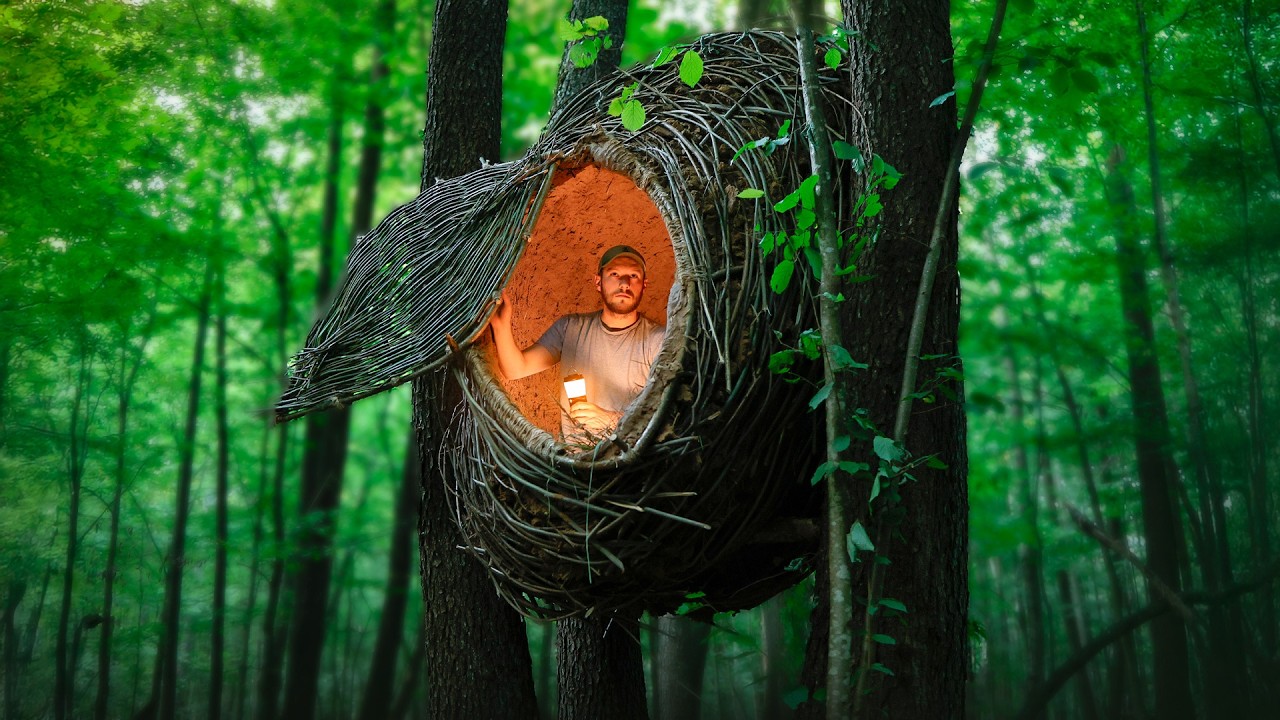
For outdoor enthusiasts, the call of the wild is a powerful one. Whether you’re hiking in the mountains, exploring dense forests, or camping in the desert, one thing remains crucial: having a reliable shelter. Survival shelters not only provide protection from the elements but also offer comfort and safety in unfamiliar territories. While traditional tents and tarps are reliable, innovative survival shelter ideas can enhance your outdoor experience by combining creativity with practicality. This article explores various innovative survival shelter ideas that can help outdoor enthusiasts make the most of their adventures.
Understanding the Basics of Survival Shelters
Before delving into innovative solutions, it is essential to understand the fundamental principles of a good survival shelter. The primary purpose of any shelter is to protect against the elements – primarily wind, rain, snow, and cold temperatures. A well-designed shelter should also offer insulation, camouflage, and ease of assembly. The location of your shelter is equally important; consider proximity to resources like water and firewood, while avoiding potential hazards like falling branches or flooding.
Innovative Survival Shelter Ideas
1. The Debris Hut
The debris hut is a time-tested survival shelter that can be constructed with readily available natural materials. To innovate upon this classic design, consider adding a reflective emergency blanket on the inside to enhance heat retention. The basic structure involves creating a sturdy ridgepole supported by two forked sticks, then covering it with layers of sticks and debris such as leaves and pine needles. The reflective blanket will help trap body heat, making the shelter warmer and more comfortable.
2. The A-Frame Tarp Shelter
An A-frame tarp shelter is a versatile and easy-to-build structure that can be adapted for different environments. To innovate, use adjustable trekking poles as the central support, allowing you to change the height and angle of the tarp based on weather conditions. You can also use bungee cords for quick setup and takedown. The A-frame design provides ample space for sleeping and gear storage, and with the added flexibility of adjustable poles, it becomes a customizable solution for varying terrains.
3. The Snow Cave
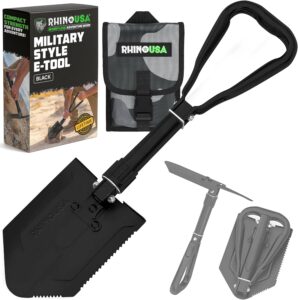
For those venturing into snowy terrains, a snow cave offers an effective shelter that utilizes the insulating properties of snow. Innovate by using a small shovel or collapsible snow saw to carve out your structure. Create a small entrance and a higher sleeping platform to trap warm air inside. Add a ventilation hole to prevent carbon dioxide buildup. You can also line the interior with an emergency bivvy sack to add warmth and moisture resistance.
4. The Hammock Shelter
A hammock shelter is an innovative approach for those who prefer sleeping off the ground. Enhance this setup by using a hammock with an integrated bug net and a weatherproof rainfly. Combine this with an underquilt or sleeping pad for insulation against cold air. The elevated position keeps you safe from ground moisture and crawling insects, while the rainfly provides protection from rain and wind. For added innovation, consider modular hammock systems that allow you to combine multiple hammocks for group camping.
5. The Reflective Lean-To
The lean-to is a straightforward survival shelter, but you can increase its efficiency by incorporating reflective materials. Construct the lean-to with a sturdy framework of branches, then cover one side with a mylar blanket or reflective tarp. Position the reflective side to face a campfire, allowing the heat to be reflected into the shelter. This setup maximizes warmth while minimizing smoke exposure. For extra comfort, add a layer of leaves or pine boughs on the ground for insulation.
6. The Geodesic Dome Shelter
For a more advanced and spacious shelter, the geodesic dome offers strength and stability. While traditionally requiring pre-made hubs and poles, you can innovate by using lightweight and collapsible materials that are easy to carry. Consider using inflatable beams or pre-assembled joint systems that snap together. The dome structure evenly distributes weight and resists strong winds, making it ideal for exposed areas. Additionally, the dome’s shape provides ample space for sleeping and storing gear.
7. The Bivouac Shelter
Bivouac shelters are compact and quick to assemble, perfect for minimalist campers. Innovate by using a bivvy bag with an integrated hooped pole system for added headspace. Pair this with a lightweight, breathable fabric to reduce condensation. The bivouac shelter is ideal for solo campers who prioritize mobility and stealth. You can also enhance it with a camouflage pattern to blend into the environment, providing added security and privacy.
8. The Tree Platform Shelter
For a truly unique shelter, consider building a tree platform. This innovative approach involves constructing a platform in the branches of a sturdy tree, providing elevation from ground-based threats. Use ratchet straps or climbing gear to secure the platform, and add a lightweight tent or tarp for weather protection. This setup offers a panoramic view of the surroundings and can be particularly useful in densely forested areas where ground options are limited.
9. The Underground Shelter
An underground shelter takes advantage of the earth’s natural insulating properties. To innovate, use collapsible shovels to dig a trench or pit, then cover it with a tarp or natural materials. For added protection, line the interior with a waterproof groundsheet. This type of shelter is especially useful in arid regions where temperature fluctuations are significant. An underground shelter provides excellent thermal regulation, keeping occupants warm during cold nights and cool during hot days.
Conclusion
Innovative survival shelter ideas not only enhance the outdoor experience but also ensure safety and comfort in challenging environments. By understanding the principles of effective shelter building and embracing creativity, outdoor enthusiasts can develop shelters that suit their specific needs and preferences. Whether you’re using natural materials, modern technology, or a combination of both, the key is to remain adaptable and resourceful. As you explore the great outdoors, these innovative shelter solutions will empower you to tackle any situation with confidence and ingenuity.
Final Thoughts
Survival in the wilderness requires a balance of preparation, skill, and innovation. By incorporating innovative shelter ideas into your outdoor toolkit, you can enhance your ability to adapt to various conditions and enjoy the beauty of nature with peace of mind. Remember, the best shelter is one that keeps you safe, comfortable, and ready to embrace the adventures that lie ahead.








Post Comment