Master Essential Outdoor Skills for Camping Beginners

Camping is a timeless activity that offers a unique opportunity to connect with nature, unwind from the hustle and bustle of daily life, and create lasting memories with family and friends. For beginners, however, the thought of spending a night in the wilderness can be daunting. This article aims to equip camping novices with essential outdoor skills that will ensure a safe, enjoyable, and memorable experience.
Choosing the Right Campsite
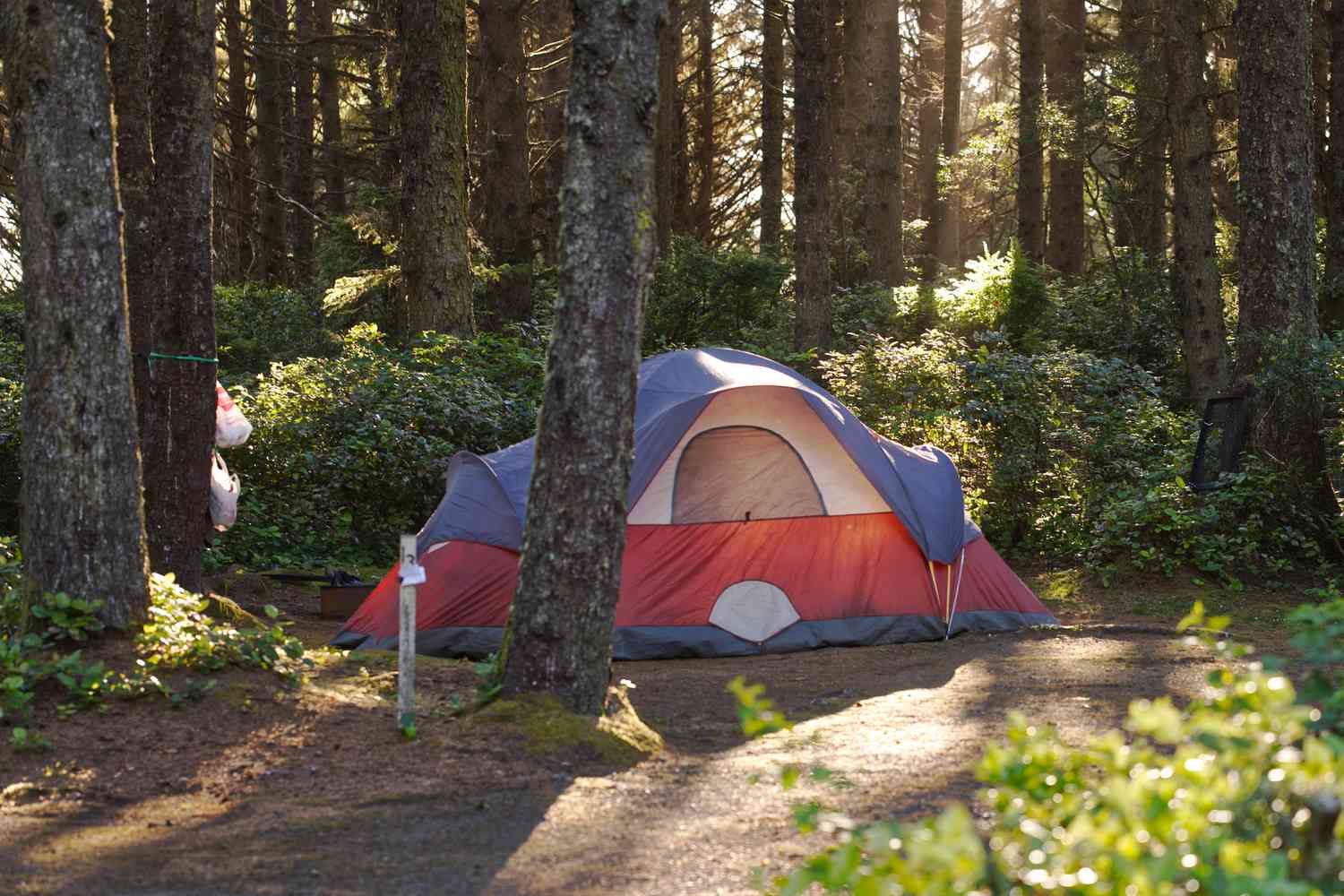
Selecting an appropriate campsite is crucial for a successful camping trip. Beginners should prioritize safety, accessibility, and convenience. Look for established campgrounds in national parks or state parks, as they often provide amenities like restrooms, picnic tables, and fire pits. Research the location beforehand to understand the terrain, weather conditions, and any potential wildlife hazards.
Understanding Terrain and Weather
It’s important to be familiar with the terrain of your chosen campsite. Ensure the site is flat and free of rocks or debris that could damage your tent or cause discomfort while sleeping. Weather conditions can greatly influence your camping experience, so check forecasts and prepare for sudden changes. Pack appropriate clothing and gear to handle rain, wind, or extreme temperatures.
Setting Up Camp
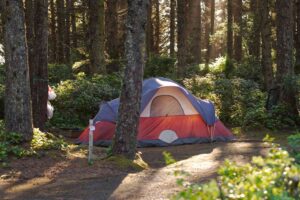
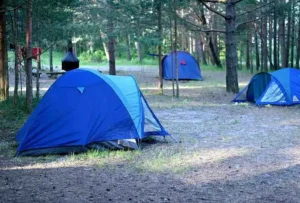
Efficiently setting up camp is an essential skill for beginners. Start by selecting a flat, dry area to pitch your tent. Clear away any debris and lay down a ground tarp to protect the tent’s floor. Practice setting up your tent at home so you’re familiar with the process and can quickly assemble it on-site.
Building a Shelter
In addition to your tent, knowing how to build a basic shelter using natural materials can be a valuable skill. This can provide extra protection in case of unexpected weather or emergencies. Use branches, leaves, and other available resources to construct a lean-to or debris hut, ensuring it’s sturdy and well-insulated.
Fire Building and Safety
Fire is an essential element of camping, providing warmth, light, and a means to cook food. Mastering fire-building techniques and understanding fire safety is crucial for any camping trip.
Gathering Materials
Start by collecting three types of materials: tinder, kindling, and fuelwood. Tinder consists of small, dry materials like leaves, grass, or bark that catch fire easily. Kindling includes slightly larger sticks and twigs, while fuelwood comprises larger logs that sustain the fire.
Building the Fire
Arrange your materials in a fire pit, starting with a small pile of tinder. Light the tinder using matches or a lighter, then gradually add kindling to build the flame. Once the fire is established, add fuelwood to keep it burning. Always keep a bucket of water or sand nearby to extinguish the fire in case of emergency.
Fire Safety
Follow campground rules regarding fire use and ensure fires are allowed at your campsite. Never leave a fire unattended, and make sure it’s fully extinguished before leaving or going to sleep. Pour water over the fire and stir the ashes until they’re cool to the touch.
Basic Outdoor Cooking
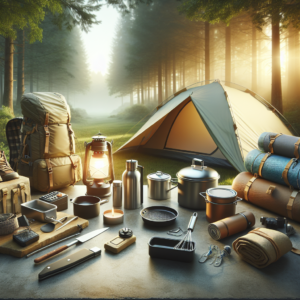
Cooking outdoors is a rewarding experience that allows you to enjoy delicious meals amidst nature. Beginners should start with simple recipes and use basic cooking equipment, such as a portable stove or a grill grate over the campfire.
Meal Planning
Plan your meals ahead of time, considering the number of people and the duration of your trip. Opt for non-perishable ingredients and easy-to-cook meals like pasta, rice, or canned soups. Prepare ingredients at home to minimize preparation time at the campsite.
Cooking Techniques
Familiarize yourself with different outdoor cooking techniques, such as boiling, grilling, and foil-packet cooking. Practice these methods at home to build confidence and ensure successful meals on your camping trip.
Navigation Skills
Navigating in the wilderness is a critical skill for any camper. While GPS devices are helpful, it’s important to know traditional navigation methods in case your devices fail.
Map and Compass
Learn how to read a topographic map and use a compass to orient yourself. Practice identifying landmarks and estimating distances to improve your navigation skills.
Understanding Trail Markers
Familiarize yourself with common trail markers and signs. These indicators can help you stay on the correct path and reach your destination safely.
Wildlife Awareness and Safety
Encountering wildlife can be an exciting part of camping, but it’s essential to prioritize safety for both you and the animals.
Proper Food Storage
Store food in airtight containers or bear-proof canisters to prevent attracting wildlife. Hang food from a tree branch or use designated food storage lockers if available.
Respecting Wildlife
Observe animals from a distance and never attempt to feed or approach them. Maintain a clean campsite to minimize your impact on the environment and reduce the risk of unwanted encounters.
Leave No Trace Principles
Practicing Leave No Trace principles ensures the preservation of natural environments for future generations. These guidelines promote responsible outdoor behavior and minimize human impact.
Dispose of Waste Properly
Pack out all trash and dispose of it in designated areas. Use biodegradable soap and dispose of wastewater at least 200 feet from water sources.
Leave What You Find
Preserve the beauty of the wilderness by leaving rocks, plants, and artifacts untouched. Take only photographs and memories from your camping experience.
Be Considerate of Others
Respect other campers by keeping noise levels low and sharing common spaces. Follow campground rules and treat the environment with care.
Conclusion
Mastering essential outdoor skills is key to a successful and enjoyable camping experience. By choosing the right campsite, setting up camp efficiently, building and maintaining a fire safely, cooking simple meals, honing navigation skills, understanding wildlife safety, and adhering to Leave No Trace principles, beginners can confidently embark on their camping adventures. Embrace the challenges and joys of the great outdoors, and you’ll soon discover the countless rewards that camping has to offer.



Post Comment