Ultimate Guide to Camping Near Stunning Lakes

There’s something undeniably magical about camping near a lake. The tranquil sound of water lapping against the shore, the breathtaking views at sunrise and sunset, and the myriad of activities available make it an irresistible choice for nature lovers. Whether you’re an experienced camper or a novice, this ultimate guide to camping near stunning lakes will provide you with all the information you need to plan a perfect getaway.
Choosing the Right Lake
The first step in planning your camping trip is selecting the right lake. Consider the following factors to ensure you make the best choice for your needs:
Location and Accessibility
Decide how far you’re willing to travel. Lakes closer to urban areas might be more crowded but offer easier access. If you prefer solitude, consider more remote lakes, but be prepared for longer travel times and potentially rough roads.
Activities Available
Different lakes offer different activities. Are you interested in fishing, kayaking, swimming, or hiking? Research what each lake has to offer and choose one that aligns with your interests.
Season and Weather
The time of year will impact your experience significantly. Summer is generally the most popular time for lake camping, but fall offers stunning foliage, and spring can be beautiful as well. Check the weather forecast to ensure conditions are suitable for camping.
Essential Gear for Lake Camping
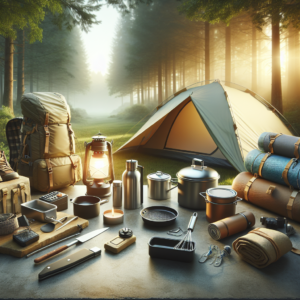
Packing the right gear is crucial for a successful lake camping trip. Here’s a list of essentials you’ll need to bring:
Shelter and Sleeping Gear
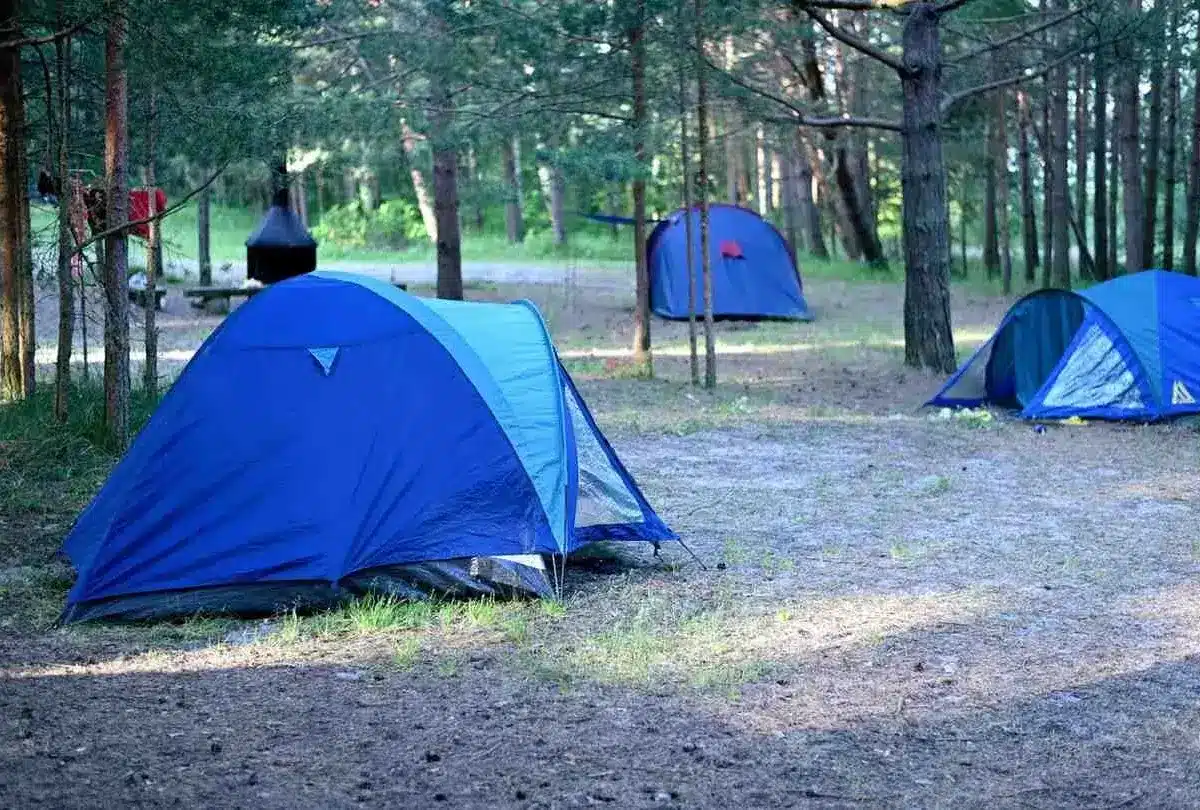
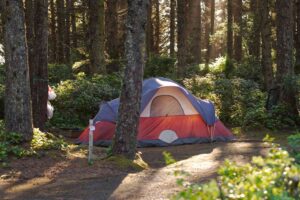
A reliable tent, sleeping bag suited for the season, and a sleeping pad for comfort. Consider a tent with a vestibule for storing wet gear and a rainfly in case of unexpected showers.
Clothing and Footwear
Layered clothing is key. Pack moisture-wicking base layers, insulating mid-layers, and a waterproof outer shell. Don’t forget a hat, sunglasses, and sturdy footwear suitable for hiking around the lake.
Cooking and Food Supplies
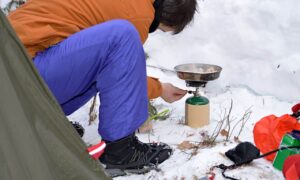
A portable stove or campfire grill, lightweight cookware, and enough food and snacks. Remember to bring a cooler or bear-proof container if necessary. Don’t forget utensils, biodegradable soap, and a sponge for cleaning.
Safety and Navigation
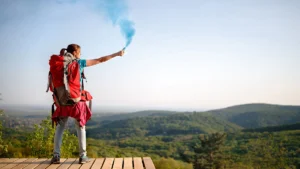
A first aid kit, map, compass, or GPS device. A whistle and multi-tool are also handy. Always let someone know your plans before heading out.
Setting Up Camp
Once you’ve arrived at your chosen destination, setting up camp correctly will ensure a comfortable and enjoyable stay.
Choosing a Campsite
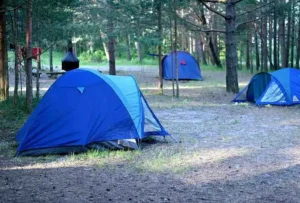
Look for a flat, shaded spot at least 200 feet away from the shoreline to protect the lake’s ecosystem. Ensure your site is not in a potential flood zone and is protected from the wind.
Setting Up Your Tent
Clear the area of debris before pitching your tent. Position the entrance away from the wind and secure it with stakes. Use a ground tarp to protect your tent floor.
Campfire Safety
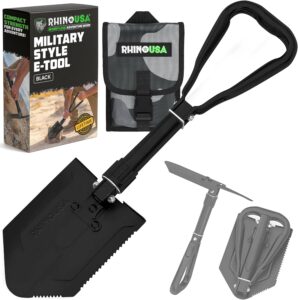
Use established fire rings if available. Keep your fire small and always have water or a shovel nearby to extinguish it. Never leave a fire unattended, and make sure it’s completely out before leaving.
Enjoying Lake Activities
Lakes offer a wide range of activities to enjoy during your camping trip. Here are some popular options:
Fishing
Lakes often provide excellent fishing opportunities. Check local regulations for licensing and any restrictions on types of fish or bait. Early morning or late afternoon is usually the best time to fish.
Water Sports
Kayaking, canoeing, and paddleboarding are fantastic ways to explore the lake. Always wear a life jacket and be mindful of weather conditions and water currents.
Swimming
Many lakes are perfect for swimming. Ensure you swim in designated areas, be cautious of underwater hazards, and avoid swimming alone.
Hiking and Exploring
Most lakes are surrounded by beautiful trails. Bring a map, wear appropriate footwear, and carry plenty of water. Look out for local wildlife and take only pictures, leaving no trace behind.
Leave No Trace Principles
Protecting the natural beauty of lakes is crucial for future generations to enjoy. Follow these Leave No Trace principles:
Plan Ahead and Prepare
Research your destination, understand the regulations, and prepare for extreme weather, hazards, and emergencies.
Travel and Camp on Durable Surfaces
Stick to established trails and campsites, avoiding areas where your activities might cause damage.
Dispose of Waste Properly
Pack out what you pack in. Use existing toilet facilities or dig a cat hole for human waste, at least 200 feet from water sources.
Leave What You Find
Preserve the past by leaving rocks, plants, and other natural objects as you found them.
Minimize Campfire Impact
Use a lightweight stove for cooking and enjoy a campfire only when it’s safe and permissible.
Respect Wildlife
Observe wildlife from a distance, never feed animals, and store food securely to avoid attracting them to your campsite.
Be Considerate of Other Visitors
Respect other campers and visitors. Keep noise levels down, yield to others on trails, and let nature’s sounds prevail.
Conclusion
Camping near a stunning lake offers an unparalleled opportunity to connect with nature, unwind, and enjoy a variety of outdoor activities. By choosing the right lake, packing essential gear, and respecting the environment, you can create unforgettable memories. Whether you’re casting a line into the water, paddling across a glassy surface, or simply soaking in the views, lake camping is an experience that rejuvenates the soul. So pack your bags, head to the lake, and enjoy the ultimate camping adventure.





Post Comment