Ultimate Guide: Sleep Comfortably While Camping

Camping is a fantastic way to disconnect from the hustle and bustle of everyday life and reconnect with nature. However, one of the most challenging aspects for beginners is ensuring a good night’s sleep. Without the comforts of home, it’s easy to find yourself tossing and turning in a tent. This guide will help you master the art of sleeping comfortably while camping, offering tips and insights to make your outdoor sleeping experience as restful as possible.
Choosing the Right Sleeping Gear
Sleeping Bag
Your sleeping bag is your primary source of warmth and comfort during a camping trip. Choose a sleeping bag suitable for the season and temperature you’ll be camping in. Bags are generally classified by temperature rating, so check the expected temperatures of your destination and select accordingly. Remember, a snug fit is best for warmth, but ensure you have enough room to move comfortably.
Sleeping Pad or Air Mattress
A sleeping pad or air mattress adds an essential layer of insulation between you and the ground, making a significant difference in comfort. Foam pads are lightweight and durable, while inflatable options provide superior cushioning. Choose one based on your preference for comfort versus portability.
Pillows
Don’t underestimate the power of a good pillow. While camping pillows are available, you can also opt for inflatable options or simply bring a pillow from home if space allows. Some campers prefer to use a stuff sack filled with clothes for a makeshift pillow.
Picking the Right Campsite
Location Matters
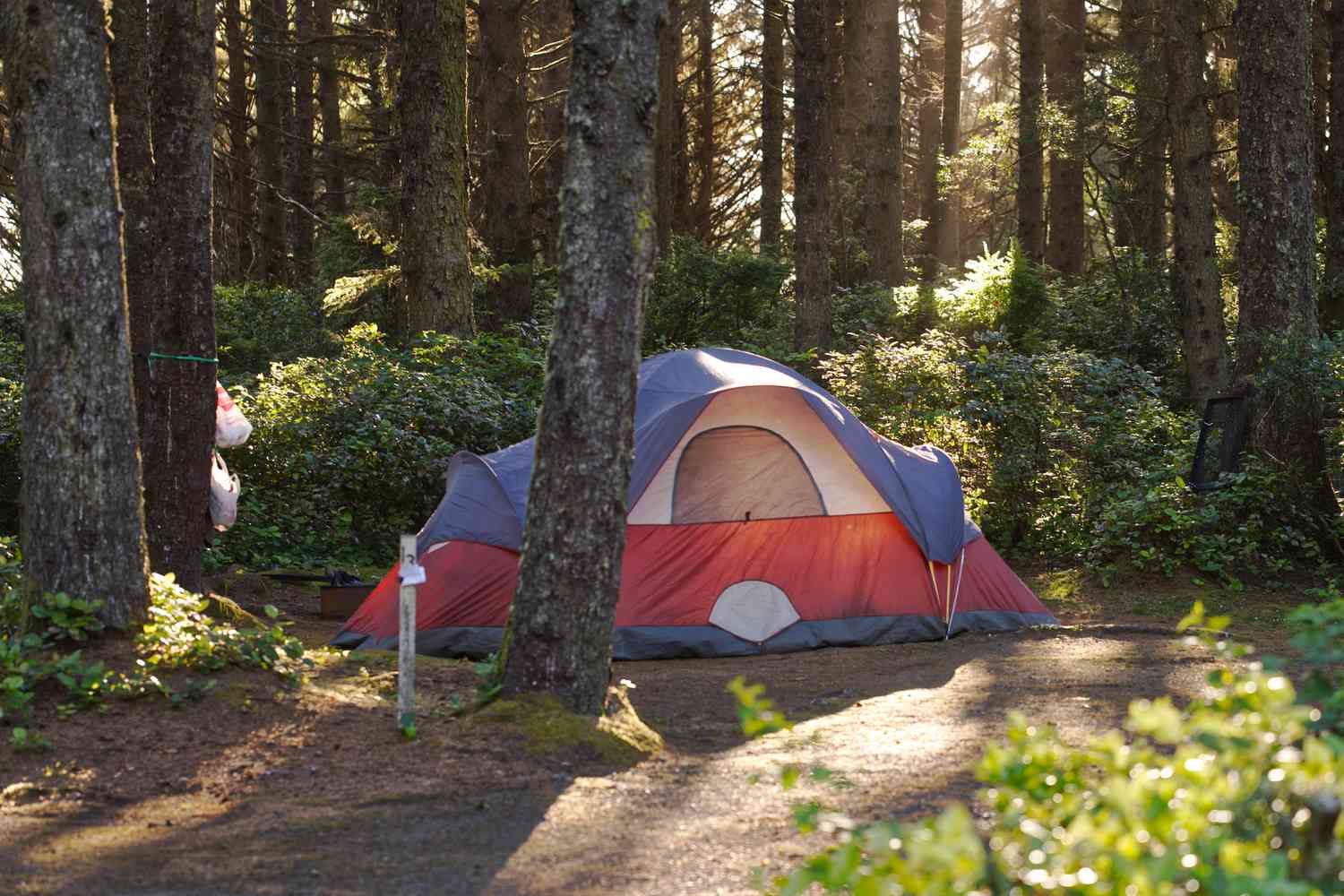
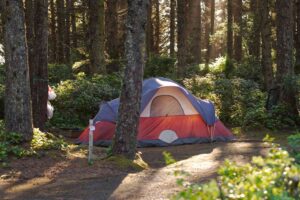
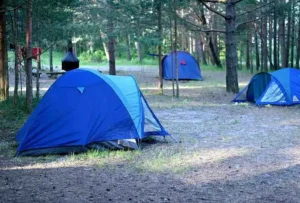
Where you set up camp can significantly affect sleep quality. Look for a flat, dry area free of rocks and roots. Avoid low spots where water might pool if it rains. If possible, set up camp away from noisy areas such as the main trail or water sources where animals might gather.
Orientation and Setup
Set up your tent with the foot end facing into the wind to minimize wind noise and maximize stability. Consider the sunrise direction if you want to wake up with the sun or prefer to sleep in. Properly staking and securing your tent will also help reduce noise and movement, enhancing your sleeping experience.
Dressing for a Good Night’s Sleep
Layering
Dressing in layers is crucial for regulating body temperature. Start with a moisture-wicking base layer to keep sweat away from your skin. Add an insulating layer for warmth and a shell layer if you need protection from wind or rain. Avoid overdressing, as this can lead to overheating and discomfort.
Dedicated Sleepwear
If possible, keep a set of clothes specifically for sleeping. Changing into fresh clothes before bed can help you feel more comfortable and prevent dirt and sweat from compromising your sleep environment.
Managing the Environment
Temperature Control
A comfortable sleeping temperature is key. In colder conditions, utilize a sleeping bag liner for additional warmth and consider a hot water bottle at the foot of your sleeping bag. In warmer weather, ventilation is crucial; open tent flaps or windows to promote airflow.
Sound and Light
Earplugs or a white noise app can drown out disruptive sounds like wind or wildlife. An eye mask or buff can block out early morning light, helping you sleep longer. Consider a small, battery-operated fan in warm climates to create white noise and improve air circulation.
Pre-Sleep Routine
Relaxation Techniques
Establishing a pre-sleep routine can signal to your body that it’s time to wind down. Consider activities like reading, meditation, or gentle stretching. Avoid strenuous activities and heavy meals right before bed to help your body relax.
Hydration and Nutrition
Staying hydrated is important, but try to limit fluid intake close to bedtime to reduce nighttime bathroom trips. A light snack with protein and complex carbohydrates can stabilize blood sugar levels and promote sleep.
Troubleshooting Common Sleep Issues
Dealing with Cold
If you find yourself cold during the night, add layers or use extra clothing as a supplement to your sleeping bag. Ensure your head is covered, as much heat is lost through the head. Consider investing in a sleeping bag liner for additional warmth.
Handling Heat
In hot conditions, remove excess clothing and open your sleeping bag to allow more air circulation. Use a damp cloth to cool down your skin, and ensure your tent is well-ventilated to allow heat to escape.
Conclusion
Achieving a good night’s sleep while camping is entirely possible with the right preparation and mindset. By selecting appropriate gear, choosing a suitable campsite, dressing appropriately, and managing your sleep environment, you can enjoy the restorative effects of a night under the stars. Embrace the adventure, and sleep soundly knowing you’re well-equipped to handle the challenges of outdoor sleeping. With these tips, your camping experience will be both memorable and restful, setting the foundation for many more enjoyable trips in the future.


Post Comment