Essential Camping First Aid Kit for Outdoor Safety
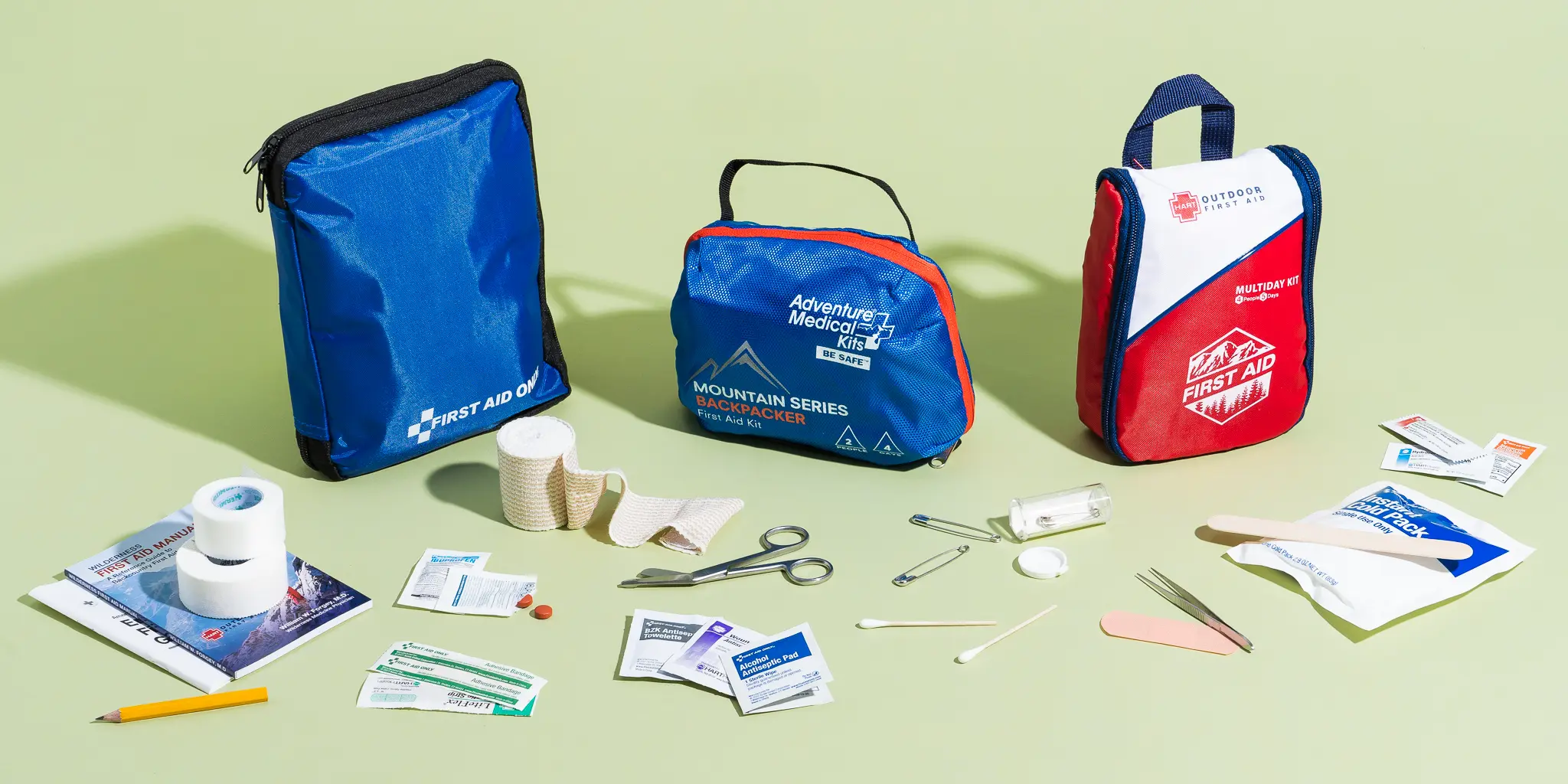
Camping First Aid Kits
Camping trips are a wonderful way to connect with nature, enjoy time with friends and family, and take a break from the hustle and bustle of everyday life. However, being out in the great outdoors also means being away from immediate medical assistance. This makes having a well-stocked first aid kit an essential part of any camping trip. A comprehensive first aid kit not only helps manage minor injuries and illnesses but can also be a life-saving resource in emergencies. This article will guide you through the essential components of a camping first aid kit and offer tips for maintaining outdoor safety.
Key Components of a Camping First Aid Kit
A camping first aid kit should be tailored to the specific needs of your trip, taking into account factors such as the number of campers, the duration of the trip, and the remoteness of the location. Here are some of the essential items that every camping first aid kit should contain:
Basic First Aid Supplies
- Adhesive Bandages: Various sizes to cover minor cuts and scrapes.
- Sterile Gauze Pads: For larger wounds, to control bleeding and protect against infection.
- Medical Tape: To secure gauze and bandages in place.
- Antiseptic Wipes: To clean wounds and prevent infections.
- Antibiotic Ointment: Promotes healing and further protects against infection.
Tools and Equipment
- Scissors: For cutting tape, gauze, or clothing if needed.
- Tweezers: Essential for removing splinters or ticks.
- Thermometer: To monitor body temperature in case of fever.
- Safety Pins: Useful for securing bandages or splints.
- Disposable Gloves: To prevent contamination while treating injuries.
Medications
- Pain Relievers: Such as ibuprofen or acetaminophen for relieving pain and reducing fever.
- Antihistamines: For allergic reactions and to manage symptoms of insect bites or stings.
- Anti-diarrheal Medication: To treat diarrhea and help prevent dehydration.
- Antacid: For relief from heartburn or indigestion.
- Prescription Medications: Ensure you carry enough of any personal prescription medications for the duration of the trip.
Emergency Items
- CPR Face Shield: For safe administration of CPR.
- Emergency Blanket: To prevent hypothermia in case of exposure to cold temperatures.
- Instant Cold Packs: To reduce swelling and provide relief from pain.
- First Aid Manual: A handy reference for administering first aid in various situations.
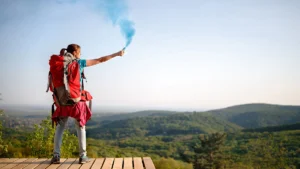
- Whistle: For signaling in case of an emergency.
Customizing Your First Aid Kit
While the above list covers the basics, your first aid kit should be customized based on the specific needs of your group and the nature of your camping trip. Here are some additional considerations:
Consider the Environment
The environment you will be camping in can dictate the additional items you may need. For instance, if you’re camping in an area known for its dense mosquito population, consider adding insect repellent and additional antihistamines to your kit. If your trip involves hiking at high altitudes, include medication for altitude sickness.
Consider the Duration
For longer trips, ensure you have enough supplies to last the entire duration, including extra medications and additional quantities of consumable items like bandages and antiseptic wipes.
Group-Specific Needs
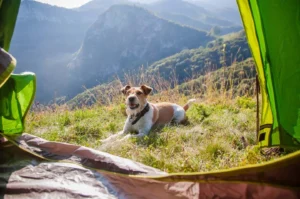
If your group includes children, consider adding child-specific medications and supplies. For groups with pets, include pet-specific first aid items such as paw balm or pet-safe antiseptic wipes.
Maintaining Your First Aid Kit
Regular maintenance of your first aid kit is crucial to ensure its effectiveness when needed. Here are some tips for keeping your kit in top condition:
Check Expiry Dates
Regularly check the expiry dates of medications and replace them as needed. Expired medications may lose potency or become unsafe to use.
Restock Supplies
After each trip, replenish any used items to ensure your kit is always ready for the next adventure.
Storage
Store your first aid kit in a cool, dry place to prevent damage from moisture or heat. Use a waterproof container or bag to protect the contents from the elements.
Training and Preparedness
Having a well-stocked first aid kit is only part of the equation. Equally important is knowing how to use it. Consider taking a basic first aid and CPR course to equip yourself with the knowledge and skills needed to handle emergencies effectively. Familiarize yourself with the contents of your kit and practice using them so you can act quickly and confidently in a crisis.
Conclusion
A well-prepared camping first aid kit is an essential component of outdoor safety. By including the right supplies, customizing your kit to suit your specific needs, and maintaining it regularly, you can ensure that you are ready to handle minor ailments and injuries, and provide first-line response in emergencies. While no one hopes to encounter an emergency while enjoying the great outdoors, being prepared can make all the difference, providing peace of mind and potentially saving lives.
As you pack for your next camping adventure, make sure your first aid kit is as ready as you are to embrace the beauty and challenges of the wilderness.



Post Comment