Essential Hot Weather Camping Tips for Ultimate Comfort
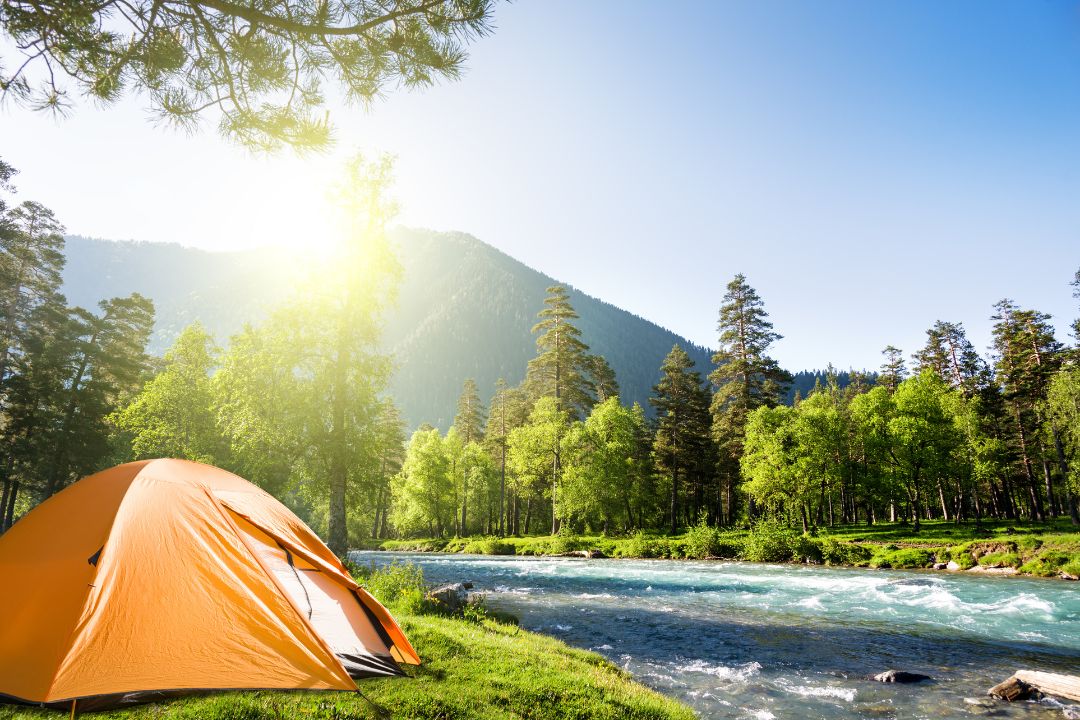
Camping in hot weather poses unique challenges, but with the right preparation and strategies, it can be an incredibly rewarding experience. Whether you’re exploring arid deserts, sun-drenched beaches, or dense forests, understanding how to stay cool and comfortable is key. This article will provide essential tips to ensure that your hot weather camping trip is enjoyable and safe.
Choose the Right Location
The first step in planning a comfortable hot weather camping trip is selecting the right location. Consider the following factors:
Shade and Elevation
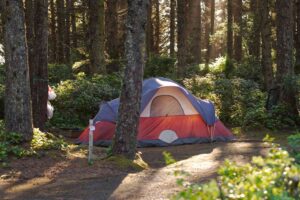
When scouting for campsites, prioritize areas with ample shade. Trees, rock formations, or any natural barriers can provide much-needed relief from the sun. Additionally, campsites at higher elevations tend to be cooler due to reduced temperatures as altitude increases.
Water Sources
Proximity to water sources such as rivers, lakes, or streams can provide both a way to cool off and opportunities for water-based activities. Ensure the water source is safe for swimming and always have a plan for water purification.
Timing is Everything
Plan Activities for Cooler Times
Schedule strenuous activities like hiking or biking for early morning or late afternoon when temperatures are lower. This strategy not only helps you avoid the peak heat of the day but also makes these activities more enjoyable.
Midday Rest
Use the hottest part of the day to rest, hydrate, and relax in the shade. Consider bringing a lightweight hammock or a portable chair for comfort during these breaks.
Stay Hydrated
Water Intake
In hot conditions, your body loses water quickly through sweat. It is crucial to drink water regularly, even if you don’t feel thirsty. A good rule of thumb is to drink at least one liter of water per hour during strenuous activities.
Electrolyte Replacement
In addition to water, consider consuming electrolyte-rich drinks or snacks to replace the salts lost through sweating. Options include sports drinks, electrolyte tablets, or natural sources like coconut water.
Dress Appropriately
Breathable Fabrics
Choose clothing made from lightweight, breathable fabrics like cotton or moisture-wicking materials. These fabrics allow sweat to evaporate more easily, helping to cool your body.
Light Colors
Opt for light-colored clothing as it reflects sunlight rather than absorbing it, keeping you cooler.
Sun Protection
Wear a wide-brimmed hat, sunglasses, and apply a broad-spectrum sunscreen with a high SPF rating. Reapply sunscreen every two hours, or more frequently if swimming or sweating.
Create a Cool Camp Setup
Ventilated Tent
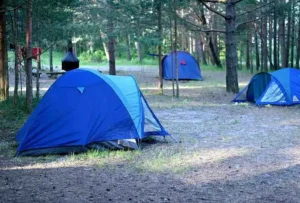
Use a well-ventilated tent to promote airflow and reduce heat buildup. Consider a tent with mesh windows and a rainfly that can be removed to allow for better circulation.
Reflective Tarps
Set up reflective tarps over your tent or camping area to deflect sunlight and create shaded areas. Secure the tarps with ropes and stakes to ensure stability.
Sleeping Gear
Opt for lightweight sleeping bags or liners suited for warm weather. An inflatable sleeping pad can provide comfort while minimizing heat retention.
Food and Cooking Tips
Plan No-Cook Meals
To avoid generating extra heat, plan meals that require minimal or no cooking. Cold sandwiches, salads, and pre-cooked meals can be convenient and satisfying options.
Safe Food Storage
Use a cooler with plenty of ice or ice packs to keep perishable items fresh. Store the cooler in a shaded area and limit the number of times it is opened to maintain its temperature.
Safety Considerations
Recognize Heat-Related Illnesses
Be aware of the signs of heat exhaustion and heat stroke, which include dizziness, nausea, confusion, and excessive sweating. If any symptoms occur, move to a cooler place, hydrate, and seek medical attention if necessary.
Wildlife Awareness
Hot weather can also affect wildlife behavior. Be cautious of animals seeking water or shade near your campsite. Store food securely and follow local guidelines to minimize wildlife encounters.
Conclusion
With thoughtful preparation and strategic planning, hot weather camping can be a comfortable and enjoyable experience. By selecting the right location, staying hydrated, dressing appropriately, and creating a cool camp setup, you can beat the heat and focus on the joys of outdoor adventure. Always prioritize safety and be prepared to adapt your plans based on weather conditions and personal comfort levels.

Post Comment