Master Cold Weather Camping: Essential Survival Techniques
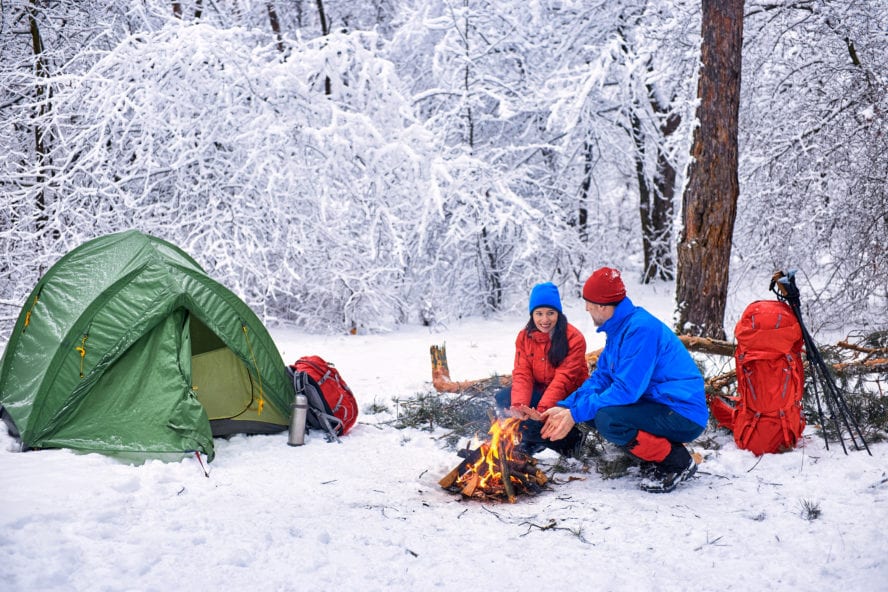
Camping in cold weather can be a thrilling, serene experience, offering a unique way to connect with nature. However, it also presents a distinct set of challenges that require careful preparation and knowledge. Mastering cold weather camping is essential for ensuring safety and maximizing enjoyment during your winter adventures. This article will guide you through the essential survival techniques needed to thrive in cold weather conditions.
Choosing the Right Gear
The first step to mastering cold weather camping is selecting the appropriate gear. The right equipment can mean the difference between an unforgettable adventure and a miserable ordeal.
Clothing
Dressing in layers is crucial for regulating body temperature. Start with a moisture-wicking base layer to keep sweat away from your skin. Add an insulating layer, such as a fleece or down jacket, to trap body heat. Finally, use a waterproof and windproof outer shell to protect against the elements. Don’t forget a warm hat, gloves, and thermal socks to keep extremities warm.
Sleeping System
A high-quality sleeping bag rated for the coldest temperatures you expect to encounter is essential. Consider a sleeping bag with a hood and draft collar for added warmth. Pair it with an insulated sleeping pad to prevent heat loss to the ground. A bivy sack or tent can provide additional protection from wind and moisture.
Cooking and Hydration
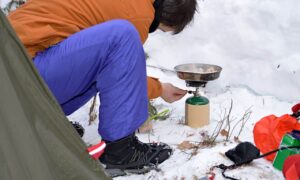
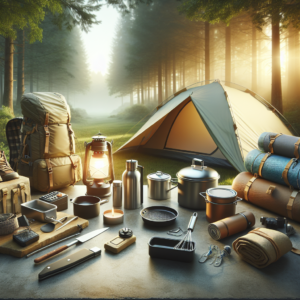
A reliable stove is necessary for melting snow and preparing hot meals. Opt for a stove that operates efficiently in cold temperatures. Bring a sturdy pot, insulated mug, and utensils. For hydration, carry water bottles with insulated sleeves to prevent freezing. Consider bringing a thermos to keep liquids warm throughout the day.
Site Selection and Shelter
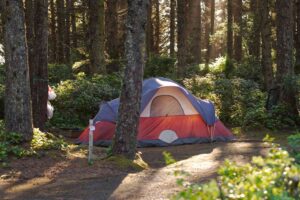
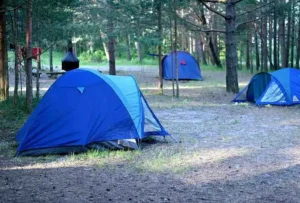
Choosing the right campsite can significantly impact your comfort and safety in cold weather. Avoid low-lying areas where cold air settles and moisture accumulates. Look for a spot with natural windbreaks, such as trees or boulders, to reduce wind chill. Ensure your site is free from avalanche danger and falling branches.
Building a Shelter
If you need to create an emergency shelter, a snow cave or quinzhee can provide excellent insulation from the cold. Dig into a snowbank or pile snow to form a dome-shaped shelter. Ensure proper ventilation to prevent carbon monoxide buildup if using a stove inside. Always have an exit strategy in case of collapse.
Fire Building
A fire can provide warmth, cook food, and boost morale. However, building a fire in snowy conditions requires skill and patience. Start by clearing snow to expose dry ground or build a platform of logs. Gather dry tinder, kindling, and fuel wood. Use a fire starter or waterproof matches to ignite the tinder. Once lit, gradually add kindling and larger logs to sustain the fire.
Food and Nutrition
In cold weather, your body requires more calories to maintain warmth. Pack nutrient-dense, high-energy foods that are easy to prepare and consume. Consider options like nuts, dried fruits, energy bars, and instant meals. Include a mix of carbohydrates, proteins, and fats to fuel your body effectively. Plan for regular meals and snacks to keep energy levels stable.
Managing Cold Stress
Understanding and managing cold stress is vital for preventing hypothermia and frostbite. Recognize early signs of cold stress, such as shivering, numbness, and fatigue. Respond promptly by adding layers, consuming warm fluids, and seeking shelter. Maintain a steady pace during activities to avoid excessive sweating, which can lead to chilling.
Navigating in Snowy Terrain
Snow-covered landscapes present unique navigation challenges. Familiarize yourself with map and compass skills, as electronic devices may fail in extreme cold. Look for natural landmarks and use GPS as a backup. In deep snow, use snowshoes or skis to move efficiently and minimize fatigue. Always inform someone of your itinerary and expected return time.
Emergency Preparedness
Cold weather camping requires a heightened level of emergency preparedness. Carry a well-stocked first-aid kit, including supplies for treating frostbite and hypothermia. Have a reliable communication device, such as a satellite phone or emergency beacon, in case of an emergency. Know the symptoms of cold-related injuries and practice first-aid techniques regularly.
Leave No Trace
Practicing Leave No Trace principles is crucial for preserving the natural beauty of cold weather environments. Pack out all trash, including food scraps and biodegradable waste. Avoid damaging vegetation and minimize your impact on the landscape. Respect wildlife and maintain a safe distance from animals. By leaving no trace, you ensure that future generations can enjoy these pristine winter landscapes.
Conclusion
Mastering cold weather camping requires a combination of knowledge, preparation, and respect for the environment. By choosing the right gear, selecting safe campsites, and understanding how to manage cold stress, you can enjoy the beauty and solitude of winter camping safely. Always prioritize safety and be prepared for changing conditions. With these essential survival techniques, you can confidently embark on your next cold weather camping adventure and create lasting memories in the great outdoors.




Post Comment