Ultimate Guide to Choosing the Best Camping Tarps
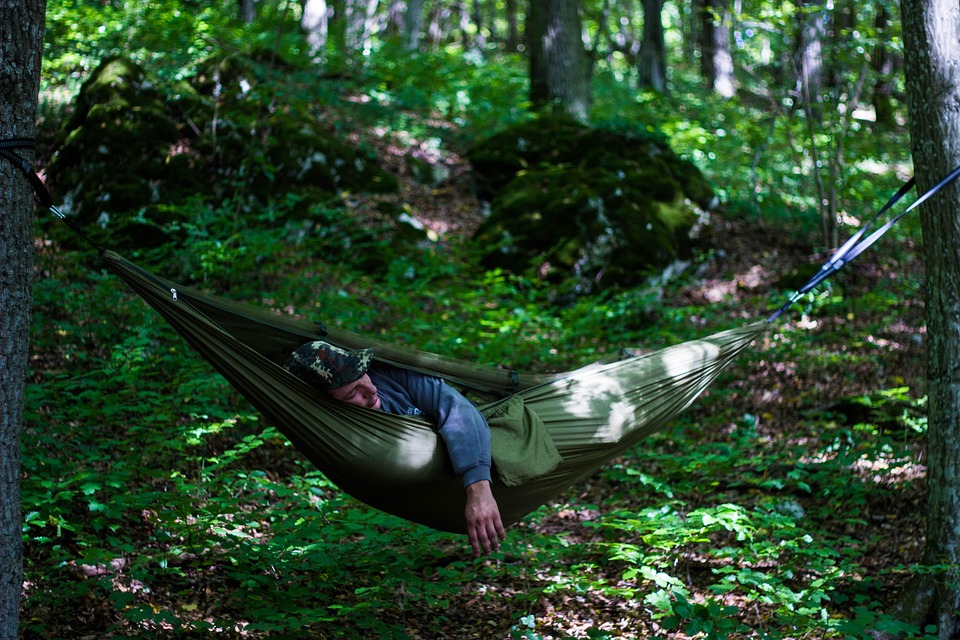
Camping is an exhilarating way to reconnect with nature, and having the right gear can significantly enhance your experience. One of the most versatile and essential pieces of camping equipment is the tarp. Whether you need shelter from rain, shade from the sun, or a ground cover to keep your gear dry, a camping tarp is invaluable. This guide will help you understand the different types of tarps available and how to choose the best one for your needs.
Understanding Camping Tarps
A camping tarp is a multipurpose item used in various outdoor situations. Its primary function is to provide protection against the elements, be it rain, wind, or sun. Tarps are often used as a makeshift shelter, a groundsheet under tents, or even as a cover for equipment.
Types of Camping Tarps
Polyethylene Tarps
Polyethylene (PE) tarps are probably the most common type. They are usually water-resistant, UV-resistant, and affordable. PE tarps are great for those who need a budget-friendly option that offers basic protection against the elements.
Canvas Tarps
Canvas tarps are made from tightly woven cotton fabric. They are breathable, making them ideal for situations where condensation might be an issue. They are also more durable compared to PE tarps but tend to be heavier and more expensive.
Silnylon Tarps
Silnylon tarps are made from a blend of silicone and nylon. These tarps are lightweight and packable, making them ideal for backpackers and those who prioritize portability. They are also waterproof and strong, though they can be more expensive than other types.
Polyester Tarps
Polyester tarps offer a good balance between weight and durability. They resist stretching and sagging, even when wet, and provide excellent UV resistance. This makes them a popular choice for longer camping trips.
Factors to Consider When Choosing a Camping Tarp
Size
The size of the tarp is one of the most crucial factors to consider. It should be large enough to cover the area you need, whether it’s a tent, a dining area, or a hammock. Consider both the length and width, and ensure it provides adequate coverage.
Weight
If you’re backpacking, the weight of your gear is critical. Lightweight tarps like those made from silnylon might be the best choice. However, if you’re car camping, a heavier tarp that offers more durability could be preferable.
Durability
The durability of a tarp is determined by the material and the quality of construction. Look for features such as reinforced corners and edges, which can enhance the tarp’s longevity.
Waterproofing
Ensure the tarp is waterproof, especially if you plan to use it as a shelter. Look for water-resistant coatings or materials, and check customer reviews to verify effectiveness.
UV Resistance
If you plan to use the tarp in sunny conditions, UV resistance is an important factor to consider. This will prevent the tarp from degrading due to sun exposure.
Setting Up a Camping Tarp
Setting up a tarp properly is key to maximizing its usefulness. Here are a few methods to consider:
Ridgeline Setup
This is the most common method of setting up a tarp. It involves running a line between two trees and draping the tarp over it. This setup provides a tent-like shelter and can be adjusted to suit different weather conditions.
A-Frame Setup
The A-frame setup is similar to the ridgeline but with the tarp staked down on both sides. This creates a tent-like structure that offers good wind and rain protection.
Lean-to Setup
The lean-to setup involves securing one side of the tarp to a tree or another structure, while the other side is staked to the ground. This setup is excellent for providing wind and rain protection from one direction.
Maintenance and Care
Proper maintenance will extend the life of your tarp. After each use, clean the tarp with mild soap and water, and make sure it is completely dry before storing it to prevent mold and mildew. Store it in a cool, dry place away from direct sunlight.
Conclusion
Choosing the right camping tarp depends on various factors, including your specific needs, the type of camping you intend to do, and the weather conditions you might encounter. By considering the material, size, weight, and other features, you can select a tarp that will serve you well on your outdoor adventures. A well-chosen tarp can make all the difference in ensuring a comfortable and enjoyable camping experience.







Post Comment