Essential Survival Gear for Outdoor Adventures
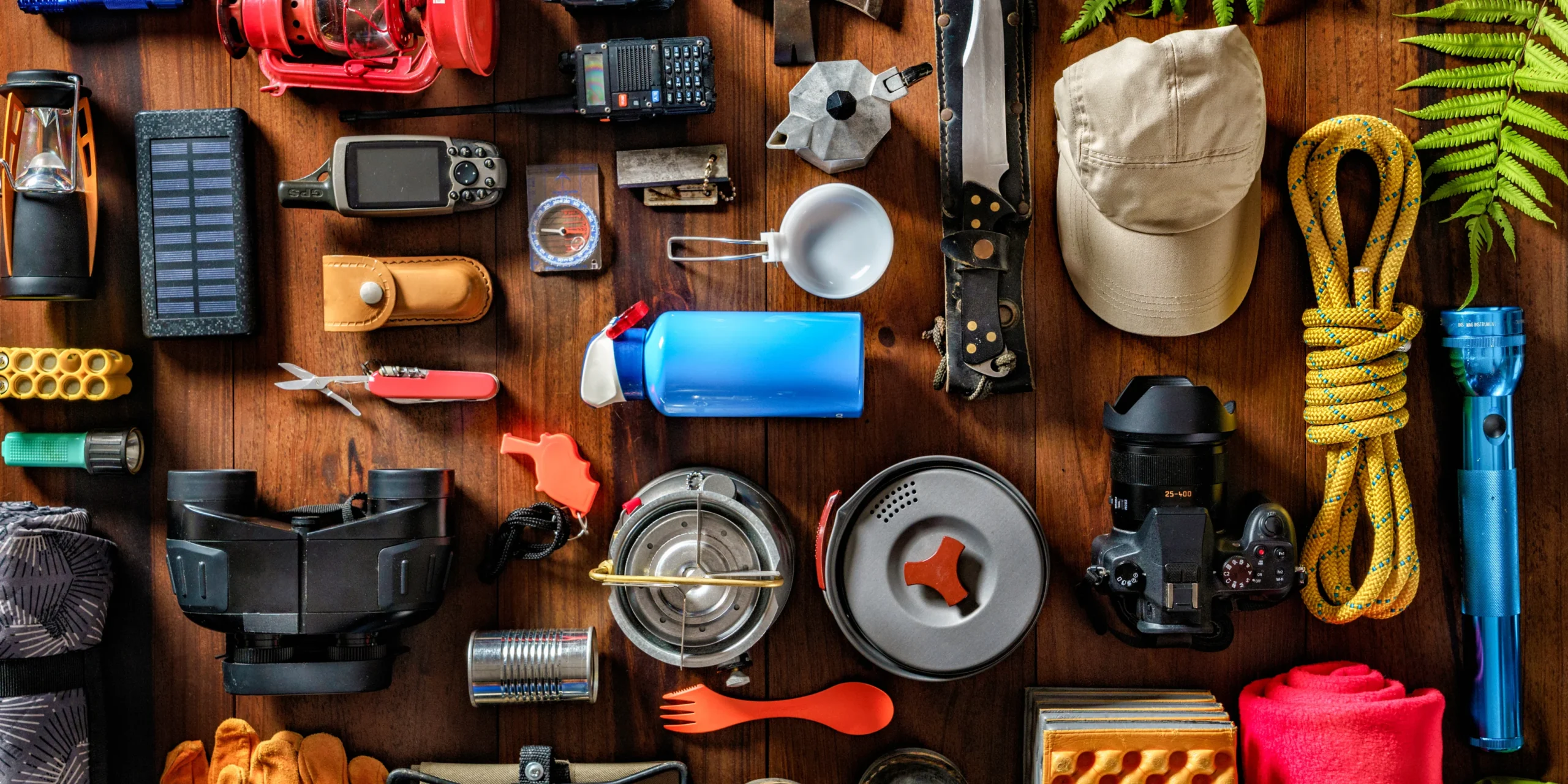
Embarking on an outdoor adventure can be an exhilarating experience that brings you closer to nature, tests your limits, and provides a refreshing break from the hustle and bustle of everyday life. However, venturing into the wilderness also comes with its own set of challenges and risks. To ensure your safety and enhance your enjoyment, it’s crucial to be well-prepared with essential survival gear. This article will guide you through the must-have items that every outdoor enthusiast should carry to navigate and thrive in the wild.
The Importance of Survival Gear
Survival gear is not just for extreme adventurers or doomsday preppers; it is essential for anyone spending time in the great outdoors. Whether you’re hiking, camping, or exploring remote areas, having the right equipment can make the difference between life and death in emergency situations. Good survival gear is designed to help you find food and water, navigate unfamiliar terrain, create shelter, signal for help, and treat injuries.
Navigation Tools
Compass and Map
A reliable compass and a detailed topographic map are fundamental tools for navigation. While GPS devices and smartphones are useful, they rely on batteries and signals that may not be available in remote areas. Learning how to use a compass and map will give you the confidence to navigate effectively and avoid getting lost.
GPS Device
Although traditional tools are invaluable, a GPS device can provide accurate location data, track your route, and help pinpoint specific waypoints. Opt for a rugged, waterproof model with long battery life, and always carry extra batteries or a solar charger.
First Aid Kit
Accidents can happen anytime, anywhere. A well-stocked first aid kit is essential for treating injuries, preventing infections, and managing pain until professional medical help is available. Your kit should include bandages, antiseptics, pain relievers, tweezers, and any personal medications. Customize your kit based on the length of your trip and specific health needs.
Water Filtration System
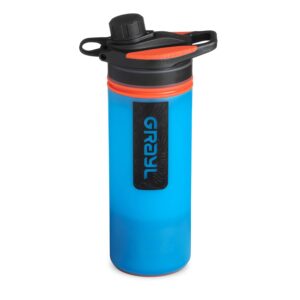
Access to clean water is paramount for survival. While you may carry bottled water, it’s impractical to bring enough for extended periods. A portable water filtration system, such as a filter pump, straw, or purification tablets, allows you to safely drink from natural sources like rivers and lakes. Ensure your chosen system is effective against bacteria, protozoa, and viruses.
Fire-Starting Tools
Matches and Lighters
Fire is crucial for warmth, cooking, and signaling for help. Waterproof matches and reliable lighters are quick and easy ways to start a fire. Store them in a waterproof container to ensure they remain functional in wet conditions.
Firestarters
In challenging weather conditions, firestarters like magnesium blocks, cotton balls soaked in petroleum jelly, or commercial fire starters can help ignite kindling more easily. Practice using these tools to ensure you’re prepared when you need them most.
Multi-Tool
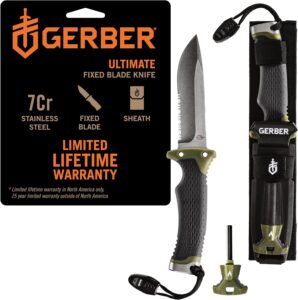
A high-quality multi-tool is a versatile piece of gear that combines several tools into one compact package. Look for a model with a knife, pliers, screwdrivers, scissors, and a can opener. A multi-tool can assist with equipment repairs, food preparation, and a multitude of unexpected tasks.
Shelter and Insulation
Tent or Tarp
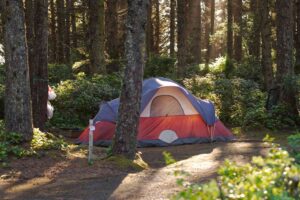
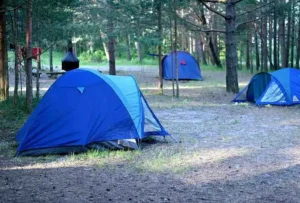
A lightweight, durable tent or tarp is essential for protection against the elements. Choose a shelter appropriate for the season and weather conditions you’ll encounter. Practice setting it up before your trip to ensure a quick and efficient setup in inclement weather.
Sleeping Bag and Pad
A sleeping bag rated for the expected temperatures and a sleeping pad for insulation and comfort are crucial for a restful night’s sleep. Consider the weight and packability of these items, especially for backpacking trips.
Clothing
Layered clothing made of moisture-wicking and quick-drying materials is vital for regulating body temperature and staying comfortable. Pack a waterproof and windproof jacket, a warm hat, gloves, and extra socks. Avoid cotton, as it retains moisture and can lead to hypothermia in cold conditions.
Food Supplies
Bring high-energy, non-perishable food items that are easy to prepare and consume, such as trail mix, energy bars, dried fruits, and jerky. Plan your meals according to the duration of your trip and account for emergencies by packing extra rations.
Signaling Devices
Whistle
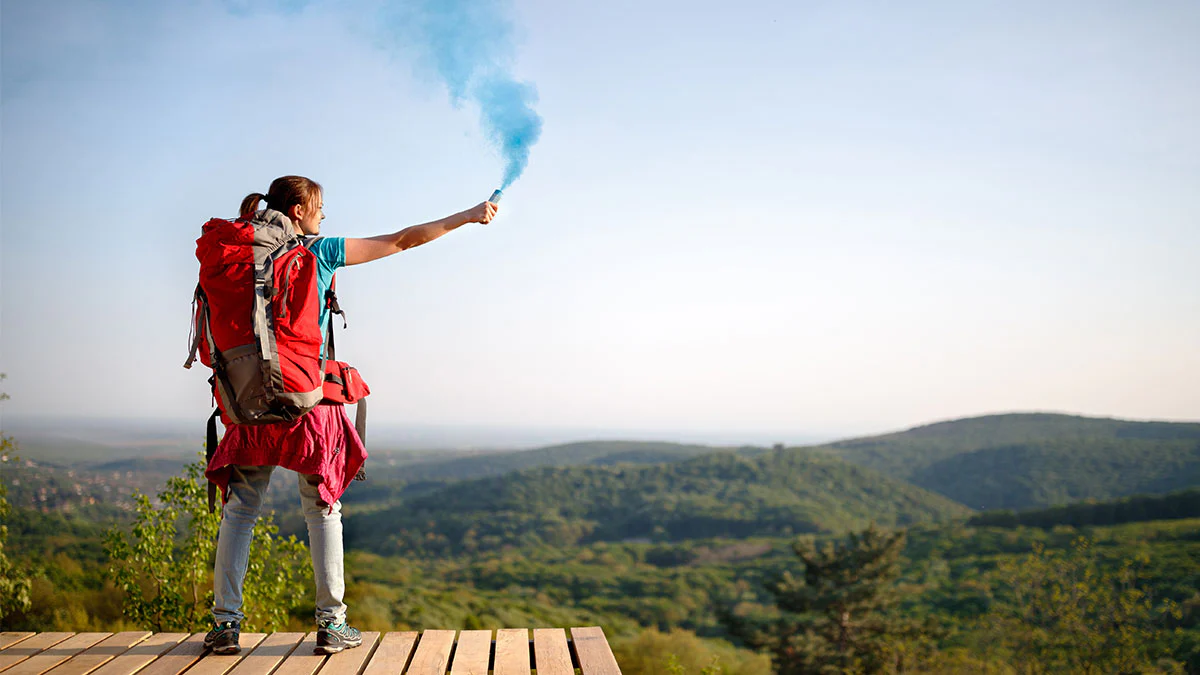
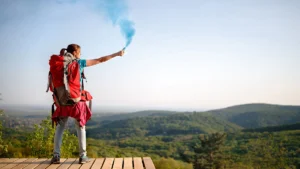
A loud whistle can be heard from a distance and is a simple way to signal for help. Attach it to your backpack or clothing for easy access.
Signal Mirror
A signal mirror can reflect sunlight to catch the attention of rescuers from afar. Practice aiming the mirror to ensure effective use during emergencies.
Flashlight or Headlamp
A flashlight or headlamp is essential for navigating in the dark and signaling for help. Choose an LED model with a long battery life and pack extra batteries or a solar charger.
Communication Device
A two-way radio or satellite phone can be a lifesaver in areas with no cellphone coverage. Familiarize yourself with their operation and ensure they are fully charged before setting out.
Personal Locator Beacon (PLB)
A PLB is a small, portable device that, when activated, sends a distress signal with your location to search and rescue services. It’s a crucial piece of gear for remote adventures where other communication methods may fail.
Conclusion
Preparing for an outdoor adventure involves careful planning and packing essential survival gear. By equipping yourself with the right tools and knowledge, you can enhance your safety, confidence, and enjoyment in the wild. Remember, the most important aspect of survival is preparation. Equip yourself with the essentials, practice using them, and always respect the power and unpredictability of nature.
Whether you’re a seasoned adventurer or a beginner, investing in quality survival gear is an investment in your safety and well-being. So pack wisely, respect the wilderness, and embark on your next outdoor adventure with confidence.

Post Comment